

















Struggling to find the best way to store food for long-term storage? Whether you’re prepping for emergencies, managing a busy household, or running a food business, knowing how to keep your food fresh and safe over months or even years makes a world of difference. In this guide, you’ll discover proven methods tailored for different food types, smart packaging choices, and why selecting the right materials—especially high-quality PE food storage bags—can dramatically extend shelf life. Plus, if you’re interested in buying in bulk, we’ll show you how to save costs without compromising quality with Artfullife’s trusted wholesale solutions. Let’s dive in and explore how to store your food right, the smart way.
The Basics of Long-Term Food Storage
When it comes to long-term food storage, most people wonder how to keep food safe and fresh for months or even years. Simply put, long-term storage means preserving food beyond the typical shelf life—usually several months to multiple years—without significant loss of quality or safety. This is essential whether you’re preparing for emergencies, bulk buying, or just want to minimize frequent trips to the store.
Key Factors Affecting Food Longevity
Several critical factors determine how long your food stays fresh during storage. Understanding each helps you choose the best food storage solutions:
- Moisture: Water is the enemy of long-term storage. Too much moisture can promote mold, bacteria, and spoilage. Keeping food dry is crucial.
- Temperature: Cool temperatures slow down chemical reactions and microbial growth. Ideal storage is typically at or below 70°F, but colder is better for many foods.
- Light: Exposure to light can degrade nutrients and cause food to spoil faster. Store foods in opaque or dark containers and keep them out of direct light.
- Oxygen: Oxygen speeds up spoilage by supporting mold and bacteria growth and oxidizing fats. Using vacuum sealing or oxygen absorbers can greatly extend food life.
- Pests: Rodents, insects, and other pests can ruin food quickly. Airtight, pest-proof containers are necessary to avoid contamination.
Why Choosing the Right Storage Methods Matters
Not all foods have the same storage needs. Using the wrong method can waste time, money, and resources. For example:
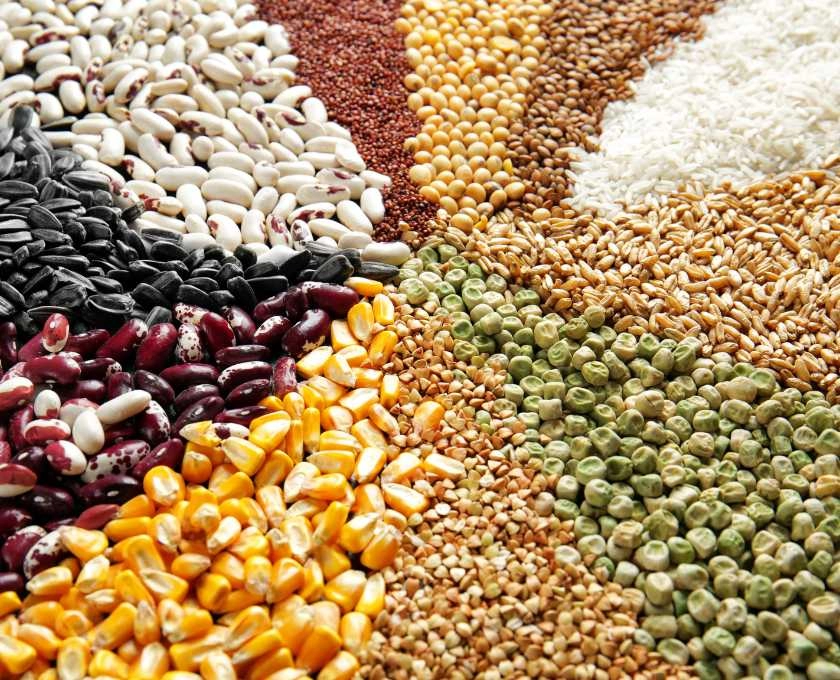
- Dry goods like rice and beans do best in airtight, moisture-resistant containers with oxygen absorbers.
- Frozen foods require proper packaging to prevent freezer burn and spoilage.
- Canned and pickled foods depend on airtight sealing and sterilization to remain safe.
- Sensitive items like herbs and seeds need specialized packaging to protect flavor and viability.
Selecting the right storage method based on the food type ensures maximum freshness, safety, and shelf life. It’s the foundation of any effective long-term food storage plan.
By controlling moisture, temperature, light, oxygen, and pests—and matching the right storage solution to the food—you set yourself up for success in preserving food for months or years. This approach is the backbone of reliable long-term food storage solutions many use nationwide.
Categorizing Foods for Long Term Storage
When planning for long term food storage solutions, it helps to categorize your foods based on their type and storage needs. Different foods require different storage methods to stay fresh and safe for months or even years. Here’s a simple breakdown of common categories:
Dry Goods
These include staples like rice, beans, flour, and sugars. Dry goods are the foundation of long term food storage because they store well when kept dry and airtight. They’re sensitive to moisture and pests, so using airtight containers or vacuum sealing for food storage is key. Dry goods can often last 1 to 5 years if stored properly.
Frozen Foods
This group covers meat, vegetables, and fruits that require freezing to maintain safety and quality. Proper packaging is essential—use freezer safe packaging and double bagging to prevent freezer burn. Label items clearly with dates to track freshness. Frozen foods usually stay good for 6 months to a year but can vary by type.
Canned and Preserved Foods
Cans, jars of pickled vegetables, and pre cooked meals fall here. These foods benefit from commercial sterilization or home canning processes that seal the food against air and bacteria. Proper jar sealing and storage in a cool, dark place keeps them shelf stable for several years.
Specialty Items
This category includes herbs, spices, and seeds. These don’t last as long as staples but are important for flavor and plant growing needs. Store herbs and spices in airtight containers away from light and heat to preserve potency. Seeds need cool, dry, low oxygen conditions to remain viable for planting.
Understanding these categories helps you pick the best containers for food preservation and tailor your storage methods by food type, ensuring you get the longest shelf life out of your supplies.
Best Storage Methods for Each Food Category Long-Term Food Storage Solutions
Dry Goods Storage Tips
Dry goods like rice, beans, flour, and sugar need protection from moisture, oxygen, and pests to last for months or even years. The best method is:
- Vacuum sealing: Removes air to slow down spoilage.
- Oxygen absorber packets: Help keep oxygen levels low inside the package.
- Airtight containers or PE storage bags: Prevent moisture and bugs from getting in.
Using food-grade PE bags for dry goods is a smart choice because they offer a strong moisture barrier, durability, and are BPA-free. These bags work great when combined with oxygen absorbers, locking in freshness for months.
Frozen Foods Storage
Frozen foods like meat, vegetables, and fruits require packaging that prevents freezer burn and keeps odors out. For best results:
- Use freezer-safe packaging designed to withstand low temperatures.
- Double bagging helps add an extra layer of protection.
- Always label packages with contents and dates to keep track of freshness.
Canned and Preserved Foods Storage
Canned and preserved items such as pickled vegetables and pre-cooked meals need careful handling to stay safe and tasty:
- Follow proper sterilization techniques before canning to kill bacteria.
- Ensure tight jar sealing with vacuum lids to prevent contamination.
- Store jars in a cool, dark place to avoid heat and light damage.
Dehydrated and Freeze-Dried Foods Storage
For dehydrated and freeze-dried foods, controlling moisture is crucial to prevent spoilage:
- Use airtight packaging, ideally with vacuum sealing, to keep moisture out.
- Include desiccants or oxygen absorbers inside packaging for extra protection.
- Choose durable PE storage bags that block moisture and light.
Proper packaging here keeps these foods lightweight, ready-to-use, and fresh for long periods.
By matching the right storage method to each food type, you extend shelf life and reduce waste. Whether it’s vacuum sealing dry goods or double bagging frozen items, investing in high-quality PE food storage bags can make all the difference for long-term food storage solutions.
Role of Packaging Materials in Long-Term Food Storage Solutions
Choosing the right packaging materials plays a huge role in how well your food stays fresh over time. Different packaging options like glass jars, metal cans, plastic containers, and PE food storage bags each have their own strengths and weaknesses when it comes to preserving food quality.
Comparison of Packaging Materials
-
Glass Containers
Glass is non-reactive and airtight, making it great for preserving flavor and preventing contamination. However, glass is heavy, breakable, and less practical for large volume or wholesale food storage.
-
Metal Cans
Metal cans offer excellent durability and long shelf life with proper sealing. They protect from light and oxygen effectively but can be bulky. Additionally, cans can sometimes impart a metallic taste if stored too long.
-
Plastic Containers
Rigid plastic containers are lightweight and convenient but may allow moisture and oxygen penetration over time unless they have special coatings or seals. Not all plastics are food-grade or BPA-free, which matters for health-conscious buyers.
-
PE Food Storage Bags
Polyethylene (PE) bags shine for long-term storage because they offer superior moisture barriers, airtight seals, and durability. These bags are lightweight, flexible, and space-saving, ideal for large volume and bulk storage.
Advantages of PE Food Storage Bags for Long-Term Food Storage
- Durability and Tear Resistance: PE bags can withstand handling without punctures, helping keep foods safe from air and pests.
- Food-Grade Safety: They are BPA-free and safe for direct food contact, which is crucial for health and compliance.
- Moisture Barrier: With built-in moisture resistance, PE bags prevent mold and spoilage by keeping humidity out.
- Airtight Sealing: When combined with vacuum sealing or oxygen absorbers, these bags can significantly extend shelf life.
- Lightweight and Space-Efficient: Unlike glass or metal, PE bags conform to food shape and save storage space, perfect for home pantries or retailers.
Why Artfullife’s PE Bags Are Ideal for Wholesale Buyers and Large Volume Storage
Artfullife is a top supplier of food-grade PE food storage bags wholesale made with consistent quality and strict food safety standards. Here’s why they stand out:
- Custom Sizes and Thickness: Tailored options to match your exact storage needs — whether for small batch or bulk-scale food preservation.
- Certified Food Safety Compliance: Artfullife’s bags meet key certifications required in the US market, giving you peace of mind.
- Durability for Large Volume Handling: Designed to handle bulk quantities without ripping or leaking, ideal for families, retailers, and food processors.
- Competitive Pricing for Wholesale Orders: Great value when purchasing in bulk, which helps lower overall food storage costs.
- Customer-Endorsed Quality: Proven reliability backed by positive reviews and case studies from across the US market.
When it comes to long-term food storage solutions that balance food safety, cost, and convenience, Artfullife’s PE bags are a practical and trusted choice for anyone serious about preserving their food stock effectively.
Step by Step Guide to Using PE Food Storage Bags for Long-Term Storage
Using PE food storage bags properly is key to preserving your food’s freshness for months or even years. Here’s a straightforward guide to help you get the best results with these durable, airtight bags — ideal for anyone looking for reliable long-term food storage solutions.
Choose the Right Bag Size and Thickness
- Match the bag size to your food quantity. Don’t use a bag that’s way too big or small for what you’re storing. Proper fit reduces excess air and ensures better sealing.
- Opt for thicker bags for long-term use. Thicker PE bags offer stronger protection against punctures and moisture, making them perfect for bulk storage.
- Consider sizes and thickness options from trusted suppliers like Artfullife, which provide custom-sized PE bags for food packaging tailored to your needs.
Filling and Sealing Methods
- Fill the bags without overstuffing. Leave some space at the top for a proper seal.
- For best preservation, use a vacuum sealing machine to remove air before sealing. This reduces oxygen exposure, which slows down spoilage.
- If you don’t have a vacuum sealer, carefully press out as much air as possible manually before sealing.
- Always check the seal to ensure it is airtight and secure.
Tips for Stacking and Labeling Stored Food
- Stack bags flat and evenly to save space and prevent crushing.
- Use clear, legible labels on each bag noting the food type and date packed.
- Color-coded labels or a simple tracking system can help you manage stock rotation and use foods before they expire.
Storage Environment Recommendations
The surrounding environment impacts how well your stored food holds up. Keep bags in:
- Cool places – Ideal temperatures are below 70°F (21°C).
- Dark areas – Avoid sunlight which can degrade food and packaging.
- Dry spaces – Moisture invites mold and pests, so a dry pantry or storage room works best.
Following these steps will help maintain the quality and safety of your food stored with PE bags, giving you peace of mind whether you’re prepping for emergencies or just reducing grocery trips.
For a complete understanding of the best PE bags and tips on organizing them for long-term storage, check out this useful guide on organizing food storage bags.
Safety and Quality Maintenance Tips for Long-Term Food Storage Bags
Maintaining food safety and quality during long-term storage is crucial—especially when using PE food storage bags or other containers. Here’s how to keep your stored food fresh and safe over months or years.
Check for Bag Integrity and Punctures Regularly
- Inspect your bags before and after sealing. Even tiny holes or tears let in moisture and air, speeding up spoilage.
- Use bags made from durable, puncture-resistant PE material like Artfullife’s, which are designed to handle heavy use without compromising seal integrity.
- Avoid sharp tools or rough handling during filling and storage to minimize damage.
Use Oxygen Absorbers and Desiccants for Enhanced Preservation
- Oxygen absorbers remove leftover air, slowing down oxidation and preventing mold or insect growth.
- Desiccants control moisture inside bags, crucial since humidity is a top factor in food spoilage.
- Always match oxygen absorber size to the bag volume for best results.
- Couple absorbers and desiccants for a double layer of protection, especially for staples like rice, beans, and flour where moisture and oxygen cause loss in quality.
Monitor and Rotate Stock for Freshness
- Label each bag with packing dates clearly to keep track of storage time.
- Practice the First In, First Out (FIFO) system to use older food before newer stock, reducing waste and maintaining freshness.
- Regularly check stored items for signs of spoilage like moisture buildup, discoloration, or off smells.
- If you notice any damaged bags or suspect contamination, safely discard affected food to protect the rest of your stock.
By following these simple but effective safety tips, you ensure your long-term food storage stays fresh, safe, and ready when you need it—making your investment in quality storage bags truly pay off.
Buying Guide for Food Storage Bags Wholesale from Artfullife
When it comes to long-term food storage solutions, choosing the right bags is crucial. Artfullife offers wholesale PE food storage bags that fit the needs of families, retailers, and food processors across the US. Here’s why buying from Artfullife makes sense:
Bulk Purchasing Benefits for Families Retailers and Food Processors
- Cost savings: Buying in bulk lowers the price per bag, making it economical for large-scale storage needs.
- Consistent quality: Wholesale orders ensure you get the same durable, food-safe bags every time.
- Reduced supply hassle: Stocking up means fewer trips to reorder and less chance of running out of storage options.
Custom Sizes and Thickness Options
Food storage needs vary—whether you’re storing dry goods, frozen foods, or dehydrated items. Artfullife provides:
- Varied bag sizes: From small portion bags to extra-large storage bags, you get options that fit your exact needs.
- Thickness choices: Thicker bags offer better protection against punctures and moisture, ideal for long-term storage.
Certifications and Food Safety Compliance
Artfullife PE bags come with:
- Food-grade certifications that meet US standards, assuring safety for direct food contact.
- BPA-free and non-toxic materials to keep your food fresh and uncontaminated.
- Moisture and oxygen barrier properties that extend shelf life and maintain food quality over months or years.
Customer Testimonials and Case Studies
Many US customers—from home storage enthusiasts to commercial food suppliers—have reported:
- Improved food preservation when using Artfullife PE bags with oxygen absorbers.
- Durability and leak-proof sealing that withstand freezer and pantry storage conditions.
- Clear labeling and easy organization, thanks to the variety of sizes and reliable sealing methods.
These real-world experiences highlight why Artfullife stands out as a trusted bulk food storage bags supplier for those focused on quality and value.
Choosing the right wholesale food storage bags with Artfullife means you get durable, safe, and customizable solutions for long-term food storage, helping you preserve food freshness for months while managing storage efficiently.
Environmental Responsibility for Long-Term Food Storage with PE Bags
Using PE food storage bags for long-term food storage is practical, but it’s important to handle their use and disposal sustainably. Being mindful of environmental impact helps keep your storage efforts responsible while still preserving food safely.
Sustainable Use of PE Bags for Food Storage
- Reuse bags when possible: Carefully clean and reuse PE bags to reduce waste, especially thicker, durable bags designed for long-term use.
- Choose the right size and thickness: Avoid excessive use by selecting bags that fit your storage needs — this cuts down on leftover plastic and waste.
- Combine with proper storage techniques: Pair PE bags with vacuum sealing and oxygen absorbers to extend food life efficiently, meaning fewer bags used over time.
Recycling and Eco-friendly Disposal Tips
- Recycle PE bags properly: Many PE bags are recyclable through local plastic film recycling programs. Check with your local waste management for accepted drop-off sites.
- Avoid trash disposal: Don’t throw PE bags in the regular trash to prevent landfill buildup and environmental harm.
- Clean before recycling: Remove any food residue to ensure bags can be processed correctly by recycling facilities.
Innovations in Biodegradable PE Packaging
While traditional PE bags aren’t biodegradable, manufacturers are developing eco-friendlier options such as:
- Biodegradable coatings that break down faster in proper conditions.
- Bio-based PE plastics made partly from renewable resources, reducing reliance on fossil fuels.
- Compostable alternatives designed to degrade more quickly in commercial composters, though these aren’t standard yet for food storage bags.
For now, if you prioritize sustainability, consider using Artfullife’s durable PE bags that minimize waste through reuse and sound food preservation. Combining smart food storage with responsible plastic use reduces your environmental footprint while keeping your food safe and fresh.
In : Sustainable long-term food storage means choosing the right PE bags, reusing and recycling them properly, and staying informed about advancements in biodegradable packaging—helping you protect your food and the planet together.