
















Food Spoilage Causes and Risks
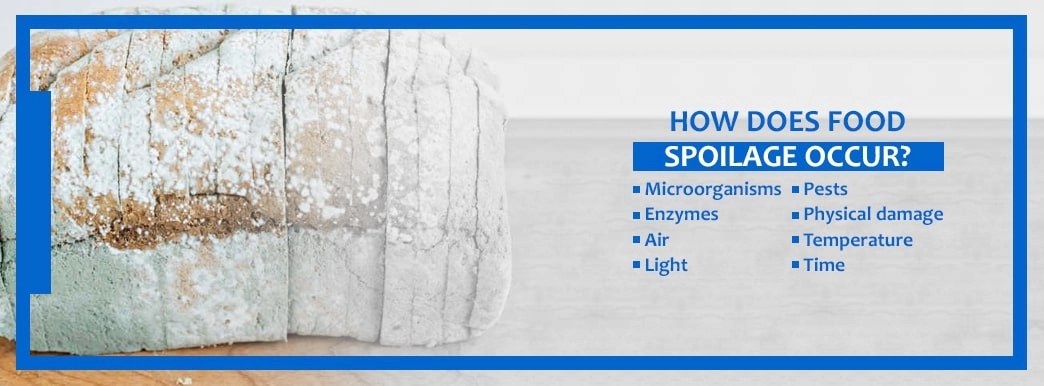
Food spoilage is one of the biggest challenges in food production, storage, and distribution. Without proper food packaging to prevent spoilage, products can lose freshness, safety, and market value before reaching consumers. For businesses in the food supply chain, understanding how and why spoilage happens is key to preventing losses.
Biological Causes of Food Spoilage
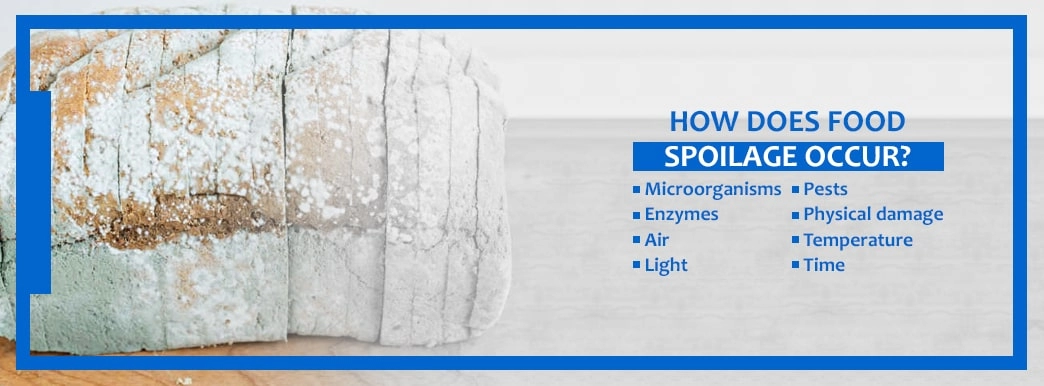
Microorganisms are the leading cause of food deterioration. These include:
- Bacteria – Common strains such as Salmonella, E. coli, and Listeria can multiply rapidly under the wrong storage conditions, causing contamination and foodborne illness.
- Mold and yeast – Thrive in warm, humid environments and are often responsible for visible spoilage in bread, cheese, fruit, and sauces.
- Microbial enzymes – Break down food components, leading to odor, texture changes, and discoloration.
Once microbial activity begins, it is difficult to reverse, which makes early prevention critical.
Chemical Causes of Food Spoilage
Chemical changes in food can also lead to undesirable flavors, colors, and nutritional losses. The most common chemical causes include:
- Oxidation – Reaction between oxygen and fats, vitamins, or pigments that causes rancidity, browning, and nutrient degradation.
- Enzymatic reactions – Natural enzymes in fresh produce continue to act after harvest, causing softening, discoloration, and flavor changes.
- pH imbalance – Shifts in acidity can create conditions where spoilage bacteria thrive.
Chemical spoilage is often slowed by protective barrier packaging for food preservation such as oxygen-blocking films or modified atmosphere packaging.
Physical Causes of Food Spoilage
Even without microbial or chemical activity, physical damage can lead to rapid deterioration:
- Moisture loss – Causes shrinkage, tough texture, and reduced juiciness in meats and produce.
- Physical damage – Bruising, punctures, and crushing during handling expose food surfaces to air and bacteria.
- Temperature fluctuation – Causes condensation, which can encourage mold growth or freezer burn.
Appropriate food packaging materials for shelf life extension can help limit temperature swings, moisture loss, and mechanical stress.
Risks to Food Quality and Consumer Health
Spoiled food is more than an economic loss—it can be a public health risk. Negative impacts include:
- Loss of taste, texture, and appearance – Directly affects customer satisfaction and brand reputation.
- Nutrient breakdown – Reduces the health value of fresh foods.
- Foodborne illnesses – Caused by consuming contaminated products, leading to recalls, legal issues, and significant brand damage.
Businesses that invest in effective preservative packaging films not only protect their products but also safeguard consumer trust and food safety compliance.
Role of Food Packaging in Spoilage Prevention
Barrier Properties That Protect Food
Good food packaging works like a shield. Barrier packaging for food preservation blocks the main elements that speed up spoilage:
- Oxygen – Too much oxygen can lead to oxidation and fast bacterial growth. Oxygen-blocking films help slow this process.
- Moisture – Retaining moisture for fresh produce or preventing moisture for dry goods keeps texture and quality intact.
- Light – Certain foods, like dairy or oils, spoil faster when exposed to light. Light-blocking materials prevent flavor loss and nutrient breakdown.
- Microbes – Food-grade protective layers reduce contact with bacteria, mold, and other contaminants.
Controlling the Food Environment
Modern food packaging doesn’t just wrap food — it manages the atmosphere inside:
- Modified Atmosphere Packaging (MAP) – Adjusts oxygen, carbon dioxide, and nitrogen levels to slow microbial growth.
- Vacuum Packaging – Removes air completely to minimize oxidation and bacterial activity.
Both methods are common in fresh meat, seafood, and produce packaging because they extend freshness without heavy chemical preservatives.
Physical Protection and Tamper Evidence
Beyond freshness, packaging keeps products safe during storage and transport. This includes:
- Impact resistance to avoid bruising or crushing
- Seal integrity that locks out contaminants
- Tamper-evident features so buyers know the food hasn’t been opened or altered before purchase
Shelf Life Extension and Waste Reduction
By controlling airflow, blocking moisture, and creating stable conditions, food spoilage prevention packaging helps:
- Extend the life of perishable items by days or even weeks
- Maintain flavor, texture, and color
- Reduce food waste in stores, restaurants, and homes
In the U.S. market, where food safety and freshness are top priorities, choosing the right preservative packaging films is key for businesses that want to deliver products at peak quality while minimizing losses.
Types of Food Packaging to Prevent Spoilage
When it comes to food spoilage prevention packaging, each type of material and technology has its own strengths. The right choice depends on the product, storage needs, and shelf life goals.
Conventional Packaging Materials
These are widely used for everyday food preservation:
- Plastic films – Flexible, moisture-resistant, affordable. Common for snacks, produce, and frozen foods.
- Glass – Airtight, non-reactive, great for long-term storage of sauces, beverages, and pickled goods.
- Metal cans – Excellent light and oxygen barrier, ideal for canned foods and drinks.
- Paper and cardboard – Used for dry goods; often coated or laminated for better moisture resistance.
Advanced Preservative Films
Preservative packaging films are designed to actively protect food by controlling oxygen and moisture levels.
- Maintain freshness longer than standard wraps.
- Can be paired with vacuum sealing or modified atmosphere packaging for extra protection.
- Often thinner but more effective than basic plastic films, which saves on storage space and shipping costs.
Active and Intelligent Packaging Technologies
These take packaging a step further by interacting with the food or providing useful information.
- Active packaging – Includes oxygen absorbers, antimicrobial layers, or moisture control pads.
- Intelligent packaging – Freshness indicators, time-temperature sensors, or color-changing labels that alert users to spoilage risk.
Comparison of Packaging Types for Spoilage Control
| Packaging Type | Barrier to Oxygen | Moisture Protection | Light Protection | Shelf Life Extension | Typical Use Cases |
|---|---|---|---|---|---|
| Plastic Films | Medium to High | High | Low to Medium | Short to Medium | Produce, bakery, frozen foods |
| Glass | High | High | High | Long | Sauces, beverages, pickles |
| Metal Cans | High | High | High | Long | Canned vegetables, meat, fish |
| Paper/Cardboard | Low | Low to Medium | Low | Short | Dry goods, cereals |
| Preservative Films | High | High | Medium | Medium to Long | Fresh produce, meat, dairy |
| Active Packaging | High | High | Medium to High | Medium to Long | Fresh meat, ready meals |
| Intelligent Packaging | Varies | Varies | Varies | Dependent on base material | Perishables with freshness tracking |
Key takeaway for U.S. buyers: If you’re selling fresh produce, meat, or dairy, advanced preservative films or active packaging will almost always beat standard plastic wrap for keeping quality high and reducing waste. These solutions are especially useful for cross-country shipping or wholesale distribution where freshness is critical.
Features of Effective Preservative Films by Artfullife
When it comes to food packaging to prevent spoilage, not all films are created equal. Artfullife’s preservative films are designed with the U.S. food industry in mind, focusing on extending shelf life, keeping food safe, and reducing waste. Here’s what makes them stand out:
Material Composition and Protective Qualities
- High-quality food-grade materials meet both U.S. FDA and international safety standards.
- Multi-layer structure for maximum durability and sealing strength.
- Designed to lock in freshness and flavor while protecting against external contaminants.
Oxygen and Moisture Barrier Strength
- Oxygen transmission rate (OTR) and moisture vapor transmission rate (MVTR) are optimized to slow oxidation and mold growth.
- Ideal for environments where temperature changes and humidity can speed up spoilage.
- Keeps produce crisp, meat fresh, and dairy from souring too quickly.
| Barrier Property | Artfullife Preservative Films | Industry Standard |
|---|---|---|
| Oxygen Barrier Rating | High | Medium |
| Moisture Barrier Rating | High | Medium |
| Temperature Resistance | -20°F to 212°F | 0°F to 180°F |
Compatibility with Different Food Types
Artfullife packages are designed to work across various U.S. food segments:
- Fresh produce – Maintains firmness, slows browning, and prevents mold.
- Meat and seafood – Reduces oxidation, prevents freezer burn, and locks in natural juices.
- Dairy – Protects against odor absorption and slows microbial growth.
Eco Friendly and Sustainable Packaging Solutions
- Available in biodegradable and recyclable options to meet sustainability goals.
- Reduced plastic weight without sacrificing barrier strength.
- Supports eco-conscious U.S. retailers and brands looking to cut environmental impact.
Why These Features Matter for U.S. Buyers
- Longer shelf life means less food waste and higher profits.
- Consistent quality helps maintain brand reputation with customers.
- Meets growing consumer demand for sustainable, food-safe packaging.
Innovations in Food Packaging Technology
Food packaging has evolved far beyond simple wrapping. New materials and designs now work actively to slow spoilage, maintain freshness, and meet consumer demand for safer, greener, and smarter options. Here’s a look at the key innovations and how Artfullife incorporates them into its preservative film lines for the U.S. market.
Nanotechnology and Antimicrobial Films
Nanotechnology lets manufacturers create films with microscopic particles that deliver big results:
- Antimicrobial coatings help stop bacteria, mold, and yeast before they spread.
- Improved gas barrier layers keep oxygen out and seal in flavor.
- Targeted release of natural preservatives for steady protection during storage and transport.
For U.S. buyers handling fresh produce, meats, or seafood, this means longer shelf life without relying heavily on chemical additives.
Biodegradable and Compostable Preservative Films
With more U.S. states pushing for eco-conscious packaging, biodegradable films are in high demand.
- Made from plant-based polymers or compostable blends.
- Maintain strong barrier protection while breaking down in approved composting conditions.
- Reduce landfill waste and help meet sustainability goals without compromising food safety.
Artfullife’s eco-series films combine moisture and oxygen resistance with verified compostability—ideal for grocery chains, fresh markets, and meal service operations.
Smart Packaging Indicators for Freshness
Smart packaging now helps both retailers and consumers judge product quality at a glance.
- Time-temperature indicators show if food has been exposed to unsafe conditions.
- Freshness sensors detect gas changes that signal spoilage.
- Color-changing labels for quick identification on store shelves.
These features help minimize food waste by letting products stay in circulation while they’re still safe and fresh.
How Artfullife Integrates These Technologies
As a leading preservative packaging film manufacturer in China, Artfullife offers wholesale buyers in the U.S.:
- Custom antimicrobial layers for high-risk products.
- Sustainably sourced, compostable options that pass both Chinese and U.S. food-grade standards.
- Smart film integration with compatible label and sensor technology for real-time freshness tracking.
- Scalable production for bulk orders, ensuring consistent quality for supermarket, processor, and distributor needs.
Artfullife’s approach combines solid preservation performance, regulatory compliance, and adaptability—important for U.S. businesses balancing safety, sustainability, and cost efficiency.
Choosing the Right Food Packaging to Prevent Spoilage
When it comes to food spoilage prevention packaging, there isn’t a one-size-fits-all solution. The right choice depends on what you’re packing, where it’s stored, and how long it needs to stay fresh. At Artfullife, we help wholesale buyers in the U.S. pair the right preservative films with their products so they last longer, look better, and meet safety standards.
Evaluate Your Product and Storage Needs
Different foods react differently to air, light, and moisture. Matching the right packaging to your product is the first step:
- Fresh produce – Needs breathable yet protective films, often with moisture control to stop wilting or mold growth.
- Meat and seafood – Benefit from vacuum or barrier packaging to block oxygen and slow bacteria growth.
- Dairy products – Require strong moisture and light barriers to preserve freshness and flavor.
- Baked goods – Do well with films that prevent staling while controlling humidity.
Also consider:
- Storage temperature (room, chilled, frozen)
- Transportation conditions (humidity, handling risks)
- Expected shelf life (short-term vs. long-term storage)
Balance Cost and Scalability for Wholesale
Wholesale buyers need cost-effective packaging that also performs. Artfullife’s preservative films are designed for:
- Bulk orders at competitive pricing.
- Consistent quality across large production runs.
- Custom sizing to reduce waste and fit packaging lines.
Choosing higher-performance films often means longer shelf life, which reduces food waste and offsets packaging cost over time.
Case Study Successful Applications in the U.S.
Client: A California-based fresh berry distributor
Challenge: Berries spoiled within 4–5 days in regular plastic clamshells, leading to losses in transit.
Solution: Switched to Artfullife high-barrier breathable preservative films with moisture venting and UV light protection.
Result: Shelf life extended to 8–9 days, waste reduced by 40%, and customer complaints dropped significantly.
Another example is a Midwest cheese producer who adopted Artfullife oxygen-impermeable preservative packaging. The change cut returns from spoiled goods in half while keeping flavor intact for over 30 days in retail displays.
Regulatory Compliance and Food Safety Standards in Food Packaging

When it comes to food spoilage prevention packaging, meeting both U.S. and international standards is non‑negotiable. If the packaging has any risk of contaminating the food, it not only shortens shelf life but also creates safety concerns. Artfullife, as a leading China preservative films wholesale factory, follows strict compliance rules to ensure products meet the requirements of major global markets, including the United States.
Chinese and International Food Packaging Regulations
Artfullife’s food grade preservative films are manufactured under guidelines that align with:
- GB standards (China) – These national standards cover material safety, production processes, and migration limits to prevent harmful chemical transfer to food.
- FDA (United States) – Compliance with the U.S. Food and Drug Administration ensures the films are safe for direct contact with food products sold in the American market.
- EU Framework Regulation (Europe) – For global buyers, Artfullife meets Regulation (EC) No 1935/2004 for materials intended to contact food.
Certifications Ensuring Product Safety and Quality
Artfullife holds multiple certifications to back up quality claims:
- ISO 9001 – Quality management across production
- ISO 22000 – Food safety management compliance
- FDA Food Contact Approval – Valid for U.S. import and retail
- SGS Testing Reports – Verification of barrier properties like oxygen and moisture control
Importance of Food Grade Materials in Preservative Films
The choice of raw materials makes a big difference in both shelf life extension and safety:
- Non-toxic and BPA-free materials – Avoids chemicals that can migrate into food
- High barrier resins – Keep oxygen, moisture, and microbes out
- Heat and cold stability – Works equally well in chilled, frozen, or ambient storage
- No strong odors or flavors – Ensures packaging never taints food taste or smell
By following these strict food packaging safety standards, Artfullife delivers preservative packaging films that U.S. food producers, distributors, and retailers can confidently use for fresh produce, meat, dairy, or ready-to-eat foods without risk to consumer health.
How to Order Wholesale Preservative Films from Artfullife
Ordering Process Overview
Buying preservative packaging films wholesale from Artfullife is simple and straightforward. We work directly with U.S. food manufacturers, distributors, and packaging suppliers to make sure orders are handled efficiently from start to finish. Here’s how it works:
- Step 1 – Consultation: Share your food type, storage needs, and shelf life goals. We’ll recommend the best food-grade preservative films for your product.
- Step 2 – Quotation and Samples: Get a clear wholesale price quote and request samples to test the barrier performance for oxygen, moisture, or microbial protection.
- Step 3 – Order Confirmation: Approve the specs, confirm quantity, and sign off on lead times.
- Step 4 – Production: Films are manufactured to your agreed specs, whether standard sizes or custom rolls/sheets.
- Step 5 – Logistics: We arrange international shipping, with sea or air freight options for U.S. buyers.
Customization Options and Minimum Orders
Artfullife understands the U.S. market often needs flexibility in film performance and branding. We can customize:
- Film thickness and barrier strength
- Roll widths and pre-cut sizes
- Printing and labeling for branding or compliance
- Special formulations for MAP (Modified Atmosphere Packaging) or anti-microbial use
- Eco-friendly or compostable material options
Minimum Order Quantity (MOQ): Typically 500–1,000 kg per order, depending on film type. We can discuss smaller trial runs for new product launches or seasonal items.
Customer Support and International Logistics
We work closely with U.S. buyers to make importing easy. Our dedicated export team manages documentation, shipping schedules, and customs clearance support.
- Communication: U.S. business hours via email, phone, or video call
- Shipping Options: FOB, CIF, or door-to-door delivery
- Packaging for Transport: Damage-resistant wrapping and palletizing
- Tracking: Real-time shipment updates until delivery
Tip for U.S. Businesses: If you work with tight launch dates or high seasonal demand, order at least 6–8 weeks ahead to allow for production and shipping from China.