
















If you’re still relying on traditional PVC wrap in 2025, you’re already behind the curve.
Retailers, food brands, and even neighborhood supermarkets are quietly shifting to plasticizer free cling film—and not just to look “green.” They’re doing it to stay compliant with tightening food packaging regulations, avoid headlines about chemical migration, and meet customers who now expect non-toxic, phthalate-free food wrap as a basic standard.
In this guide, you’ll see why plasticizer free cling film—especially modern PE cling film—is becoming the new norm on supermarket shelves and in back-of-house prep areas. You’ll learn how this trend affects compliance, cost, and customer trust, and how suppliers like Artfullife® are helping retailers switch without sacrificing clarity, cling, or performance.
If you want your packaging to be safer, regulation-proof, and ready for the next decade of eco-friendly supermarket packaging, keep reading.
Understanding Plasticizers in Cling Film
Traditional PVC cling film doesn’t stretch and cling on its own. It relies on plasticizers—chemical additives like phthalates and DEHA (diethylhexyl adipate)—to stay soft, flexible, and sticky. These plasticizers are what make conventional wrap hug a tray of meat or a stack of cheese slices so easily.
The problem? Those same chemicals don’t stay locked in the film.
The Hidden Health Risks of Plasticizers
When PVC cling film is in contact with fatty or oily foods—like meat, cheese, deli items, or baked goods—plasticizers can migrate from the film into the food. Decades of research and regulatory reviews have raised serious red flags:
- Endocrine disruption: Certain phthalates are linked to hormone disruption, developmental issues, and reproductive concerns.
- Chemical leaching: Lab studies show measurable migration of DEHA and phthalates from PVC films into foods, especially at higher temperatures or long storage times.
- Regulatory scrutiny:
- The FDA and EU authorities have issued strict limits and guidance on specific plasticizers in food-contact materials.
- Some phthalates are already restricted or banned in food packaging and children’s products due to safety concerns.
If you’re a retailer, food brand, or foodservice operator, you’re increasingly expected to prove your packaging won’t introduce unnecessary chemical risks into the food chain.
Environmental Impact: Plasticizers and PVC Don’t Go Away
Beyond health concerns, plasticizer-laden PVC cling film is a growing environmental headache:
- Non-biodegradable: It lingers in landfills and the environment for decades.
- Microplastic pollution: As it breaks down, it contributes to microplastics in soil and water.
- Difficult to recycle: PVC with plasticizers is harder and more expensive to recycle than simpler plastics like PE (polyethylene).
- Regulatory phase-out:
- The EU has moved aggressively to phase out certain plasticizers and PVC uses in packaging.
- These bans are accelerating a global shift away from traditional PVC cling wrap.
Simply put: plasticizer-heavy cling film is out of step with how regulators, consumers, and major retailers see the future of packaging.
Why the Shift Is Happening Now
So why is plasticizer-free cling film suddenly on everyone’s radar?
- Post-pandemic awareness: Consumers are far more conscious about what touches their food and how it’s packaged.
- 2025 regulatory updates: Upcoming rules in the US and globally are tightening standards on chemicals in food-contact plastic, putting PVC and plasticizers under the microscope.
- Retailer scrutiny: Major US retailers are actively reviewing packaging specs, demanding:
- Phthalate-free food wrap
- BPA-free and non-toxic plastic alternatives
- Verifiable regulatory compliance and safer material choices
For operators who want to stay ahead of compliance, protect their brand, and align with eco-friendly supermarket packaging trends, moving away from plasticized PVC cling film toward plasticizer-free PE cling film is no longer a “nice-to-have”—it’s becoming the new baseline.
Plasticizer Free Cling Film Trend: What’s Powering the Shift?
Consumer Demand Is Driving the Change
In the U.S., shoppers are flat-out rethinking food packaging. Recent surveys show nearly 70% of consumers now prioritize “clean label” and non-toxic food wrap, and that’s showing up at the shelf: eco-wrap and phthalate-free food wrap sales are growing around 15% year over year in many grocery and club stores. People want:
- No phthalates, no DEHA, no BPA near their food
- Simple, understandable materials like PE (polyethylene)
- Eco-friendly supermarket packaging that matches their values
For retailers, this isn’t a niche trend anymore—it’s becoming the default expectation, especially in urban and suburban markets where eco-conscious shopper behavior is already reshaping buying patterns.
Cling Film Regulations 2025–2030: The New Rulebook
Regulators are pushing plasticizer-heavy films out of the food space:
- EU Regulation 10/2011: Tight limits on which additives can contact food, plus strict migration limits—phthalate-heavy PVC wraps are on borrowed time.
- US FDA: Already restricts several phthalates and sets limits for materials touching fatty foods, pushing brands toward phthalate-free food wrap and safer polymers like PE.
- California and other states: Moving ahead with targeted bans and chemical disclosure rules that make traditional PVC food wrap a regulatory headache.
Most of these rules tighten through 2025–2030, so brands that shift to plasticizer-free PE cling film now will be ahead of enforcement instead of scrambling later.
Innovation Spotlight: Better Non-Toxic Plastic Alternatives
The switch away from plasticizers has actually sped up material innovation. R&D teams globally are pouring effort into:
- PE cling film: Food-grade, plasticizer-free, strong clarity, and widely recyclable
- PLA and compostable hybrids: For brands chasing zero-waste cling solutions in select categories
- PVOH and specialty blends: For water-soluble or niche barrier applications
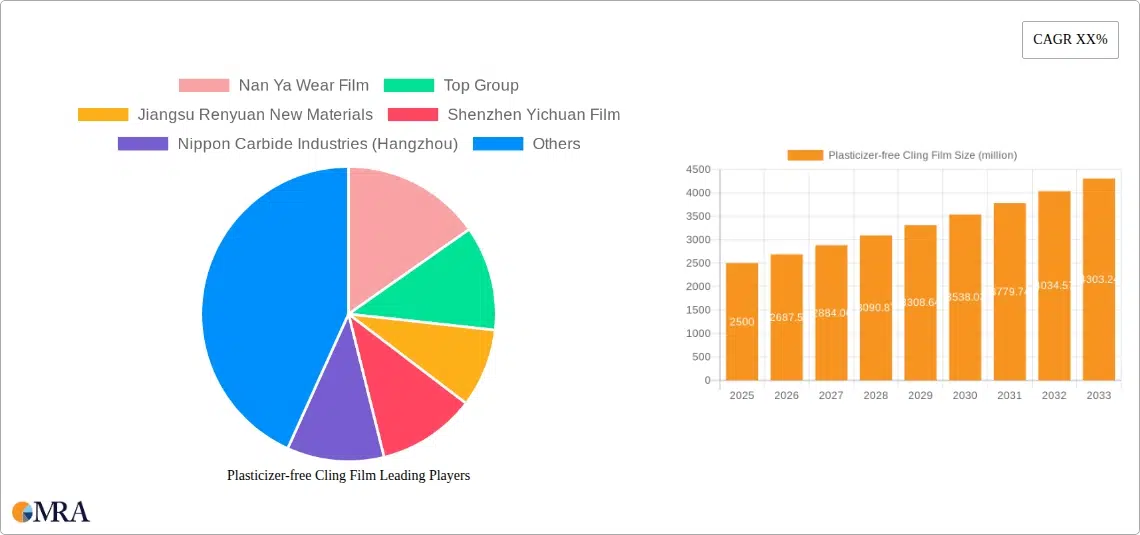
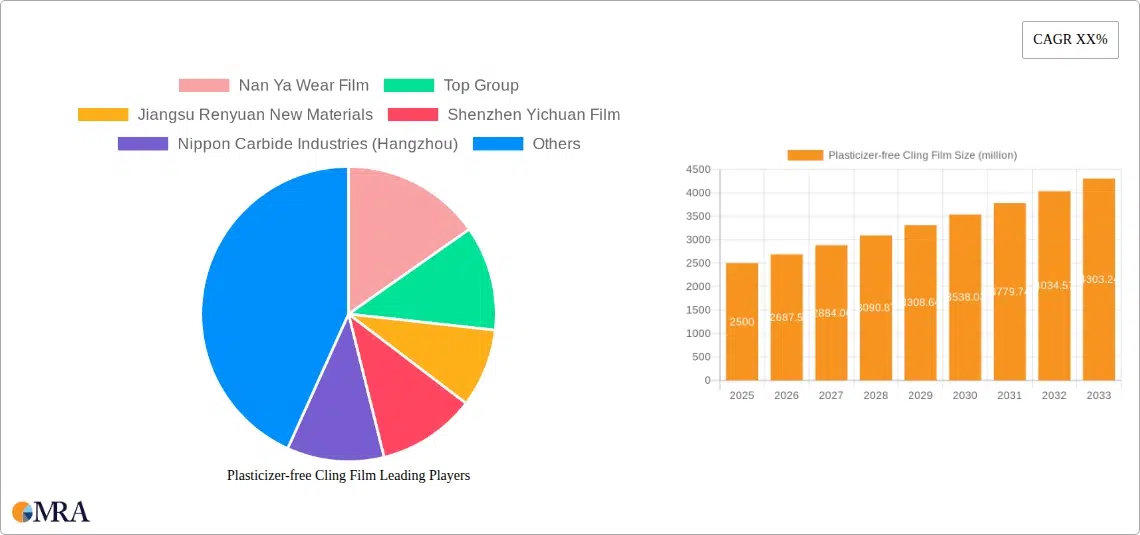
Market forecasts through 2025 point to steady double-digit growth in plasticizer-free films, especially in PE cling film that balances safety, performance, and cost. If you’re tracking packaging shifts, it sits squarely inside the bigger wave of sustainable packaging trends for 2025.
U.S. Regional Momentum: Where Plasticizer-Free Leads
We’re seeing faster adoption of plasticizer-free cling film in:
- Major metros and coastal states (California, New York, Washington, Oregon): Strong “green retail” culture and tougher local rules
- Large grocery chains and warehouse clubs: Swapping to PE cling film chain-wide to cut compliance risk and align with ESG goals
- Urban health-focused neighborhoods: Higher demand for chemical-free produce wrapping and BPA-free kitchen wraps
In short, the plasticizer free cling film trend is not a future idea—it’s already shaping how U.S. retailers, food brands, and foodservice operators choose their next food wrap supplier.
Industry Applications: Where Plasticizer-Free Cling Film Excels
Supermarket & Retail: Better Wrap, Less Waste, Lower Costs
In U.S. supermarkets, plasticizer-free PE cling film is quickly replacing traditional PVC wrap for fresh produce, meat, deli, and bakery. It’s food-safe, phthalate-free, and doesn’t carry the same plastic migration risks into fatty foods.
Key wins for grocery and retail operators:
- Stronger shelf appeal: High clarity and gloss make produce and meat cases look fresher and better stocked.
- Less shrink and waste: Tighter cling helps cut dehydration and leak issues, reducing markdowns and throwaways.
- Cost control: PE cling film runs efficiently on manual and automatic wrapping machines, cutting rewrap labor and film usage.
One regional grocery chain we work with swapped to Artfullife® PE rolls and cut total wrap-related costs by double digits through fewer breaks, less rewrapping, and improved product life in the case. For teams comparing materials, this pairs well with guidance in our breakdown on how to choose the right cling film material (pros and cons of different materials).
Food Service & Commercial Kitchens: High-Volume, Toxin-Free Performance
Restaurants, hotels, caterers, and institutional kitchens need a safe, reliable, freezer-ready wrap that keeps pace with high-volume prep. Plasticizer-free PE cling film fits perfectly:
- Safe for back-of-house: No phthalates, no DEHA, no plasticizer worries around hot or fatty foods.
- Freezer-safe and flexible: Stays clingy and easy to handle from cold storage to line prep.
- Fast workflow: Consistent tear and stretch speeds up wrapping pans, hotel trays, and ingredient bins.
In a real-world example, a restaurant group cut food waste dramatically after standardizing their wrap and storage program; the same approach to professional kitchen cling film usage is covered in detail in our guide to cling film for professional kitchens.
Industrial & Medical: Clean, Strong, Recyclable
Outside food, plasticizer-free PE film is gaining ground in industrial and medical applications where safety and recyclability matter:
- Palletizing & logistics: Strong stretch and cling for bundling boxes, securing mixed pallets, and protecting goods during transport.
- Medical & clean environments: Suitable for outer sterile packaging where low migration and clean surfaces are critical.
- Better end-of-life: PE is widely recyclable where streams exist, making it more aligned with corporate sustainability targets than PVC film.
For U.S. manufacturers and healthcare distributors, this shift supports ESG goals without giving up the barrier and protection performance they rely on.
Artfullife® Integration: Built for Retail Operations
As a U.S.-focused supplier to supermarkets and retail chains, I’ve built Artfullife® plasticizer-free PE cling film around real store operations, not lab conditions.
Our PE rolls can be customized to match your exact setup:
- Roll specs: Common widths for meat, produce, and deli stations, plus jumbo rolls for central kitchens.
- Thickness options: From thin, cost-effective gauges for light wraps to heavier gauges for bone-in meats and leak-prone items.
- Cling strength tuning: Engineered LLDPE blends for strong cling without messy over-tack, so film grips trays and containers but still dispenses smoothly.
We design our rolls to drop right into your existing cutters and dispensers, keeping changeover simple while moving your stores toward safer, non-toxic, and regulation-ready packaging.
Safety First: Proven Benefits of Plasticizer-Free Cling Film
When it comes to food wrap, I care about one thing first: safety. That’s why we focus on plasticizer-free PE cling film instead of traditional PVC wraps loaded with phthalates and DEHA.
Health Safeguards: No Plasticizer Migration
Traditional PVC film needs plasticizers to stay soft and stretchy. PE cling film doesn’t, so there’s nothing to “leach out” into your food.
Why plasticizer‑free matters:
- No phthalates or DEHA migration into oily or fatty foods
- Aligned with FDA food-contact requirements for polyethylene
- Lower risk of endocrine disruption and long-term exposure issues
- Ideal for supermarkets, meal prep, and restaurants that want truly non-toxic plastic alternatives
In lab leach tests, PE cling film consistently shows negligible migration compared with PVC when used on cheese, meat, and other high-fat foods.
Performance: Matching (or Beating) PVC
You don’t have to sacrifice performance to ditch plasticizers. Modern PE and LLDPE blends are built to perform.
Key performance points:
- Clarity: High-transparency PE keeps produce and meat looking fresh on the shelf
- Stretch: Up to 200% stretch for tight, secure wrapping
- Oxygen barrier: Strong enough for everyday retail and food-service use
- Cling strength: LLDPE blends cling well without “gluey” additives
There’s a common myth that PE doesn’t cling as well as PVC. With the right film formulation and gauge, cling strength is more than enough for supermarket and kitchen operations.
Sustainability Edge: Lower Carbon, More Recycling
Plasticizer-free PE cling film is the cleaner choice for both people and the planet.
Sustainability advantages:
- Around 30% lower carbon footprint vs. PVC over the full life cycle
- Easier to recycle in existing PE/LLDPE streams
- No plasticizers means fewer chemical additives entering the waste stream
- Fits better with zero-waste and circular packaging programs
For businesses pushing eco-friendly supermarket packaging or green retail trends, PE cling film is the obvious upgrade.
Cost-Benefit: Fast ROI, Less Risk
Switching to plasticizer-free cling film isn’t just a safety upgrade—it’s a financial one.
Where you win on cost:
- ROI in roughly 6–12 months for most supermarkets and food processors
- Fewer risks of product recalls tied to chemical migration or compliance issues
- Reduced liability exposure as regulations tighten on phthalates and other plasticizers
- Savings when you source in bulk and standardize roll sizes across locations
If you’re planning a broader shift to sustainable packaging, it helps to align your film switch with bulk purchasing strategies so you lock in lower unit costs and smoother replenishment. We’ve broken down how to do that in detail in our guide on lowering costs with bulk sustainable packaging.
Bottom line: Plasticizer-free PE cling film delivers safer food contact, solid performance, a cleaner footprint, and a payback timeline that actually makes sense for U.S. supermarkets, chains, and food brands.
Artfullife®: Your Partner in Plasticizer-Free Cling Film Excellence
US-Based, Retail-Focused, Plasticizer-Free
At Artfullife®, I focus on one
Future-Proofing With the Plasticizer-Free Cling Film Trend
Switching to plasticizer-free PE cling film isn’t just a “green move” anymore—it’s a risk-management and profitability decision. Here’s how I’d future-proof a U.S. retail or food operation starting today.
Simple Adoption Roadmap
If you’re still using PVC or mixed films, this is the practical path I recommend:
-
Inventory Assessment (2–4 weeks)
- Map where cling film is used: deli, produce, meat, bakery, back-of-house, commissary, warehouse.
- List specs and volumes: roll sizes, thickness, dispenser types, monthly usage.
- Flag risk areas: hot foods, fatty foods, long-storage items, kid-focused products.
-
Pilot Trials (4–8 weeks)
- Pick 1–2 locations or departments for a controlled test.
- Standardize the trial:
- Same food types
- Same storage times
- Same dispensers or wrap machines
- Track KPIs:
- Food waste reduction (spoilage, shrink)
- Breakage/tears per roll
- Wrap time per tray