
















What is a Ziplock Bag?
Definition and Evolution of Reclosable Packaging
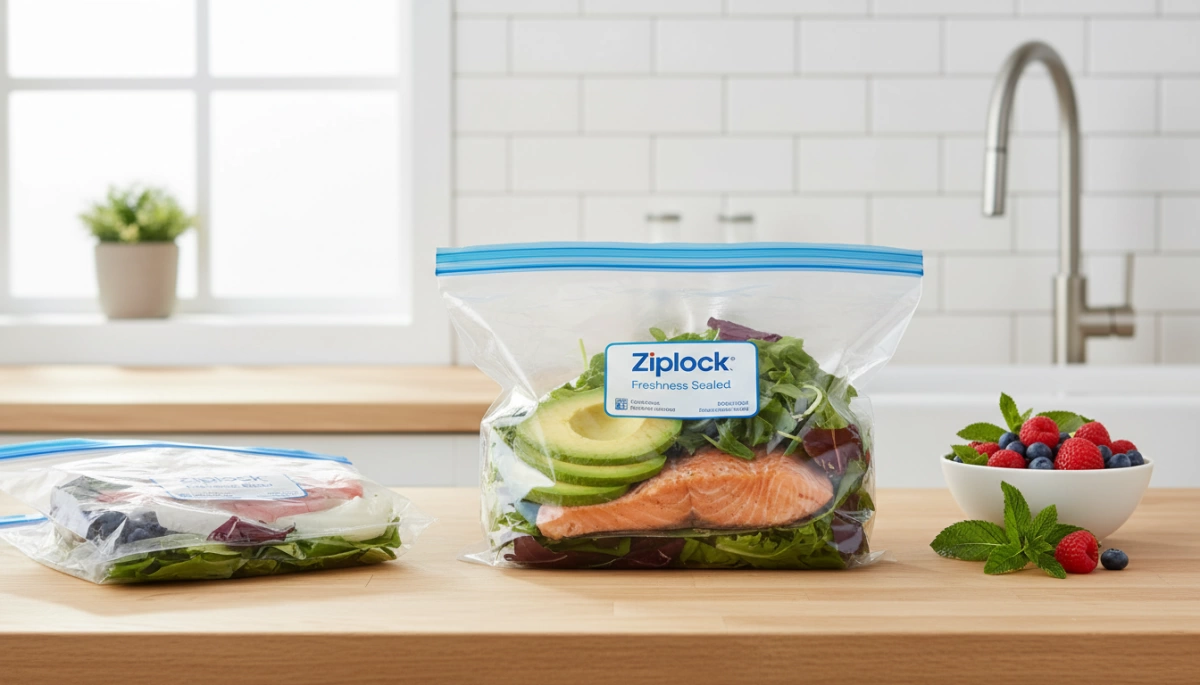
A ziplock bag is a type of flexible packaging designed with a re-closable opening, allowing for repeated access while maintaining the integrity of the contents. Originally defined by simple plastic storage, the industry has undergone a significant evolution toward sustainable packaging solutions. Modern resealable bags have transitioned from traditional single-use polymers to advanced, eco-friendly materials.
At the forefront of this shift, we utilize PLA (Polylactic Acid), PBAT, and Kraft paper to create bags that offer high-barrier performance comparable to conventional plastic. This evolution addresses the critical need for contamination control and shelf-life extension while ensuring the end-of-life product is fully compostable. These bags are no longer just storage vessels; they are engineered solutions certified by BPI and TUV to break down into water, CO2, and biomass, meeting strict EN13432 and ASTM D6400 standards.
How the Ziplock Sealing Mechanism Works
The core functionality of a ziplock bag lies in its interlocking track system. This mechanism typically consists of two plastic strips—one with a protruding profile and the other with a channel—that snap together to create a secure seal. This design is essential for providing moisture resistance and preventing air exchange, which preserves the freshness of food, coffee, or organic products.
In our sustainable product line, this mechanism is reimagined using compostable zippers. These closures provide the same reliable resealability as traditional resealable packaging but are manufactured from biodegradable polymers. Whether applied to stand-up pouches or flat bags, the sealing mechanism ensures that the package remains airtight and durable, effectively protecting the contents from external elements while aligning with environmental responsibility.
Common Materials Used in Ziplock Bag Manufacturing

When we look at the composition of resealable packaging, the industry is generally divided between traditional fossil-fuel plastics and the modern sustainable alternatives we champion. Understanding these materials helps in selecting the right barrier properties for your specific application.
Polyethylene Variants (LDPE, HDPE, and LLDPE)
The vast majority of standard plastic bags are derived from polyethylene due to its versatility and low cost.
- Low-Density Polyethylene (LDPE): This is the industry standard for everyday ziplock bags. It is highly flexible, transparent, and safe for food contact.
- High-density polyethylene (HDPE): Known for its strength and stiffness, High-density polyethylene (HDPE) offers excellent temperature resistance and tensile strength, making it suitable for heavier loads, though it is less transparent than LDPE.
- Linear low-density polyethylene (LLDPE): We often see Linear low-density polyethylene (LLDPE) used when puncture resistance is a priority. It allows for a thinner gauge without sacrificing durability, ideal for preventing tears in retail environments.
Polypropylene (PP) for High Clarity
For retail display where visual appeal is critical, Polypropylene (PP) is the material of choice. Unlike the softer polyethylene variants, PP is stiff and possesses exceptional clarity. This material is frequently used for hanging retail bags because it holds its shape well on the shelf and provides a premium look, allowing consumers to see the product inside without distortion.
Specialty Materials: Mylar and Biodegradable Options
While traditional Mylar (foil laminates) has been the go-to for moisture resistance and light blocking, the industry is shifting toward sustainable innovation. At our facility, we focus on replacing these conventional plastics with high-performance, compostable materials that do not compromise on shelf life.
Our Sustainable Material Breakdown:
| Material | Source | Key Feature |
|---|---|---|
| PLA (Polylactic Acid) | Cornstarch/Sugarcane | Bio-based rigidity and clarity. |
| PBAT | Biodegradable Polymer | Provides flexibility and toughness similar to LDPE. |
| NK & NKME | Wood-pulp Cellulose | Excellent oxygen and moisture barrier, replacing traditional plastic films. |
| Kraft Paper | Sustainable Wood Pulp | Natural look with high durability for outer layers. |
These materials are engineered to provide contamination control and barrier protection comparable to traditional plastics, but with the added benefit of being fully compostable, breaking down into water, CO2, and biomass.
Key Features and Advantages of Ziplock Bags
Airtight Sealing for Preservation
The primary job of any quality packaging is keeping the outside world out. Our bags utilize advanced materials like NK and NKME cellulose films to provide high-barrier performance. This ensures excellent moisture resistance and blocks oxygen transmission, comparable to traditional plastics. By creating an airtight environment, we ensure contamination control for food items, coffee, and organic goods, significantly extending shelf life without relying on non-renewable resources.
Reusability and Cost-Effectiveness
Resealable packaging changes the game for consumer convenience. The integrated compostable zipper allows users to open and seal the bag multiple times, maintaining freshness long after the first use. This reusability adds immense value, as customers don’t need to transfer products to separate containers. For businesses, sourcing zip lock bags in bulk provides a cost-effective solution that combines premium functionality with environmental responsibility.
Durability and Material Strength
While the industry often relies on Linear low-density polyethylene (LLDPE) for flexibility, we prove that sustainability doesn’t mean sacrificing strength. We engineer our bags using robust blends of PLA and PBAT. This combination delivers the necessary tensile strength and puncture resistance to handle shipping and retail display. Whether you need a thick stand-up pouch or a flexible flat bag, the material is customized to support the weight and shape of your specific product.
| Feature | Benefit | Material Focus |
|---|---|---|
| Barrier Protection | Blocks moisture and oxygen to keep goods fresh. | NK/NKME Cellulose Films |
| Resealability | Allows repeated access while keeping contents secure. | Compostable Zippers |
| Structural Integrity | Resists tears and punctures during handling. | PBAT & PLA Blends |
Popular Types of Ziplock Bags
When we look at resealable packaging, it is clear that one style does not fit all. From retail shelves to industrial warehouses, the design of the bag dictates its function. We customize these formats using sustainable materials like PLA and PBAT to match the performance of traditional plastics.
Standard Pressure-Seal vs. Slider Bags
The most common variety found in households is the standard pressure-seal bag. These rely on a track-and-groove mechanism that you pinch closed. They are excellent for maintaining an airtight seal to ensure moisture resistance for food items.
In contrast, slider bags feature a plastic clip that glides across the track. While convenient for quick access, the slider mechanism can sometimes be less airtight than a firm pressure seal. For our eco-friendly lines, we focus heavily on high-integrity pressure seals that keep contents fresh without adding extra rigid plastic parts.
Stand-Up Pouches and Gusseted Bags
For retail presentation and bulk storage, stand-up pouches are the industry standard. These bags feature a bottom gusset that allows them to stand upright on shelves, making them perfect for coffee, tea, and snacks.
- Stand-Up Pouches (Doypacks): Offer excellent visibility and branding space.
- Side-Gusset Bags: Expand on the sides rather than the bottom, providing maximum volume for bulky items.
We engineer these bags with high-barrier cellulose films to rival the protection of traditional food-grade PE storage bags, ensuring that switching to compostable options doesn’t mean sacrificing shelf life.
Specialty Bags: Anti-Static and Write-On Types
Specialized industries require features beyond simple storage. Contamination control is critical in electronics and healthcare, leading to the use of specific bag types:
- Anti-Static Bags: Typically pink or silver, these prevent static electricity from damaging sensitive electronic components.
- Write-On Bags: Feature a white block specifically treated to accept ink, allowing for easy labeling of dates and contents without stickers.
Heavy-Duty and Industrial Grade Bags
When durability is the priority, we look at thickness and material composition. Industrial bags are designed to resist punctures and tears. While the market traditionally relies on Linear low-density polyethylene (LLDPE) for flexibility or High-density polyethylene (HDPE) for strength, we are pioneering the use of biodegradable polymers that offer similar tensile strength.
Some applications also utilize Polypropylene (PP) for its high clarity and stiffness, which is ideal for showcasing products. However, for heavy loads, the gauge (thickness) of the material is the deciding factor in preventing bursts and leaks during transport.
Common Applications and Use Cases
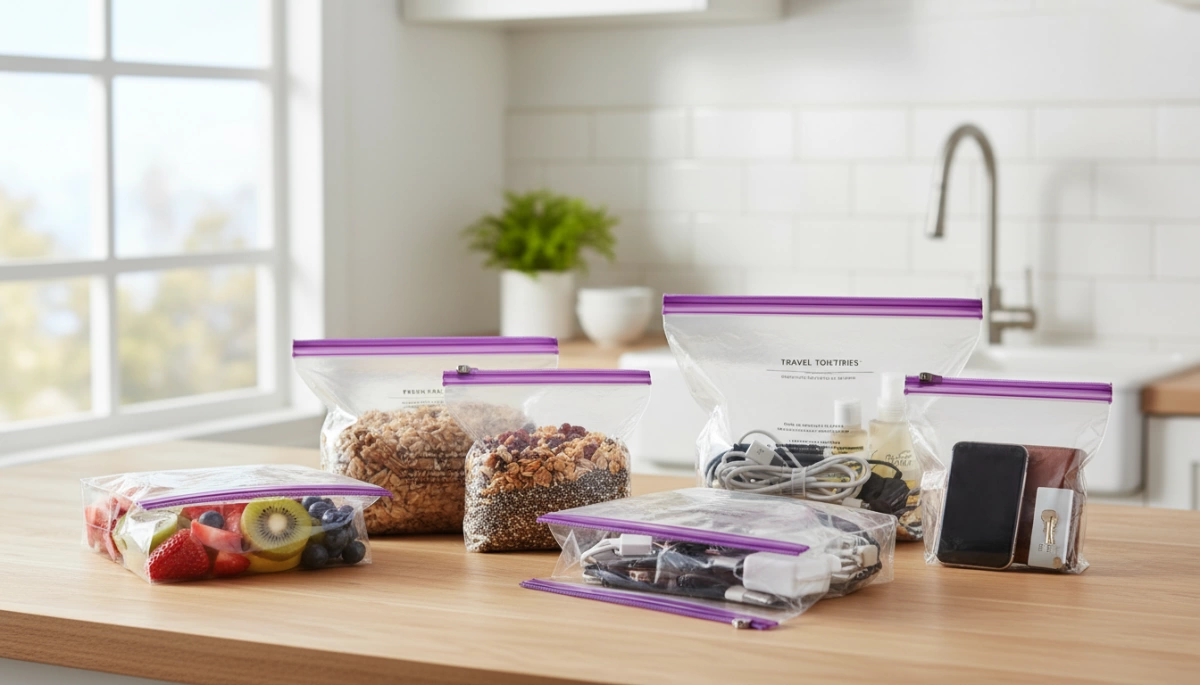
We design flexible packaging to serve a wide array of industries, prioritizing functionality without sacrificing environmental responsibility. While our focus remains on sustainable solutions, the versatility of resealable packaging allows it to adapt to everything from pantry staples to industrial components.
Food Storage and Preservation
The primary role of our high-barrier bags is extending shelf life. We utilize materials like NK and NKME cellulose films to provide superior oxygen and moisture resistance, which is critical for sensitive products like coffee beans, tea, and dried fruits. A secure seal prevents spoilage and maintains flavor integrity. When sourcing packaging, it is vital to verify material standards and ask are Chinese plastic food storage bags safe to ensure compliance with food safety regulations. Our compostable zippers offer the convenience of traditional storage while meeting strict BPI and TUV certifications.
Household Organization and Travel Packing
Beyond the kitchen, these bags are essential for decluttering and organization. The durability of materials like PBAT allows for repeated use, making them perfect for sorting small hardware, crafting supplies, or toiletries for travel.
- Space Saving: Flat bags and pouches compress easily to maximize luggage space.
- Visibility: Options with transparent windows or clear films help users identify contents instantly.
- Protection: Keeps personal items dry and separated from potential spills.
Medical and Laboratory Sample Handling
In professional settings, contamination control is non-negotiable. Reclosable bags provide a secure environment for transporting sensitive specimens or keeping medical devices sterile until use. The airtight nature of the closure system ensures that samples remain isolated from external pollutants, while the robust material construction prevents accidental punctures or leaks during handling.
Industrial and Electronic Component Packaging
For the manufacturing and retail sectors, protecting goods during transit is a top priority. Our heavy-duty bags are designed to shield electronic components and industrial parts from dust, humidity, and static.
- Durability: High-strength films resist tearing when holding sharp or heavy items.
- Retail Ready: Stand-up pouches with tear notches and round corners offer a premium look for shelf display.
- Sustainability: We help businesses transition their industrial packaging to biodegradable options, reducing the long-term environmental impact of supply chain waste.
Choosing the Right Ziplock Bag for Your Needs

Selecting the perfect packaging goes beyond just picking a bag that fits your product. Whether you are packaging organic coffee beans or retail snacks, the right choice impacts shelf life, brand perception, and shipping safety. We focus on helping businesses transition from traditional plastics to high-performance compostable solutions without sacrificing functionality.
Determining Correct Size and Capacity
Getting the size right prevents wasted material and ensures your product displays well on the shelf. You need to account for the volume of the product, not just its flat dimensions. If you are packaging bulky items like granola or pet treats, a stand-up pouch with a bottom gusset is essential because it expands to hold more volume while remaining stable on display racks.
For flatter items like jerky samples or dried fruit slices, a standard flat bag (3-side seal) is usually sufficient. When sourcing PE food bags for supermarkets or compostable alternatives, always test your product inside the bag to ensure there is enough headspace for the zipper to close easily without straining the material.
Understanding Gauge and Material Thickness
Thickness, often measured in mils or microns, determines the bag’s durability and barrier properties. In the traditional plastic industry, High-density polyethylene (HDPE) and Linear low-density polyethylene (LLDPE) are common standards for strength. However, in the sustainable sector, we achieve comparable durability using blends of PLA (Polylactic Acid) and PBAT.
- Lightweight items: Thinner gauges are fine for short-term storage or lightweight dry goods.
- Heavy or sharp items: Thicker materials are necessary to prevent punctures and maintain moisture resistance.
- Barrier needs: If you need to lock out oxygen, we utilize NK and NKME cellulose films to create a high-barrier structure that rivals Polypropylene (PP) in performance.
Evaluating Seal Strength and Closure Types
The integrity of the closure system is vital for contamination control and extending shelf life. Resealable packaging must endure repeated opening and closing without failing. We use high-quality compostable zippers that provide a tactile “snap” to assure the consumer the bag is sealed.
For products sensitive to air, like roasted coffee, simply having a zipper isn’t enough. You should look for bags equipped with degassing valves and tear notches. A strong seal ensures that once the package leaves your facility, it remains airtight and secure until the customer opens it.
Best Practices and Precautions for Use
Temperature Limits and Microwave Safety
When using **resealable packaging** for food storage, it is crucial to understand the thermal properties of the material. While standard **Polypropylene (PP)** is often microwave-safe, many bio-based materials like PLA are designed for shelf stability rather than high-heat cooking. Exposing compostable or standard **Linear low-density polyethylene (LLDPE)** bags to temperatures exceeding their rating can cause the material to warp, melt, or leach chemicals into food. Always verify the manufacturer’s specifications before reheating contents directly in the bag to maintain safety and seal integrity.
Cleaning for Safe Reusability
Reusing bags is a great way to extend their lifecycle, but **contamination control** is essential to prevent bacterial growth.
* **Dry Goods Only:** We recommend reusing bags primarily for dry items like nuts, dried fruit, or hardware to minimize moisture buildup.
* **Thorough Washing:** If you must wash a bag, use warm soapy water and ensure it is completely dry inside out before refilling.
* **Know When to Toss:** If a bag held raw meat or oily substances, it is safer to dispose of it rather than risking cross-contamination.
For applications requiring frequent, heavy-duty washing, sourcing from a wholesale silicone food storage bag manufacturer is often a more durable alternative to flexible film bags.
Environmental Considerations and Proper Disposal
The end-of-life stage is where our compostable solutions stand apart from traditional **High-density polyethylene (HDPE)** plastics. To maximize the environmental benefit, you must dispose of these bags correctly.
* **Check Certifications:** Ensure the bag meets BPI or TUV Austria standards (OK Compost Home/Industrial).
* **Composting vs. Recycling:** Do not place compostable bags in standard plastic recycling bins, as they contaminate the recycling stream. Instead, place them in a home compost setup or an industrial composting facility.
* **Waste Management:** When organizing organic waste, using compatible [flat trash bags](https://www.ecoartfullife.com/garbage-bags/flat-trash-bags/) ensures the entire waste stream remains biodegradable, breaking down into water, CO2, and biomass without leaving microplastics behind.