
















Understanding the Main Difference Between Freezer Bags and Regular Bags
When managing kitchen organization, distinguishing between standard storage options and specialized preservation tools is critical. While regular plastic bags serve immediate, short-term needs, they lack the structural integrity required for long-term food preservation. The primary distinctions lie in the composition of the material and the reliability of the closure system.
Material Thickness and Durability
The most visible difference between storage bags is the gauge of the material.
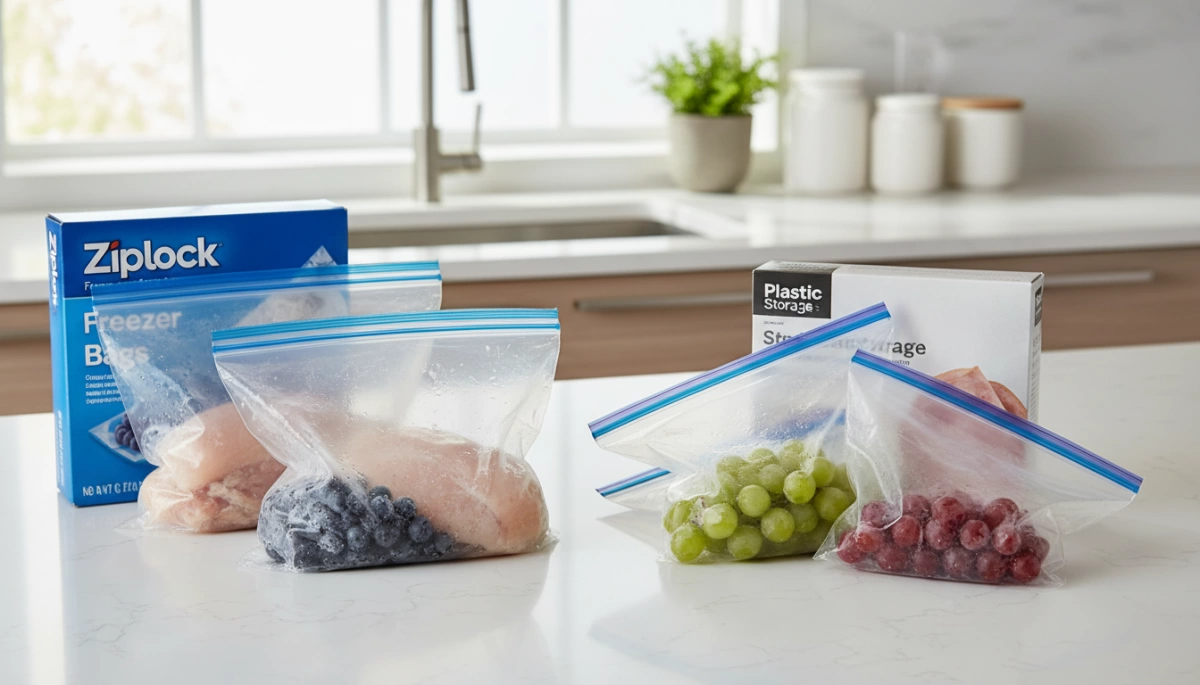
- Regular Storage Bags: typically made from thin polyethylene, designed for lightweight items like sandwiches or dry snacks. They are prone to punctures and cannot withstand extreme temperature changes.
- Freezer Ziplock Bags: utilize a slightly thicker plastic to resist becoming brittle in cold environments, though they remain susceptible to tearing over time.
- EcoArtfulLife Silicone Bags: We engineer our bags using thick, 100% food-grade silicone. Unlike disposable plastics, this heavy-duty material is designed to resist tearing, degradation, and extreme temperatures ranging from -40°F to 446°F (-40°C to 230°C).
Seal Strength and Air Tightness
A bag is only as good as its closure. Standard zip-top tracks often pop open under pressure or fail to create a true barrier against the outside environment.
- Standard Seals: Often allow air infiltration, leading to rapid spoilage.
- Hermetic Sealing: Our reusable silicone bags feature a leak-proof sealing mechanism. This airtight design ensures that liquids (like soups and stocks) stay contained and that air is kept out, maintaining the freshness of the contents far longer than traditional plastic tracks.
Moisture and Vapor Resistance
Preventing moisture loss is the key to stopping freezer burn. Thin plastic allows water vapor to escape and dry air to enter, compromising food texture and flavor.
| Feature | Regular Plastic Bag | Freezer Plastic Bag | EcoArtfulLife Silicone Bag |
|---|---|---|---|
| Barrier Quality | Low (Permeable) | Medium (Resistant) | High (Impermeable) |
| Puncture Risk | High | Moderate | Extremely Low |
| Temp Range | Room Temp Only | Freezing Only | -40°F to 446°F (Freezer to Boil) |
| Reusability | Single-Use | Limited Reuse | Indefinite Reuse |
By utilizing a dense silicone barrier, our bags prevent the moisture migration that plagues standard storage bags, ensuring your food tastes as fresh as the day it was frozen.
The Science of Freezer Bags: Why Thickness Matters
When analyzing a Freezer Ziplock Bag vs Regular Bags, the most critical differentiator is the gauge of the material. Standard storage bags are typically made from thin polyethylene (often around 1.5 mil), which is fine for a sandwich but insufficient for the harsh environment of a freezer. Freezer-grade bags are significantly thicker, usually doubling that density. This extra plastic thickness isn’t just for show; it provides a necessary thermal barrier that stabilizes the temperature inside the bag and prevents the plastic from becoming brittle and cracking under sub-zero conditions.
Protection Against Freezer Burn
Freezer burn occurs when air reaches the surface of your food, causing dehydration and oxidation. This ruins the texture and flavor, turning a prime steak into a leather shoe. The superior thickness of freezer bags creates a barrier that significantly slows down air permeation compared to standard zip-top bags.
To keep your groceries fresh, you must use effective food packaging to prevent spoilage. A thicker bag minimizes the transmission of moisture vapor, ensuring that the water content stays inside your food rather than evaporating into the dry freezer air.
- Air Barrier: Thicker material reduces oxygen transfer.
- Moisture Lock: Prevents dehydration of meats and vegetables.
- Flavor Retention: Stops odors from other foods from penetrating the bag.
Resistance to Puncture and Tears
Frozen food is unforgiving. Jagged ice crystals, sharp bone ends, and stiff frozen vegetables can easily slice through thin plastic. Regular storage bags lack the durability to withstand this friction. Once a bag is punctured, the seal is compromised, and your food is exposed to the elements.
We prioritize materials that offer high resistance to physical damage. Whether you are using heavy-duty plastic or our preferred silicone alternatives, the goal is to prevent punctures that lead to leaks and waste. A bag that rips when you shuffle items around in the freezer drawer is a bag that has failed its primary purpose.
Long-Term Preservation for Frozen Goods
If you plan to store food for more than a few weeks, the container must be explicitly labeled freezer safe. Thin bags are permeable; over months, they allow enough air exchange to degrade food quality. For bulk buying and meal prepping, utilizing robust high-capacity food storage bags ensures that large quantities remain airtight and protected for the long haul.
Seal strength and material density work together to extend shelf life. While a regular bag might keep leftovers okay for a few days, a thick freezer bag—or a reusable silicone bag—is engineered to maintain food integrity for months, protecting your financial investment in your groceries.
Exploring Regular Zip-Top Storage Bags
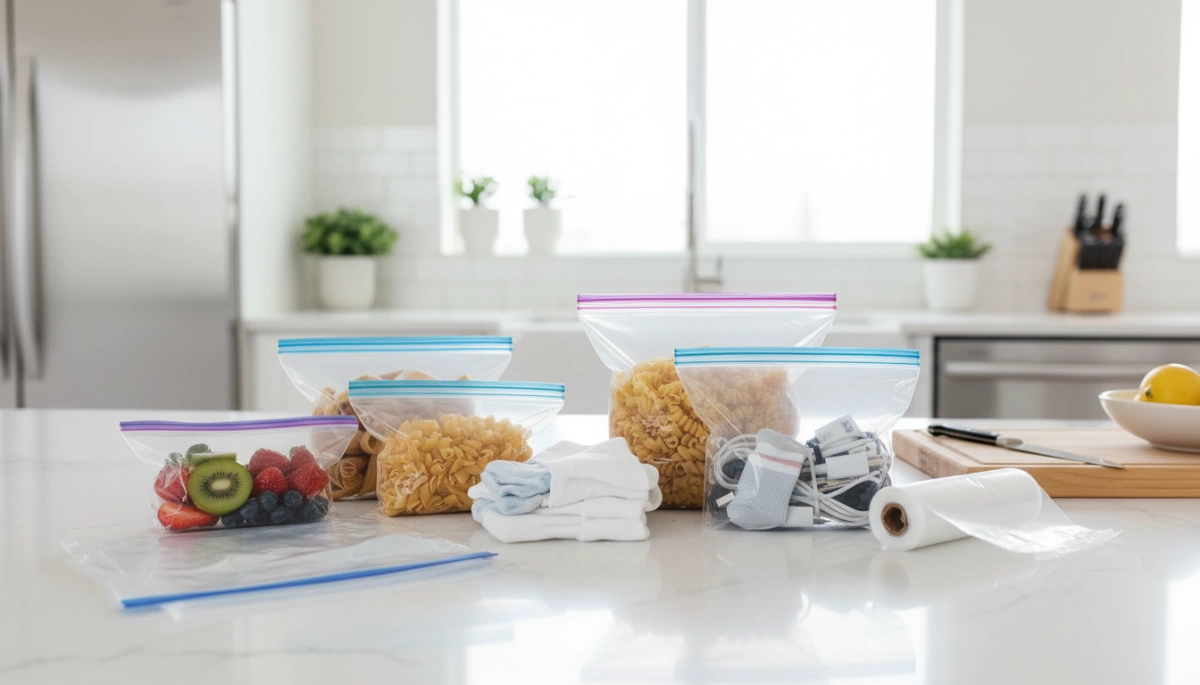
When we look at the standard storage bags found in most American kitchen drawers, we are usually dealing with thin polyethylene plastic. These are the go-to options for packing a quick lunch or storing leftovers that will be eaten within a day. While they serve a purpose for immediate convenience, it is important to understand their limitations compared to heavy-duty silicone alternatives.
Best Uses for Short-Term Refrigeration
Regular zip-top bags are designed primarily for short-term storage. Because the plastic thickness is significantly lower than that of freezer-grade or silicone bags, they are more permeable to air. This makes them acceptable for keeping a sandwich fresh for a few hours or storing cut vegetables that you plan to cook that same evening.
However, they are not built for the long haul. The seal on a standard bag often lacks the hermetic integrity required to prevent oxidation over several days. For items that need breathable protection in the fridge, some people might alternate between bags and elastic food covers for international markets to keep produce accessible. But for anything beyond a day or two, reliance on thin plastic can lead to dried-out food and waste.
Lightweight Design for Dry Goods and Pantry Storage
The lightweight nature of regular bags makes them a common choice for organizing dry goods in the pantry. They work well for portioning out snacks like crackers, nuts, or pretzels for on-the-go convenience. Since these items don’t require strict temperature control, the thinner material is usually sufficient for keeping crumbs contained.
The downside here is durability. Regular storage bags are prone to punctures and tears, especially if you are storing items with sharp edges, like pretzels or dried pasta. Unlike our thick, tear-resistant silicone bags, a standard plastic bag offers little structural protection. If you toss a regular bag of snacks into a backpack, there is a high chance it might burst open under pressure.
Cost-Effectiveness for Everyday Organization
On the surface, regular storage bags seem like the most cost-effective option because the upfront price per box is low. They are frequently used for non-food organization, such as corralling loose cords, storing puzzle pieces, or packing travel toiletries. For these low-stakes tasks where food preservation isn’t the goal, they perform adequately.
However, the “cheap” cost is deceptive when you consider the single-use lifecycle. You use it once, the seal fails or the plastic stretches, and it goes in the trash. Over time, constantly replacing disposable bags costs more than investing in reusable silicone storage that withstands thousands of uses. While regular bags offer a quick fix for clutter, they lack the seal strength and environmental responsibility of a dedicated reusable solution.
Can You Use Regular Bags in the Freezer?

We often get asked if it is safe to toss a standard sandwich bag into the deep freeze. The short answer is yes, you physically can, but I wouldn’t recommend it for anything you plan to keep for more than a few days. While regular storage bags might look similar to their freezer counterparts, the structural differences play a huge role in how well your food survives the cold.
The Risks of Using Thin Bags for Freezing
Regular zip-top bags are designed for room temperature or refrigerator use, meaning the plastic thickness is significantly lower than what is required for freezing. Because the material is so thin, it remains breathable on a microscopic level. In the harsh environment of a freezer, this lack of density leads to several issues:
- Brittleness: Thin plastic stiffens and cracks easily at sub-zero temperatures.
- Tears and Punctures: Sharp edges from frozen foods (like meat bones or crusty bread) can easily pierce the bag.
- Seal Failure: The standard zipper often pops open as food expands during freezing.
If you are looking for materials that can actually withstand temperature extremes without degrading, understanding the composition of food-grade plastic bags is essential. Unlike robust silicone options that handle -40°F with ease, standard polyethylene bags simply aren’t built for the job.
Impact on Food Quality and Taste
The biggest enemy of frozen food is air. Since regular bags are not effectively airtight in freezing conditions, they allow moisture to evaporate from the food while letting dry freezer air seep in. This process accelerates freezer burn, which manifests as grayish-brown spots on meat or ice crystals covering your vegetables.
When food preservation is compromised like this, the texture becomes leathery and the flavor creates that distinct, stale “freezer” taste. You aren’t just risking a mess from a torn bag; you are wasting the money you spent on the ingredients.
When It Is Acceptable for Short-Term Use
Despite the drawbacks, you don’t always need a heavy-duty solution. If you are freezing something for a very short period—think 24 to 48 hours—a regular bag is usually sufficient.
Acceptable scenarios for regular bags:
- Chilling cookie dough for an hour before baking.
- Storing leftovers you plan to reheat the next day.
- Holding ice for a temporary ice pack.
However, for anything intended for long-term storage, relying on a flimsy bag is a gamble. Investing in a proper portable silicone food storage bag ensures that the seal stays tight and the material won’t degrade, keeping your food fresh for months rather than days.
Can You Use Freezer Bags for Regular Storage?
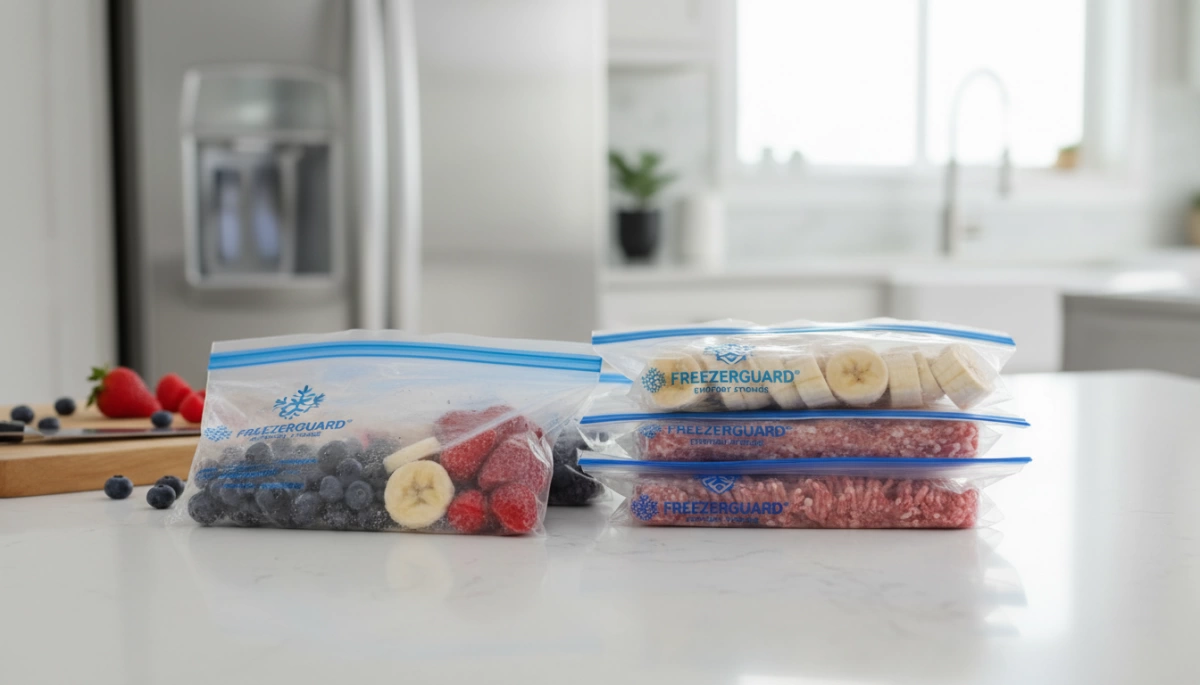
When comparing a Freezer Ziplock Bag vs Regular Bags, the question often comes up: can you use the heavy-duty option for everyday tasks? The short answer is yes. Freezer bags are essentially upgraded versions of standard storage bags, meaning they can handle anything a regular bag can. However, using a thick, expensive bag to hold a handful of pretzels or organize office supplies might be overkill. While they offer superior protection, using them for short-term, room-temperature storage doesn’t always make practical sense.
Versatility and Reuse Potential
Freezer bags are designed with durability in mind. Their thicker plastic construction makes them less likely to tear when holding sharp or bulky items like nuts, hardware, or craft supplies. Because they are sturdier, they can technically be washed and reused more often than thin sandwich bags, though they are still prone to degrading over time.
However, true versatility comes from moving away from disposable plastic entirely. Our food-grade silicone bags offer a level of utility that plastic simply cannot match. Unlike disposable freezer bags, silicone containers can transition directly from the freezer to the microwave or boiling water without melting or leaching chemicals.
Cost vs. Utility Trade-offs
Using freezer-grade bags for everything in your kitchen will quickly drive up your grocery bill. These bags contain more material and require more complex manufacturing, making them significantly more expensive per unit than standard bags. If you are packing a dry sandwich for lunch that will be eaten in three hours, the extra protection of a freezer bag is wasted money.
For businesses or large families, analyzing these costs is critical. You might consider purchasing Ziploc bags in bulk to lower the per-unit price, but the most cost-effective strategy is often reserving the expensive bags strictly for long-term frozen storage and using lighter bags or reusable containers for everything else.
Environmental Impact and Sustainability Considerations
From an environmental perspective, using freezer bags for regular storage is problematic. Because they are thicker, they utilize more plastic resin per bag than their thinner counterparts. When tossed out after a single use, they contribute a larger volume of non-biodegradable waste to landfills. Even if you reuse them a few times, they eventually succumb to wear and tear.
The most sustainable move is to replace disposable plastics with durable alternatives. A single silicone bag can replace hundreds of single-use freezer and storage bags over its lifespan. If you are ready to reduce your plastic footprint, knowing where to buy high-quality reusable bags is the first step toward a zero-waste kitchen. This switch not only protects the environment but also provides a superior airtight seal that keeps food fresh longer than any disposable option.
Choosing the Right Bag for Your Needs
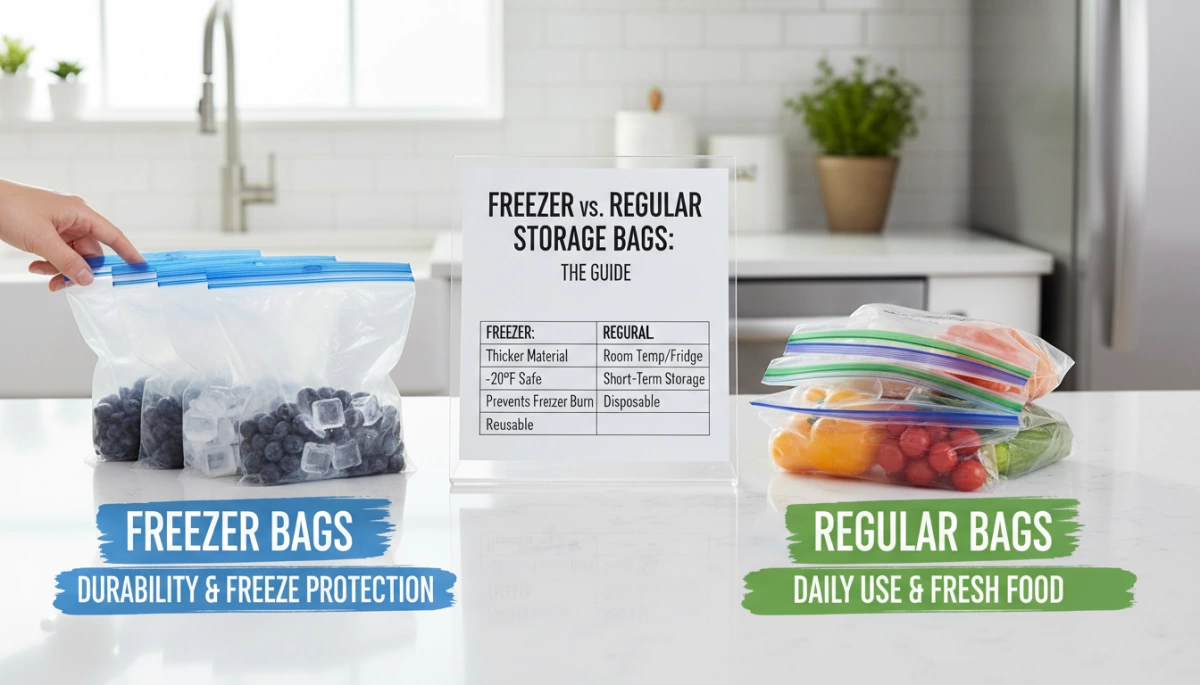
When to Reach for a Freezer Bag
Deciding between a **Freezer Ziplock Bag vs Regular Bags** often comes down to how long you plan to store the food. If you are freezing raw meat, leftovers, or seasonal fruits for more than a few days, you absolutely need the thicker protection of a freezer-grade container. Thin plastic allows air to permeate over time, leading to texture damage. For the best results, we recommend using reusable silicone bags because they offer a heavy-duty thermal barrier that disposable plastics can’t match. Our silicone bags withstand temperatures down to -40°F, ensuring your food stays safe from freezer burn indefinitely without the plastic becoming brittle or cracking.
When a Regular Storage Bag Is Sufficient
Standard **storage bags** are thinner and designed for short-term use. These are acceptable for packing a sandwich for lunch, storing dry pantry goods like nuts or pretzels, or keeping cut vegetables in the refrigerator for a day or two. Since these bags lack a thick moisture barrier, they aren’t **freezer safe** for long periods. While they work for immediate consumption, relying on them for long-term **food preservation** usually results in wasted groceries. If you are looking to reduce waste, swapping these single-use thin plastics for versatile silicone options handles both pantry and fridge duties effectively.
Tips for Ensuring a Proper Seal Every Time
Regardless of the bag type, a compromised seal defeats the purpose of storage. Oxygen exposure accelerates spoilage and creates ice crystals in the freezer. To maximize freshness, follow these best practices:
- Remove Excess Air: For solid foods, roll the bag from the bottom up to push air out before sealing.
- Leave Headspace for Liquids: When freezing soups or stocks, leave about an inch of space at the top to allow for expansion so the seal doesn’t burst.
- Check the Alignment: Ensure the track is completely closed. Our silicone bags utilize a hermetic locking mechanism that provides superior seal strength compared to standard press-to-close tracks.
- Clean the Seal: Food debris in the zipper track is a common cause of leaks.
If you are evaluating your kitchen setup, understanding whether silicone is better than plastic for food storage can help you make a choice that improves both food quality and sustainability.
Comparison: Freezer vs. Storage Bags at a Glance
A of Performance and Protection
When deciding between a freezer ziplock bag vs regular bags, the choice often comes down to the specific demands of your food preservation needs. While standard plastic bags offer convenience for short-term tasks, they lack the structural integrity required for long-term freezing. Understanding the material differences in food-grade PE storage bags helps clarify why thickness matters for preventing spoilage.
Here is a quick breakdown of how these options compare against our high-quality reusable silicone alternatives:
| Feature | Regular Storage Bag | Freezer Ziplock Bag | EcoArtfulLife Silicone Bag |
|---|---|---|---|
| Material Thickness | Thin (< 2 mil) | Medium (~3-4 mil) | Heavy-Duty Silicone |
| Seal Strength | Basic Zip | Reinforced Dual-Zip | Hermetic / Leak-Proof |
| Temp Resistance | Room Temp / Fridge | Freezing Only | -40°F to 446°F (-40°C to 230°C) |
| Durability | Single-Use | Limited Reuse | Indefinite Reuse |
| Protection | Low (Air Permeable) | Moderate (Resists Burn) | High (Airtight Barrier) |
Regular bags are strictly for the pantry or fridge where temperature fluctuations are minimal. Freezer bags provide a temporary buffer against cold air but eventually fail. Silicone bags offer a permanent solution, handling everything from deep freezing to boiling water without degrading.
Making the Most of Your Food Storage Budget
While buying a box of 100 disposable bags seems cheap at the checkout counter, the recurring cost adds up significantly over time. Thin bags often lead to wasted food due to leaks or freezer burn, effectively doubling your loss. Investing in durable, reusable options changes the equation.
- Eliminate Waste: One silicone bag replaces hundreds of single-use plastics, reducing your environmental footprint.
- Versatility: Unlike plastic that melts, our silicone bags transition from the freezer directly to the microwave or sous vide pot.
- Secure Storage: The superior seal ensures liquids like stocks and soups stay contained, unlike standard zip-tops that pop open under pressure.
For a comprehensive look at organizing your kitchen efficiently, check out our guide on bags storage. Switching to a reusable system isn’t just about being eco-conscious; it is a smarter financial move that protects your groceries better than any disposable plastic ever could.