
















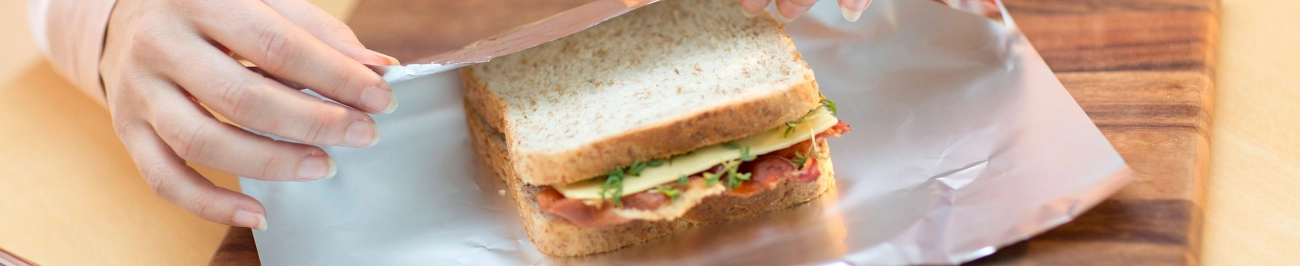
If you’ve ever wondered, what is aluminum foil used for, you’re not alone. This everyday kitchen hero is way more versatile than just wrapping your leftovers. From cooking and food storage to clever household hacks and even creative projects, aluminum foil plays a starring role in many unexpected ways.
At Artfullife, we know the value of quality aluminum foil, and we’re here to help you unlock its full potential. Whether you’re a home cook looking for easy meal solutions or someone curious about practical uses beyond the kitchen, this guide will walk you through everything you need to know about using aluminum foil safely, efficiently, and creatively.
Ready to discover why this thin sheet of metal is a must-have in every home? Let’s dive in!
The Basics of Aluminum Foil Uses in Cooking and Beyond
Aluminum foil is a thin sheet of aluminum metal widely used in kitchens across the United States and around the world. It’s lightweight yet strong, making it an essential household item you probably use every day without even thinking about it.
Composition and Manufacturing Overview
Aluminum foil is made by repeatedly rolling aluminum slabs until the metal is less than 0.2 millimeters thick. Sometimes, it’s coated with special layers to improve non-stick properties or heat resistance. This manufacturing process results in a product that’s:
- Flexible and easy to fold
- Malleable for wrapping different-shaped items
- Durable enough to withstand high cooking temperatures
Physical Properties That Make It a Household Staple
What sets aluminum foil apart are its key physical properties:
- Heat resistance: Aluminum foil conducts heat efficiently, which helps in cooking and baking.
- Barrier qualities: It blocks moisture, oxygen, light, and bacteria, making it perfect for food preservation.
- Flexibility: Easily wraps around food or shapes for sealing and protection.
- Durability: Despite being thin, it offers a sturdy shield against contamination and odors.
These qualities aren’t just useful; they make aluminum foil a must-have in every kitchen. Whether you’re cooking, storing food, or protecting surfaces, foil fits seamlessly into these tasks.
Why You Should Trust Aluminum Foil in Your Home
Because of its versatility and reliability, aluminum foil continues to be one of the most trusted materials for food storage, cooking, and even household hacks. Its ability to keep food fresh, assist in safe food handling, and make cleanup easier has cemented its place as a kitchen essential.
Understanding these basics helps you appreciate why aluminum foil is more than just shiny paper—it’s a multi-purpose, high-performance product designed for daily use.
Common Household Uses of Aluminum Foil for Food Storage and Cooking

Aluminum foil is a kitchen essential in many American homes because of its versatility in food storage and cooking. Here’s how it helps keep food fresh and makes meal prep easier.
Food Storage and Preservation
- Wrapping leftovers: Aluminum foil tightly seals food, helping to lock in moisture and flavor, which keeps your leftovers tasting fresh longer.
- Preventing freezer burn: When you wrap items like meat or vegetables in foil before freezing, it creates a barrier that reduces exposure to air, preventing freezer burn and preserving quality.
- Covering dishes: Use foil to cover bowls or plates in the fridge; it protects food from odors and spills while maintaining freshness.
Cooking Applications
- Baking roasting and grilling: Aluminum foil distributes heat evenly, making it great for baking casseroles or roasting vegetables and meats. On the grill, foil packets (foil packs) trap steam and flavors, cooking food gently while keeping it juicy.
- Foil packets: Great for preparing individual meal portions with veggies, meat, or fish. These packets make cleanup easy and keep flavors sealed in.
- Lining pans for easy cleanup: Placing foil on baking sheets or roasting pans prevents stuck-on food and reduces scrubbing time afterward.
Heat Conduction Benefits
Aluminum foil is a good heat conductor and helps food cook evenly. By wrapping food, it reflects heat back onto the surface, speeding up cooking times and preventing burning. This makes foil ideal for grilling delicate items or slow-roasting.
Overall, aluminum foil’s flexibility and heat resistance make it a household favorite for keeping food fresh, cooking delicious meals, and simplifying cleanup.
Aluminum Foil in Food Safety and Hygiene
Using aluminum foil for food safety and hygiene is a smart way to keep your meals fresh and protected. One of the key uses of aluminum foil in the kitchen is its ability to maintain food freshness. When you wrap leftovers or cover food tightly with foil, it acts as a barrier against moisture, oxygen, and light—all of which can cause food to spoil faster. This helps extend the life of your ingredients and reduces waste, which is super important for any household.
Another important benefit is preventing contamination. Aluminum foil creates a clean, protective layer that shields food from dust, germs, and airborne particles. This is especially useful when storing food in the refrigerator or freezer, where exposure to other items can sometimes lead to flavor transfer or contamination. Using foil ensures your food stays safe and hygienic.
Artfullife Quality and Food Safety Standards
At Artfullife, quality and food safety are top priorities. As a trusted supermarket supplier in the U.S. market, Artfullife ensures that all aluminum foil products meet strict food-grade safety standards. Their foil is made with high-quality materials, designed to be free from contaminants and safe for direct contact with food. Artfullife also focuses on producing foil with consistent thickness and strength, so you get reliable performance whether wrapping, storing, or cooking.
Choosing Artfullife aluminum foil means you’re getting a product that supports safe food handling and hygiene. This commitment helps you trust that the foil won’t compromise your food’s safety—whether it’s everyday storage, meal prep, or special cooking needs.
By using aluminum foil correctly, you can confidently maintain freshness and avoid contamination while enjoying peace of mind with a dependable brand like Artfullife.
Household Hacks and Practical Uses of Aluminum Foil
Aluminum foil isn’t just for the kitchen—it’s a handy tool for many around-the-house jobs. Its flexibility, heat resistance, and durability make it perfect for several practical applications that can save you time and effort. Here are some clever ways to use aluminum foil beyond cooking and food storage.
Cleaning Tips Using Aluminum Foil
- Polishing silverware: Crumple a small ball of aluminum foil and use it to scrub tarnished silverware gently. The foil helps remove spots without harsh chemicals.
- Cleaning grills: Wrap aluminum foil around a grill brush or wad it up to scrape off burnt-on food and grease. It’s an easy way to get your grill ready for the next BBQ.
Sharpening Scissors With Aluminum Foil
- Fold a sheet of aluminum foil several times to create a thick strip.
- Cut through the foil repeatedly with your scissors.
- This action sharpens the blades by helping realign the edges, making cutting smoother and more precise.
Removing Static From Clothing in Dryers
- Ball up a piece of aluminum foil and toss it into your clothes dryer with your laundry.
- The foil acts as a natural static reducer by discharging static electricity buildup in fabrics.
- This is a chemical-free alternative to dryer sheets and reusable.
Protecting Surfaces During Painting or Crafts
- Cover tables, countertops, or floors with aluminum foil before starting painting or craft projects.
- It’s easy to mold around objects and sticky surfaces, protecting them from paint splatters and glue drips.
- After use, simply crumple the foil and toss it for a quick cleanup.
Insulation Uses Around the Home
- Aluminum foil’s reflective properties make it useful as an insulation barrier in some home projects.
- Use it to line heat vents, pipes, or behind radiators to reflect heat back into the room.
- It can also help insulate drafty windows temporarily by affixing foil sheets to reflect heat during cold seasons.
Aluminum foil hacks and tips like these show how versatile this everyday product is around the house. It’s not only a cooking helper but a handy tool for cleaning, protecting, and even improving home efficiency. Keep a roll handy—you’ll be surprised by the many practical uses you find!
Creative and Industrial Uses of Aluminum Foil
Aluminum foil isn’t just for the kitchen—its versatility makes it a handy tool in creative projects, science experiments, and various industrial applications.
Art and Craft Projects
Many artists and hobbyists use aluminum foil in art and craft projects because it’s easy to shape, cut, and mold. It can add a shiny, reflective texture to sculptures, collages, and school projects. Use it for:
- Creating textured backgrounds
- Making DIY jewelry or decorations
- Wrapping gifts with a sleek finish
Science Experiments and Educational Purposes
Teachers and students find aluminum foil useful for simple science experiments—due to its properties like conductivity and heat resistance. Common uses include:
- Demonstrating electrical circuits (foil as a conductor)
- Understanding insulation and heat transfer
- Building model rockets or solar ovens
Packaging in Various Industries
Beyond household uses, aluminum foil is widely used in industrial packaging. Its barrier qualities protect products by:
- Preventing light, oxygen, and moisture from damaging contents
- Extending shelf life of food, pharmaceuticals, and cosmetics
- Providing tamper-evident seals for safety and quality assurance
Temporary Repairs
Aluminum foil’s flexibility and durability make it a quick fix for minor repairs around the house or on the go. You can use it to:
- Patch up holes in pipes or vents temporarily
- Insulate broken wiring in emergencies
- Seal gaps or cracks when tape or glue isn’t available
This adaptability of aluminum foil goes beyond cooking and storage, making it an essential tool for creative, educational, and practical industrial uses as well.
Environmental Considerations and Recycling of Aluminum Foil
Is Aluminum Foil Recyclable
Aluminum foil is recyclable, but only when it’s clean and free of food residue. Soiled foil, especially with stuck-on grease or food bits, often ends up in the trash, which wastes a valuable material. To recycle properly:
- Rinse or wipe clean any foil before recycling.
- Ball it up tightly to make it easier for recycling facilities to process.
- Check your local recycling rules, as some programs accept foil, and others don’t.
Best Practices for Sustainable Aluminum Foil Use
Using aluminum foil sustainably means balancing convenience with care for the environment. Here are some tips:
- Reuse foil whenever possible: Foil can often be reshaped and reused for wrapping or lining.
- Prefer heavy-duty foil for tasks requiring strength like grilling or roasting to avoid using multiple layers.
- Consider alternatives like beeswax wraps or reusable containers for food storage to cut down on single-use foil.
- Avoid foil contamination by keeping foil separate from plastics or other recyclables in your recycling bin.
How Artfullife Promotes Environmentally Friendly Aluminum Foil Products
As a trusted supermarket supplier, Artfullife is committed to sustainability. They prioritize offering aluminum foil that meets high environmental standards:
- Products are often made from a high percentage of recycled aluminum.
- They provide clear recycling instructions on packaging to help customers dispose of foil responsibly.
- Artfullife supports initiatives to increase awareness about recycling and environmentally conscious usage.
- Their foil lines include various thicknesses, allowing customers to use just what’s needed without waste.
By choosing Artfullife aluminum foil, you’re supporting a brand that values quality, usability, and environmental responsibility—important factors for households across the U.S. looking to reduce their environmental footprint.
Tips for Choosing the Right Aluminum Foil for Your Needs
When it comes to picking aluminum foil, thickness and type matter a lot. Understanding the options can save you time, money, and hassle in the kitchen or around the home.
Know Your Foil Thickness Types
- Heavy-duty foil: Thick and durable, perfect for grilling, roasting, or wrapping foods that need extra protection. It won’t tear easily and handles high heat well.
- Standard foil: The everyday all-purpose option, good for most cooking, baking, and food storage tasks.
- Light or thin foil: Best for wrapping delicate foods, covering dishes, or use where flexibility trumps durability.
Choosing the right thickness improves performance whether you’re baking, grilling, or using foil for food preservation.
Specialty Foil Types for Specific Uses
- Non-stick aluminum foil: Ideal for baking or grilling sticky foods like fish or marinated dishes. It prevents food from sticking and makes cleanup easier.
- Perforated foil: Great for steaming or smoking, these foils allow steam to escape while still protecting your food.
How Artfullife Helps You Choose the Best Aluminum Foil
Artfullife understands the diverse needs of U.S. households and professional kitchens. Their range includes heavy-duty options for tough cooking jobs, non-stick varieties for hassle-free baking, and standard foils for everyday use. Plus, they provide expert advice to help customers find the right product based on usage.
For example, if you’re planning a grilling session, Artfullife recommends their heavy-duty foil ideal for grilling. Or if you want foil that’s easy to work with for baking projects, they have tips and product suggestions centered on baking with aluminum foil.
By considering foil thickness and specialty features—along with Artfullife’s trusted guidance—you’ll always pick the perfect foil for your food prep or household hack.
Frequently Asked Questions about Aluminum Foil Uses
Is aluminum foil safe to use with food
Yes, aluminum foil is safe for food use when used properly. It’s widely used for wrapping, cooking, and storing food because it doesn’t release harmful chemicals during normal use. However, avoid using foil with highly acidic or salty foods for long periods, since this can cause slight aluminum leaching. For everyday cooking and food storage, aluminum foil is a trusted and safe option.
Can aluminum foil be used in the microwave
Generally, using aluminum foil in the microwave is not recommended because it can cause sparks and fires. Small amounts of foil may be allowed in some microwave ovens for short durations, but always check your microwave’s manual first. Instead, use microwave-safe covers like parchment paper or microwave-safe plastic wraps for reheating.
Difference between aluminum foil and parchment paper
Both aluminum foil and parchment paper help in cooking and food storage, but they serve different purposes:
- Aluminum foil is great for heat conduction, grilling, roasting, and keeping food moist. It’s also a strong barrier against moisture and odors.
- Parchment paper is non-stick and perfect for baking delicate items, lining trays, and cooking foods where you don’t want direct contact with metal.
So, choose foil for grilling and heat-heavy tasks and parchment for baking or non-stick requirements.
How to store aluminum foil properly
To keep your aluminum foil fresh and easy to use, follow these simple tips:
- Store it in a cool, dry place away from moisture to prevent tearing or sticking.
- Keep it in its original box with the roll secure to avoid crumpling.
- Avoid storing near strong-smelling foods as foil can absorb odors.
- If you have leftover scraps, consider recycling instead of saving for future use.
Proper storage ensures your foil stays clean, effective, and ready for household or cooking needs.
Understanding these common questions helps you make the most out of aluminum foil while keeping safety and efficiency in mind. Whether wrapping leftovers or lining your grill, knowing these basics supports better food storage, cooking, and cleaning results in your daily life.