
















Categories
Recent Articles

Low Temperature Ziplock Bags Durable Freezer Safe Storage Bags

What are Low-Temperature Ziplock Bags?

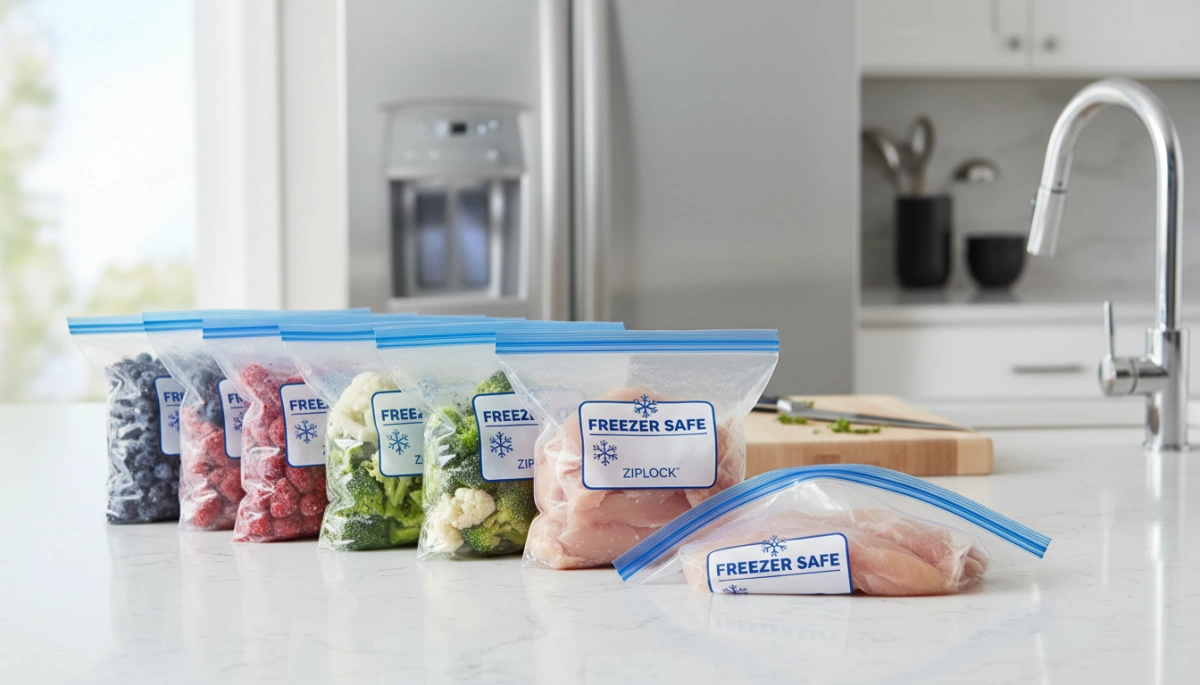
Low-temperature ziplock bags are specialized flexible packaging solutions engineered to withstand sub-zero environments without compromising structural integrity. Unlike general-purpose packaging, these bags are manufactured to resist the brittleness that often occurs in freezing conditions. At EcoArtFullLife, we combine high-performance durability with sustainability, offering bags that protect contents from freezer burn while remaining fully compatible with recycling streams or composting processes.

Understanding Food-Grade Materials (LDPE and LLDPE)

To achieve optimal performance in cold storage, material selection is critical. We utilize advanced Mono-material PE (Polyethylene) structures, often incorporating Low-Density Polyethylene (LDPE) and Linear Low-Density Polyethylene (LLDPE).

  • Flexibility: These materials maintain elasticity at low temperatures, preventing the bag from snapping or tearing.
  • Recyclability: Unlike multi-layer laminates made of mixed plastics, our mono-PE construction is 100% recyclable, aligning with circular economy goals.
  • Sustainability: We also offer compostable options based on PLA/PBAT films for brands seeking alternative eco-friendly disposal methods.

The Importance of BPA-Free and Safety Standards

Ensuring consumer safety is paramount in food packaging. Our low-temperature ziplock bags are manufactured in strict compliance with FDA and EU food safety regulations.

  • Chemical Safety: All materials are BPA-free and devoid of harmful heavy metals.
  • Direct Contact: The films are certified safe for direct contact with consumables, including frozen foods, meat, and pet food.
  • Odor and Taste: High-quality processing ensures no chemical leaching, preserving the natural taste and quality of the stored product.

How Freezer Bags Differ from Standard Storage Bags

The distinction between a standard storage bag and a true freezer-grade solution lies in the barrier properties and seal integrity.

  • Thickness and Density: Low-temperature bags feature a robust construction designed to resist punctures and tears from sharp frozen edges.
  • Moisture Barrier: Enhanced barrier layers prevent moisture loss and ice crystal formation, effectively stopping freezer burn.
  • Seal Performance: Our high-performance ziplocks are engineered to remain airtight even when the material contracts in the cold, ensuring a secure closure that standard bags cannot guarantee.

Core Features of High-Quality Freezer Bags

Durable low-temperature ziplock storage bags

Enhanced Thickness and Material Durability

We prioritize structural integrity in our manufacturing process to ensure our packaging survives the harshest environments. Unlike standard storage options that become brittle and crack in the freezer, our **Low-temperature Ziplock Bags** utilize advanced mono-material PE structures. This material science allows the film to remain flexible even at sub-zero temperatures, significantly reducing the risk of punctures from sharp ice crystals or rigid frozen contents. For a deeper dive into how material gauge impacts preservation, our [guide to plastic food storage bags](http://65.21.89.238/product-guides/plastic-food-storage-bags/) explains the correlation between thickness and barrier performance.

Double Zipper Technology for Leak-Proof Sealing

The closure system is the first line of defense against freezer burn. We engineer our bags with **resealable** double zipper tracks that maintain their grip tension specifically in **cold storage**. Standard zippers often contract and pop open when frozen, allowing air to enter and moisture to escape. Our reinforced locking mechanism ensures a hermetic seal, keeping the internal environment stable and preventing the oxidation that ruins food texture and flavor.

Temperature Resistance for Extreme Cold and Heat

Versatility is essential for modern kitchens and industrial supply chains. Our bags are designed to be **freezer safe** down to extreme negative temperatures while retaining enough **heat resistance** for safe defrosting. The materials we use are strictly **food-grade**, ensuring no chemical leaching occurs during rapid temperature fluctuations.

Performance Comparison: Standard vs. Low-Temp Bags

Feature Standard Storage Bag Low-Temperature Freezer Bag
Material Structure Thin LDPE (approx. 1-1.5 mil) Heavy-duty Mono-PE (2+ mil)
Cold Flexibility Becomes brittle, prone to cracking Remains flexible and impact-resistant
Seal Integrity Single track, loses grip in cold Double track, maintains airtight lock
Barrier Property Low resistance to air/moisture High barrier against oxygen and ice

Types and Specifications of Low-Temperature Bags

Low-temperature ziplock bags types and features

When we engineer packaging for the cold chain, we know that one size definitely does not fit all. The material structure must withstand sub-zero environments without becoming brittle or losing seal integrity. Here is how we break down the specifications for reliable low-temperature ziplock bags.

Standard vs. Heavy-Duty Thickness (Mil Ratings)

The thickness of a bag, measured in mils (thousandths of an inch), is the primary defense against freezer burn. Standard storage bags typically range from 1.5 to 2 mils; these are adequate for short-term refrigeration but often fail in deep freeze conditions.

For true cold storage protection, we recommend heavy-duty specifications. A thicker gauge ensures the low-density polyethylene (LDPE) or Mono-PE structure resists punctures from sharp ice crystals or rigid frozen foods.

Bag Type Thickness (Mils) Best Use Case
Standard Grade 1.5 – 2.0 mil Short-term fridge storage, sandwiches, light snacks.
Freezer Grade 2.5 – 3.0 mil Meat, poultry, leftovers stored for 1-3 months.
Heavy-Duty 4.0+ mil Long-term deep freeze, bone-in meats, bulk industrial storage.

Reusable Silicone vs. Disposable Plastic Options

The market is split between reusable silicone and flexible plastic films. Silicone bags are durable and heat resistant, making them a favorite for home kitchens, but they are often too bulky and costly for commercial packaging or high-volume use.

Our focus is on evolving the “disposable” category into a sustainable one. We utilize advanced Mono-PE materials that provide the convenience and clarity of traditional plastic but are 100% recyclable. These food-grade films offer the necessary flexibility to expand as liquids freeze, unlike rigid containers that might crack. For those looking for eco-friendly alternatives for fresh ingredients, our sustainable produce storage bags utilize similar high-barrier technology to extend shelf life before freezing is even necessary.

Vacuum-Sealable Bags for Extended Preservation

For the longest preservation times, vacuum-sealable bags are superior. These are not your average resealable bags; they are engineered with multi-layer barrier films designed to hold a vacuum seal under extreme cold. By removing oxygen entirely, we prevent oxidation and dehydration (freezer burn).

These bags must be freezer safe and capable of handling the stress of vacuum pressure without delaminating. We design these with high-performance seals that lock out air completely, ensuring that steaks, fish, or prepared meals taste exactly as fresh as the day they were packed, even after months in the freezer.

Versatile Application Scenarios

Our packaging solutions are designed to adapt to your lifestyle, moving seamlessly from industrial cold storage to the home kitchen. We engineer our Low-temperature Ziplock Bags to perform under pressure, ensuring that whether you are a food manufacturer or a home cook, the product integrity remains uncompromised.

Long-Term Food Preservation and Freezing

The primary enemy of frozen food is air exposure, which leads to freezer burn and spoilage. Our bags utilize advanced sealing technology and durable materials that remain flexible even in deep-freeze environments. Unlike standard plastics that become brittle and crack at sub-zero temperatures, our freezer safe materials maintain their structural integrity.

Using our reusable food-grade storage bags ensures an airtight barrier that locks in moisture and flavor. This makes them ideal for:

  • Bulk Meat Storage: Preventing oxidation and extending shelf life.
  • Seasonal Produce: Keeping fruits and vegetables crisp for months.
  • Meal Prep: Storing soups and sauces flat to save freezer space.

Sous-Vide Cooking and Boiling Safety

Modern culinary techniques often require packaging that can withstand rapid temperature changes. Our high-performance bags are not just for cold storage; they are also heat resistant and safe for sous-vide cooking. We use materials that are stable at high temperatures, ensuring that no harmful chemicals leach into your food when submerged in hot water.

For those looking for the most durable option for boiling, our guide to reusable silicone bags highlights solutions that can transition directly from the freezer to boiling water. This versatility simplifies the cooking process, allowing you to marinate, freeze, and cook in the same vessel without generating extra waste.

Organizing Supplies for Camping and Backpacking

Durability extends beyond the kitchen. Outdoor enthusiasts rely on our heavy-duty ziplock bags to keep gear organized and protected from the elements. When you are miles from civilization, keeping your essentials dry is critical.

Our bags serve as excellent waterproof liners for backpacks, protecting items such as:

  • Electronics: Keeping phones and GPS units safe from rain and humidity.
  • First Aid Kits: Ensuring bandages and medications remain sterile and dry.
  • Fire Starters: Protecting matches and tinder from damp conditions.

The puncture-resistant nature of our eco-friendly materials means they can handle the friction and compression of a fully loaded pack without failing.

Best Practices for Use and Maintenance

To get the longest life out of your low-temperature ziplock bags and ensure your food stays pristine, how you handle and care for the packaging matters just as much as the material itself. We design our bags to withstand harsh freezing conditions without becoming brittle, but proper usage ensures the seal holds up over time.

Proper Sealing Techniques for Airtight Storage

The enemy of frozen food is air. If oxygen sits inside the bag, it leads to oxidation and the dreaded freezer burn. To maximize the performance of our freezer safe bags, you need to remove as much air as possible before engaging the lock.

  • The Press and Seal: Close the zipper 90% of the way. Lay the bag flat on the counter and gently press the air out from the bottom up towards the opening before sealing the final inch.
  • Water Displacement Method: For irregular shapes like meat cuts, lower the filled bag into a bowl of water (keeping the opening above the surface). The water pressure pushes the air out naturally, creating a near-vacuum seal before you lock it.
  • Check the Tracks: Always run your fingers along the resealable zipper twice to confirm there are no gaps or food particles interfering with the closure.

Cleaning and Sanitizing Reusable Bags

Because we use high-quality, durable food-grade materials, many of our bags are robust enough for reuse, supporting a circular economy. Proper cleaning is essential to prevent bacterial growth, especially after storing raw proteins.

  1. Hand Wash Recommended: Turn the bag inside out and wash with warm water and mild dish soap. While the material is tough, avoiding the high heat of a dishwasher drying cycle extends the life of the zipper.
  2. Sanitize: For bags that held raw meat, a quick soak in a diluted vinegar solution adds an extra layer of safety.
  3. Air Dry Completely: Prop the bags open on a drying rack. Never store them while damp, as trapped moisture can lead to mold.

If you are committed to reducing kitchen waste, combining reusable freezer bags with other plastic wrap alternatives creates a highly sustainable food storage system.

Safety Precautions for Microwave and Heating

While our low-temperature ziplock bags excel in cold storage, they require care when transitioning to heat. The materials are designed to be flexible in the freezer, but extreme heat can alter their structure.

  • Vent the Bag: Never microwave a sealed bag. Always leave the zipper open at least an inch to allow steam to escape and prevent bursting.
  • Defrosting vs. Cooking: These bags are ideal for defrosting food in the microwave or in cold water. However, avoid using them for high-temperature boiling unless the specific product specification confirms it is rated for sous-vide temperatures.
  • Avoid High Sugar/Fat: When microwaving, foods high in fat or sugar can get significantly hotter than water, potentially damaging the plastic. It is often safer to transfer these foods to a glass container for heating.

Selection Guide: Choosing the Right Low-Temperature Bag

Low-temperature ziplock bag selection guide

Selecting the correct packaging for frozen goods isn’t just about grabbing the first box you see. Whether you are a food manufacturer or organizing a home freezer, the performance of Low-temperature Ziplock Bags depends heavily on matching the specifications to your specific application. We design our bags to withstand harsh environments, but picking the right configuration ensures maximum freshness and durability.

Determining the Ideal Size and Capacity

Size matters significantly in cold storage. You need a bag that fits your product snugly to minimize air pockets—the primary cause of freezer burn—while allowing enough room for expansion. Liquids and semi-solids expand when frozen; a bag filled to the brim will likely burst its seal or rip the material.

  • Small Portions: Quart-sized bags are ideal for individual meal prep or small retail snacks.
  • Bulk Storage: Gallon or industrial-sized bags are necessary for wholesale meats and large-batch ingredients.
  • Headspace: Always calculate for 10-15% extra volume to accommodate freezing expansion without stressing the closure.

Evaluating Seal Strength and Material Quality

The integrity of the seal is the difference between fresh food and waste. We utilize advanced Low-density polyethylene (LDPE) and LLDPE blends that remain flexible at sub-zero temperatures. Standard plastics become brittle and crack, but our freezer safe formulations maintain high puncture resistance.

When evaluating quality, look for these indicators:

  • Thickness (Mil Rating): A higher mil rating generally provides a better moisture barrier and prevents ice crystal formation.
  • Closure Type: A robust, resealable double-track zipper is essential to prevent air infiltration.
  • Flexibility: The material must not stiffen to the point of cracking when handled frozen.

While a high-quality bag is your primary defense, some users choose to add a layer of food safe cling film solutions around irregular items before bagging for added security, though our heavy-duty bags are designed to perform as a standalone solution.

Balancing Cost-Effectiveness and Environmental Impact

In the past, high-performance freezer bags often meant heavy, non-recyclable plastics. Today, we bridge the gap between industrial reliability and sustainability. Switching to mono-material PE bags allows for full recyclability without sacrificing the barrier properties needed for food-grade safety.

While eco-friendly options might have a slightly different price point compared to generic alternatives, the cost is offset by reduced food spoilage and the brand value of using sustainable packaging. We focus on creating a circular economy where the bag protecting your frozen assets doesn’t end up as permanent waste.

Frequently Asked Questions

Can low-temperature ziplock bags be reused?

Absolutely. We design our **Low-temperature Ziplock Bags** with durability and sustainability in mind. Because we use high-quality, mono-material PE, the film structure is robust enough to withstand multiple uses without tearing. To reuse them, simply wash the bags with warm, soapy water and let them air dry completely. This practice aligns with our mission to support a circular economy. However, for food safety, we recommend recycling the bag if it was previously used to store raw meat or greasy items to avoid bacterial growth. You can learn more about maintaining different **[storage bags for food](http://65.21.89.238/news/storage-bags-food/)** to maximize their lifespan.

Are these bags safe for boiling and sous-vide?

Our bags are manufactured using **Food-grade** materials compliant with FDA and EU regulations, ensuring they are free from harmful chemicals like BPA. While they are primarily engineered as **Freezer safe** solutions to prevent brittleness in **Cold storage**, the **Low-density polyethylene** (LDPE) and LLDPE blends we use are generally safe for microwave defrosting and low-temperature sous-vide cooking. They maintain structural integrity during temperature shifts, but it is always best to keep water temperatures below the boiling point to ensure the seal remains perfectly airtight.

How do I prevent freezer burn effectively?

**Freezer burn** occurs when air comes into contact with food, causing dehydration and oxidation. The key to prevention is using a bag with high barrier properties and a reliable seal. Our bags feature specialized barrier layers that block moisture loss and oxygen entry. To ensure maximum protection:

  • Remove Excess Air: Squeeze out as much air as possible before engaging the Resealable lock.
  • Check the Seal: Run your fingers along the zipper to ensure the Heat resistant closure is fully engaged.
  • Keep it Consistent: Store your bags in the main part of the freezer rather than the door to avoid temperature fluctuations.

related posts

Categories

Train with the best

Contact Us Today

We’re here to help! Fill out the form below to get in touch with us for any inquiries or support.

Artfullife Team photos
Request A Quote

Ready to discover more? Send us an inquiry right away and put your freshness needs in our expert hands!