
















The First Line of Defense: Water Quality in Food Prep
Have you ever wondered why a signature dish tastes slightly off, or why fresh greens spoil faster than expected? As someone deeply involved in safe food handling, I consistently see a massive blind spot. We obsess over premium ingredients but ignore the most critical baseline. From food packaging to food preparation, water quality matters in the modern kitchen. It is the invisible foundation of culinary success and safety.
Water Hardness and Food Taste
Tap water contaminants do more than leave a chalky film on your sink; they actively alter the sensory profile of your meals.
- Chlorine Interference: Chlorinated water easily strips nuanced flavors from delicate foods, leaving homemade stocks and fresh herbs tasting flat or chemically tainted.
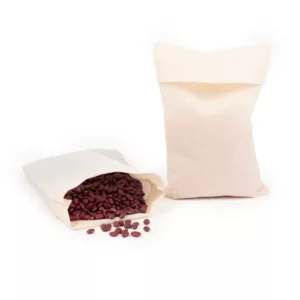
- Mineral Disruption: High mineral content—commonly known as hard water—toughens the skins of legumes during soaking and dulls the vibrant, fresh colors of blanched vegetables.
- The Fix: Using clean water for cooking isn\’t a luxury; it is a fundamental requirement for recipe consistency and optimal flavor.
Foodborne Illness Prevention
Washing raw produce is supposed to remove dirt, but what happens when the water itself is compromised? Using untreated tap water introduces serious, avoidable risks.
- Pathogen Introduction: Rinsing fresh, porous greens with unfiltered water can deposit trace bacteria and impurities directly onto the food you are trying to clean.
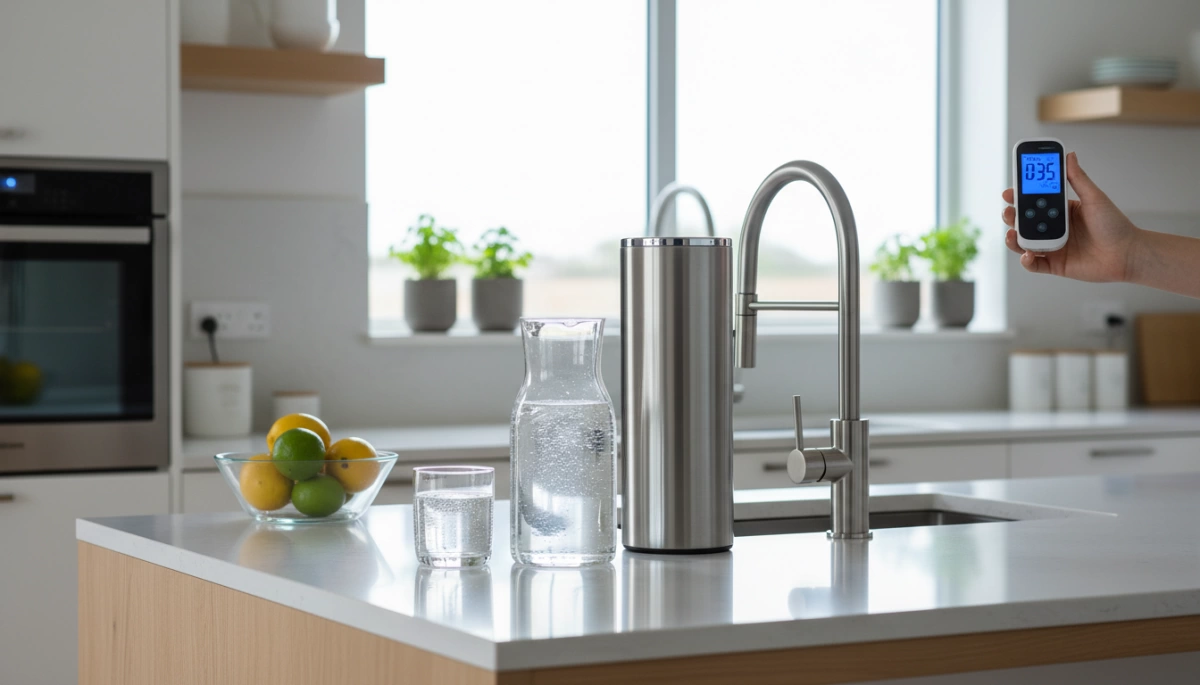
- Proactive Sanitation: Reliable kitchen water filtration, such as a high-quality countertop RO system, stops these invisible threats at the tap, ensuring your first prep step is actually a hygienic one.
- Kitchen Filtration Solutions: In modern kitchens, many households and food preparation spaces are adopting compact filtration systems to improve the quality of tap water used for cooking and washing ingredients. Companies such as Driplife offer countertop RO systems designed for convenient kitchen use, featuring easy installation, visible TDS monitoring, and improved water quality for daily drinking and food preparation.
The Cleanliness Paradox
Here is the ultimate kitchen frustration: you wash your organic produce in perfectly filtered water, dry it meticulously, and then toss it right into a cheap, unregulated plastic bag. This is the cleanliness paradox.
- Breaking the Safety Chain: Washing food with pristine water is completely pointless if you immediately place it into a non-food-grade bag or container.
- Food Contact Materials (FCM): If your storage doesn\’t utilize FDA compliant food packaging, you are simply trading waterborne pathogens for chemical leaching. True kitchen hygiene demands that the purity of your water is matched by the absolute safety of your packaging.
Food Packaging Safety and Purity
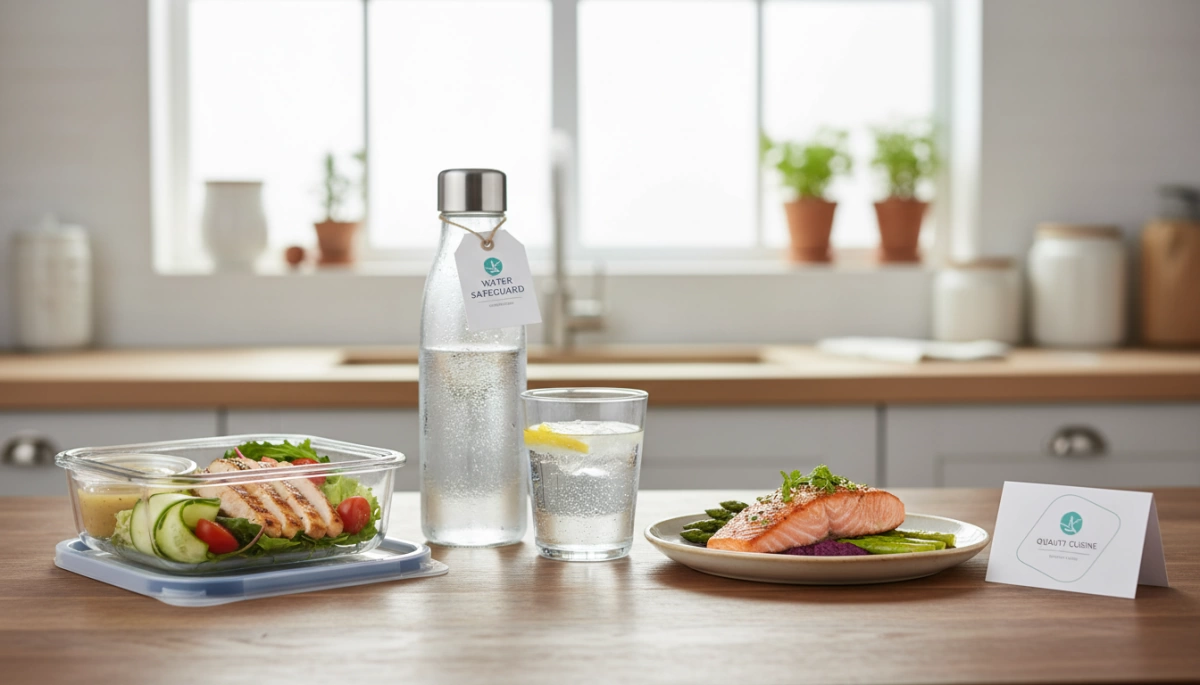
Washing your produce with purified water is pointless if you immediately drop it into a cheap, non-food-grade bag. The journey from food packaging to food preparation is a critical one, which is exactly why water quality matters in the modern kitchen just as much as the containers you use. If your storage fails, your clean water standard is entirely compromised.
The Danger of Chemical Leaching
Inferior plastics are a massive liability. When you store acidic foods or hot leftovers in low-quality containers, you risk leaching harmful chemicals like BPA, phthalates, and heavy metals directly into your meals.
- The Hazard: Toxic transfer ruins safe food handling practices and alters the taste of your food.
- The Standard: We rely exclusively on BPA-free storage solutions to keep chemical contaminants completely out of your diet.
FDA Compliant Food Packaging
We don\’t guess when it comes to keeping your kitchen safe. Real protection requires verified Food Contact Materials (FCM).
- Every storage item we produce meets rigorous FDA, RoHS, and CE certifications.
- Whether outfitting a home pantry or upgrading commercial kitchen sanitation, these certifications guarantee zero toxic migration.
- For example, when using our reliable zipper lock bags for daily meal prep, you know the material is tested, proven, and safe for direct food contact.
Temperature Resilience
Moving food from a deep freeze to a hot microwave puts immense stress on packaging. If the material breaks down, your food is instantly contaminated.
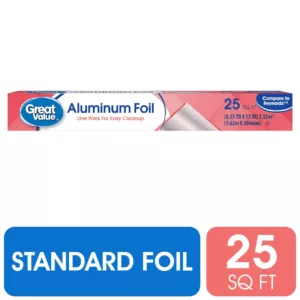
- High Heat Prep: We utilize heavy-duty, food grade aluminum foil to create a safe, heat-resistant barrier that will not degrade, melt, or off-gas in the oven.
- Cold Storage: Using premium wrap, like the durable options detailed in our [retail store cling film guide](https://www.ecoartfullife.
Locking in Freshness
High-quality packaging does more than block outside contaminants; it actively preserves the food inside. A premium seal locks in the natural moisture content and protects the texture of delicate ingredients. By securing a tight barrier, we effectively prevent cross-contamination and ensure the pristine water used during your prep stage isn\’t wasted by premature spoilage.
The Hygiene Loop: Water, Cleaning Tools, and Cross-Contamination
Water Needs a Mechanical Vehicle
We know clean water is essential, but water alone isn\’t enough to sanitize a kitchen. As a solvent, it simply lacks the friction needed to lift stubborn grease and cooked-on grime. To be an effective cleaning agent, water needs a mechanical vehicle to actually scrub the surfaces clean.
Removing Biofilms with Mechanical Cleaning
To break down biofilms—the invisible, sticky layers of bacteria on countertops and pans—you need heavy-duty scrubbing power. We rely on durable, non-shedding wiping cloths, steel balls, and the best scouring pad for stubborn stains to physically lift bacteria away from food contact surfaces. If your sponges degrade and shed material, they actively compromise your food prep space. Utilizing high-quality, eco-friendly scouring pads ensures you maintain strict kitchen hygiene standards without leaving synthetic debris behind.
Cross-Contamination Prevention
Even the purest water becomes a hazard if your cleaning tools spread bacteria. Cross-contamination prevention requires a disciplined approach to how you handle your supplies:
- Zone your cleaning tools: Assign distinct, high-quality cloths for different kitchen zones to keep raw meat areas totally separate from fresh produce stations.
- Adopt commercial practices: Take a cue from commercial kitchen sanitation by color-coding your scrubbers and cloths to eliminate guesswork.
- Protect the clean water standard: Never dip a cloth used on a contaminated surface back into your clean wash water. Replace your tools frequently to keep the hygiene loop secure.
Sustainability: The Intersection of Water Conservation and Eco-Packaging
We can\’t talk about water quality without addressing the waste we create to protect it. In the US, the definition of a \”clean kitchen\” is evolving. It is no longer just about filtering tap water; it is about the entire lifecycle of the products we use. We face a critical balancing act: reducing water waste while simultaneously minimizing the mountain of plastic waste generated by disposable storage.
The Modern Conscious Kitchen
A truly sustainable kitchen looks at the big picture. It is counterproductive to wash organic produce in purified water only to wrap it in non-recyclable, single-use plastic that will sit in a landfill for centuries. We are seeing a massive shift toward sustainable kitchen supplies that support a zero-waste lifestyle without compromising hygiene. The goal is to create a loop where clean water and clean packaging work together, rather than against the environment.
Innovate Green: Materials Matter
We are actively prioritizing eco-friendly materials. This means moving away from virgin plastics and toward biodegradable options and natural ingredients. For example, eco-friendly scouring pads made from plant fibers offer a powerful clean without shedding microplastics into your water system.
Similarly, choosing the right barrier materials is essential. Opting for high-quality aluminum foil is a smart move because aluminum is infinitely recyclable. It provides a robust barrier against contaminants and temperature changes while remaining an environmentally responsible choice compared to single-use plastics.
Production Efficiency and Automation
Sustainability isn\’t just about the end product; it is about how it is made. In our facilities, we focus on minimizing waste and energy consumption through advanced automated factory processes. By removing human error from the production line, we achieve:
- Reduced Scrap: Precision cutting drastically reduces raw material waste.
- Energy Savings: Automated lines run more efficiently and faster than manual labor.
- Consistent Quality: Fewer defects mean fewer products are thrown away before they even leave the factory.
Sourcing the Safe Kitchen Ecosystem
Quality Drives ROI and Brand Trust
For professional buyers, stocking certified, safe kitchen supplies isn\’t just about meeting compliance; it is a direct driver of ROI. Today\’s consumers are highly educated on kitchen hygiene standards. When we supply FDA compliant food packaging and RoHs certified kitchenware, we build undeniable brand trust. Retailers who understand why supermarkets prefer food-grade foil already know that guaranteed safety is what keeps hygiene-aware consumers coming back to the shelf.
Experience Meets Large-Scale Capacity
Partnering directly with an experienced OEM household products manufacturer gives your business a serious competitive edge. Here is how direct factory sourcing secures your supply chain:
- Direct Factory Benefits: Cut out the middleman for better margins and tighter quality control over all Food Contact Materials (FCM).
- Fast Lead Times: Keep inventory stocked and avoid costly supply chain bottlenecks.
- Automated Production: Rely on large-scale, automated manufacturing to ensure every single batch meets the same rigorous safety testing.
Custom OEM/ODM Solutions
No two brands are exactly alike. Utilizing advanced OEM and ODM processes allows us to create custom lines of safe kitchen products tailored to your specific market needs. From specialized food prep tools to custom packaging lines, we leverage our automated capacity to build out your proprietary safe kitchen ecosystem exactly how you envision it.