

















Every year, millions of traditional plastic scouring sponges end up polluting landfills and oceans—yet there’s a smarter, greener alternative. Sustainable materials in eco-friendly scouring sponge production are transforming how we clean, offering powerful scrubbing without the environmental baggage of plastics. If you’re curious about the game-changing shift toward biodegradable sponge materials like cellulose, loofah, and hemp—and how these innovations can help supermarkets reduce waste while delivering top performance—you’re in the right place. Let’s dive into why plant-based kitchen scrubbers are not just a trend, but a necessary step for a cleaner, greener future.
Why Traditional Scouring Sponges Are an Environmental Hazard
Traditional scouring sponges, often made from plastic-based materials and synthetic foams, pose significant environmental challenges. These common kitchen scrubbers may be effective on tough grime, but their production, use, and disposal contribute to pollution and resource depletion on a large scale.
Non-Biodegradable Waste
Most conventional sponges contain plastic fibers and synthetic abrasives that do not break down naturally. When discarded, they persist in landfills and waterways for decades, creating microplastic pollution harmful to marine life and ecosystems. Unlike biodegradable cellulose sponges or plant-based scouring pads, plastic sponges are a lasting environmental burden.
Toxic Chemicals and Manufacturing Impact
The production process often involves non-toxic sponge composition, which might sound reassuring but frequently includes harsh chemicals and fossil-fuel-derived materials. These contribute to carbon emissions and resource depletion, undermining sustainable supply chains and green manufacturing goals for cleaning tools.
Short Lifecycle and Frequent Replacement
Traditional sponges have a limited lifespan. Their quick wear leads consumers to dispose of them frequently, increasing waste volume and demand for new raw materials. This cycle intensifies environmental impact through patterns of overconsumption and waste generation.
Challenges in Recycling and Disposal
Because of their mixed-material composition, plastic scouring sponges are generally not recyclable through standard channels. Their disposal options are limited, often ending in landfills or incineration, where toxic residues can harm soil and air quality.
Rising Demand for Sustainable Alternatives
Given these environmental hazards, there is a growing market shift in the United States toward biodegradable cleaning sponge options, natural fiber abrasive sponges, and compostable dishwashing alternatives. This transition supports zero-waste sponge manufacturing practices and reduces the carbon footprint of everyday cleaning supplies.
Key Environmental Concerns of Traditional Sponges
- Persistence in ecosystems as non-biodegradable waste
- Contribution to microplastic pollution in oceans and waterways
- High carbon footprint linked to fossil-fuel-based production
- Incompatibility with recycling programs
- Frequent replacement increasing overall material consumption
In response, more businesses and consumers are adopting eco-friendly kitchen scrubbers made from renewable resources like cellulose, hemp, and loofah fibers. These sustainable materials help establish a healthier, more responsible approach to cleaning that aligns with green chemistry in sponge making and supports a circular, carbon-neutral sponge production model.
By understanding these issues, manufacturers and distributors can lead the way in supplying sponges that respect the planet without compromising performance or quality.
Core Sustainable Materials Driving Eco-Friendly Scouring Sponge Production
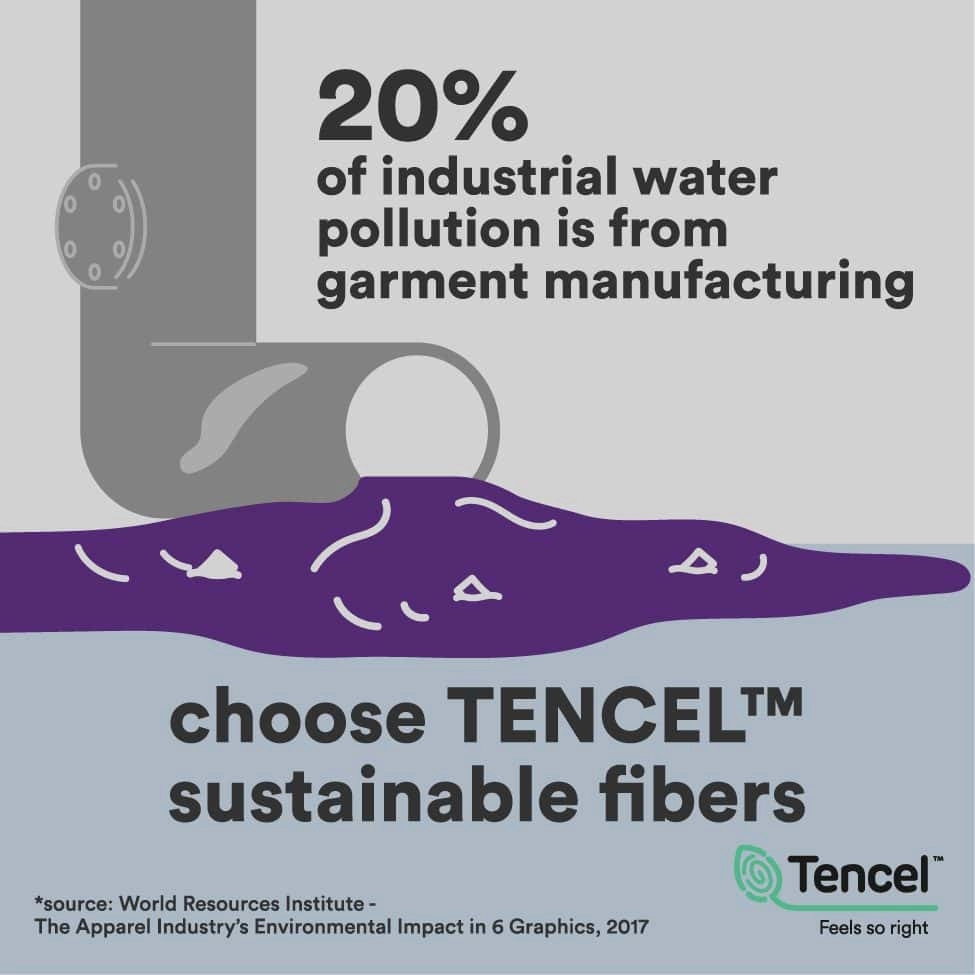
When it comes to making eco-friendly scouring sponges, choosing the right materials is key. These options help reduce waste, minimize environmental impact, and deliver effective cleaning power without relying on plastics or harmful chemicals. Here’s a closer look at the main sustainable materials shaping the future of green sponge production:
Cellulose From Wood Pulp
- Plant-based and biodegradable, cellulose sourced from wood pulp is a top choice for eco sponges.
- It breaks down naturally after use, leaving no harmful residue.
- This material offers great absorbency and gentle scrubbing, making it ideal for biodegradable cellulose sponges and compostable dishwashing alternatives.
- Often certified for eco-conscious production, it’s popular for customers who want a non-toxic sponge composition that’s safe for their families and the planet.
Loofah and Sisal Fibers
- Both loofah and sisal are natural plant fibers widely used in eco-friendly kitchen scrubbers.
- Loofah fiber production involves drying and processing the fruit of the loofah plant, turning it into a tough, fibrous scrubber perfect for tough kitchen jobs.
- Natural sisal scourers offer a slightly more abrasive texture, great for scrubbing pots and pans without scratching.
- They’re 100% compostable, helping to support zero-waste sponge manufacturing ideals.
Hemp and Coconut Husk
| Material | Benefits | Common Uses |
|---|---|---|
| Hemp | Strong, antibacterial, renewable | Sustainable hemp cleaning tools, long-lasting scrubbers |
| Coconut Husk | Coarse texture, durable, waste from coconut industry | Heavy-duty scrubbing pads, eco-abrasive grit alternatives |
- Both materials come from fast-growing, renewable plants that require less water and pesticides.
- They add durability and texture without harming the environment, perfect for US consumers focused on lasting, biobased cleaning pad innovations.
Recycled and Upcycled Options
- To further reduce waste, recycled material scrubbers from plastics or upcycled fishing net sponges are gaining traction.
- These options give discarded materials a second life and help decrease ocean pollution.
- Their production supports a sustainable supply chain for cleaners, aligning with modern customer expectations on carbon-neutral sponge production.
- While not always fully biodegradable, they reduce reliance on virgin plastic and push the industry toward greener choices.
Using these core materials, manufacturers can create sustainable abrasive pad production lines that meet both performance and environmental goals. From clean, plant-based fibers to innovative recycled materials, the future of scouring sponges is green and practical for everyday kitchen use.
Production Processes From Raw Fibers to Market-Ready Sponges
Turning sustainable materials like cellulose from wood pulp, loofah, sisal, hemp, and coconut husk into eco-friendly scouring sponges involves several careful steps. The goal is to maintain the natural properties while ensuring the final product meets performance requirements similar to traditional plastic-based scrubbers.
Sourcing and Preparing Raw Fibers
The process starts with selecting high-quality, biodegradable fibers. For example:
- Cellulose fibers come from sustainably harvested wood pulp, cleaned and processed without harmful chemicals.
- Natural plant fibers like loofah, sisal, hemp, and coconut husk are gathered, dried, and sometimes softened for flexibility.
- Recycled and upcycled materials, such as fishing nets or fabric scraps, are cleaned and shredded for reuse.
Fiber Treatment and Blending
Next, raw fibers undergo treatment to improve durability and texture:
- Fibers may be mechanically processed to increase softness or roughness, depending on the cleaning purpose.
- Some manufacturers use plant-based binders or non-toxic adhesives to hold fibers together without compromising biodegradability.
- Blending different fibers can optimize sponge abrasiveness and lifespan. For example, combining cellulose with sisal creates a sturdy yet gentle scrubber.
Forming the Sponge Shape
Once fibers are ready, they are formed into sponges using eco-friendly methods:
- Fibers are layered or molded into sheets or block forms with natural adhesives.
- Techniques like hydroentangling or needle punching are used to interlock fibers tightly without synthetic glues.
- For compostable dishwashing alternatives, the final shapes are designed for easy rinsing and fast drying.
Drying, Cutting, and Finishing
After forming, the sponges go through drying processes that avoid excessive energy use:
- Air drying or low-heat methods preserve the natural fiber qualities.
- Sponges are then cut into market-ready sizes with precision tools, maintaining uniform thickness and shape.
- Final touches may include trimming or adding hangers made from natural twine or recyclable materials.
Quality Control and Packaging
Before reaching consumers, each batch undergoes quality testing to ensure:
- Proper durability and scrubbing efficiency.
- Non-toxic, safe-to-use composition.
- Compliance with eco-friendly pad certifications and sustainability standards.
Packaging reflects the product ethos, using recycled or biodegradable wraps that align with zero-waste sponge manufacturing.
By focusing on these production steps, manufacturers create plant-based scouring pads and natural sisal scourers that perform well, last long, and reduce environmental impact—meeting the growing demand for sustainable kitchen scrubbers in the U.S. market.
For more insights on eco-friendly scouring products, you can explore our detailed guide on scouring pads and discover how to switch to greener cleaning tools.
Benefits and Performance Matching Plastic Without the Planets Price
Switching to eco-friendly kitchen scrubbers made from sustainable materials doesn’t mean you have to compromise on cleaning power. In fact, biodegradable cellulose sponges and natural fiber abrasive sponges can perform just as well as traditional plastic scouring pads—with big benefits for the environment.
Performance That Holds Up
Here’s how these sustainable sponges stand toe-to-toe with plastic options:
| Feature | Plastic Scouring Sponges | Sustainable Eco-Friendly Sponges |
|---|---|---|
| Scrubbing Power | Strong but can scratch surfaces | Effective, gentle enough for most surfaces |
| Durability | Long-lasting, but non-biodegradable | Durable enough for daily use; fully compostable |
| Water Retention | Holds water, but can trap bacteria | Absorbs well and dries faster, reducing odor |
| Eco-Impact | Non-biodegradable, pollutes landfills | 100% biodegradable, compostable materials |
| Chemical Safety | Often contains synthetic chemicals | Non-toxic, made from plant-based fibers |
Why Choose Sustainable Sponges
- No Plastic Waste: These pads break down naturally, avoiding landfill build-up.
- Compostable Dishwashing Alternatives: After use, you can toss them in your compost bin.
- Zero-Toxic Chemical Content: Safe for your home and family.
- Renewable Raw Materials: Made from fast-growing plants like hemp, coconut husk, and sisal.
- Less Odor and Mold Growth: Natural fibers dry quicker, cutting down on bacteria growth.
Cost Does Not Mean Sacrifice
Many people worry eco-friendly means expensive or less effective. But with green manufacturing for scouring pads improving, these products are competitively priced and built to last. The slight upfront investment pays off as you contribute to a sustainable scouring pad lifecycle, lowering your carbon footprint without sacrificing value.
In short, with plant-based scouring pads and natural sisal scourers, you get a cleaning tool that’s just as tough as plastic—minus the environmental hit. Choosing biodegradable options means cleaner homes and a cleaner planet.
Artfullife Your Partner in Custom Eco Scouring Sponge Supplies
At Artfullife, we understand the growing demand for sustainable materials in eco-friendly scouring sponge production. As a trusted custom supermarket supplies supplier, we specialize in delivering biodegradable cleaning sponge options tailored to meet the needs of U.S. retailers and consumers who care about both performance and the planet.
Why Choose Artfullife for Your Eco-Friendly Sponge Needs
- Custom Solutions: We work closely with you to design plant-based scouring pads that align with your brand and customer preferences. Whether you need sponges made from natural sisal scourers, hemp fibers, or recycled material scrubbers, we adapt our production to your specifications.
- Sustainable Supply Chain: Our sourcing prioritizes renewable resources in cleaning tools and uses recycled and upcycled materials like fishing net sponges, reducing waste from start to finish.
- Green Manufacturing: With carbon-neutral sponge production and low-impact manufacturing techniques, Artfullife ensures your products contribute to a zero-waste sponge manufacturing model.
- Certified Eco-Friendly Products: We offer eco-friendly pad certifications to back the quality and sustainability claims of your scouring pads, assuring your customers they’re choosing safe, non-toxic, and compostable dishwashing alternatives.
What Sets Our Eco Scouring Sponge Supplies Apart
- Durable and Effective: Our sponges perform just as well as traditional plastic pads without sacrificing durability or cleaning power.
- Tailored to the U.S. Market: We understand local customer habits and preferences, ensuring our natural fiber abrasive sponges meet U.S. kitchen cleaning demands.
- Commitment to Innovation: Constantly evolving our product lineup with biobased cleaning pad innovations and eco-abrasive grit alternatives so your inventory stays ahead of green trends.
Partner with Artfullife for your next batch of eco-friendly kitchen scrubbers. We deliver dependable, customizable, and truly sustainable scouring solutions that resonate with today’s environmentally conscious consumers.