















Are you tired of struggling with messy, shapeless poached eggs? Perfectly poaching eggs can feel like a culinary challenge, but there’s a game-changing trick that makes it effortless: cling film.
As a home cook, I’ve learned that the right technique can transform your kitchen experience. With this mess-free egg poaching method, you’ll get flawless, restaurant-quality eggs every time—no fuss, no stress.
In this guide, you’ll discover a simple, step-by-step way to poach eggs with cling film, along with tips to avoid common pitfalls and elevate your dishes. Ready to master this cooking hack with Artfullife’s food-grade cling film?
Let’s get cracking!
Why Poach Eggs with Cling Film
Benefits Over Traditional Poaching
Poaching eggs with cling film offers several advantages compared to the classic method. First, you get neat, perfectly shaped eggs every time. Unlike dropping eggs directly into water, the cling film pouch keeps the egg contained, preventing it from spreading out or breaking apart. This makes your poached eggs look restaurant-quality without the fuss.
Another big plus is less clean-up and mess. Traditional poaching can leave residue in your pot or require vinegar and slotted spoons. With cling film poaching, all you need to do is boil the sealed pouch, making cleanup simple and quick.
Finally, this method gives you better control over cooking time and consistency. Since the egg is sealed, the heat transfers evenly, helping you achieve your preferred yolk texture—from soft runny to firm—without surprise results.
Food Safety and Using Food-Grade Cling Film
Safety is key when cooking with plastic wrap. Not all cling films are made equal—only food-grade cling films designed for cooking should be used for poaching eggs. These wraps must withstand boiling temperatures without melting or releasing harmful chemicals.
Artfullife offers high-quality food-safe cling film that meets strict safety standards. Their products are specially designed for cooking use, ensuring your poached eggs are not only tasty but also safe for you and your family.
Environmental and Health Considerations
If you’re concerned about the environmental impact, look for eco-friendly cling film options. Some brands, including Artfullife, provide alternatives made from biodegradable or compostable materials that still protect your food and stand up to heat.
Using food-grade, eco-conscious cling films supports better health and sustainability without sacrificing convenience. It’s a small step that aligns with cleaner cooking and reduces plastic waste.
Poaching eggs with cling film is a smart, clean, and consistent way to elevate a simple egg dish. Choosing the right food-safe film like Artfullife’s ensures safety and quality, while also letting you keep an eye on environmental impact.
What You Need for Poaching Eggs with Cling Film
Before you start poaching eggs with cling film, it’s important to have the right ingredients and materials on hand to ensure a smooth process and perfect results.
Essential Ingredients
- Fresh eggs – Fresh eggs work best for poaching. Their whites hold together better, giving you neat, perfectly shaped poached eggs without extra fuss.
Recommended Cling Film
- Food-grade cling film – Always choose food-safe plastic wrap designed for cooking. I recommend Artfullife’s food-grade cling film, trusted for its safety and quality. Using the right cling film means you avoid chemical risks while ensuring the film holds up during cooking.
Cooking Setup
- Boiling water pot or sous vide setup – You’ll need a pot of boiling water or a sous vide machine to cook your eggs evenly. Both options let you control water temperature, which is key to getting consistent yolk doneness.
Kitchen Tools
Make sure to have these handy:
- Bowl – For cracking your egg before transferring it to the cling film pouch.
- Spoon – To help gently lower the pouch into the boiling water and scoop the finished egg out.
- Scissors – For cutting the cling film to the right size.
- Timer – Precise timing is essential to avoid under or overcooked poached eggs.
By gathering these items—fresh eggs, food-grade cling film (Artfullife recommended), proper boiling tools, and basic kitchen utensils—you’re all set to enjoy clean, mess-free poaching with consistent, restaurant-quality results every time.
Step by Step Guide to Poaching Eggs with Cling Film
Preparing the Cling Film Pouch
Start by cutting a piece of food-grade cling film large enough to create a pouch—about 12 by 12 inches works well. Make sure to use Artfullife’s recommended cling film, which is safe for cooking and designed for poaching eggs. Lightly oil the cling film to help prevent the egg from sticking.
Cracking the Egg into Cling Film
Create a small pouch by gathering the cling film into a loose cup shape. Crack a fresh egg directly into the center of this pouch. Using fresh eggs will give you the best shape and texture when poached.
Sealing the Pouch Securely
Twist the edges of the cling film pouch tightly, making sure there are no gaps where boiling water could enter. You can use a twist tie or kitchen string to seal it securely. This step is crucial for keeping the egg intact and maintaining the perfect poached shape.
Cooking in Boiling Water Timing and Temperature Guidelines
Bring a pot of water to a gentle boil (around 180-190°F if you have a thermometer). Carefully lower the sealed cling film pouch into the water. Here’s a timing guide for perfectly poached eggs:
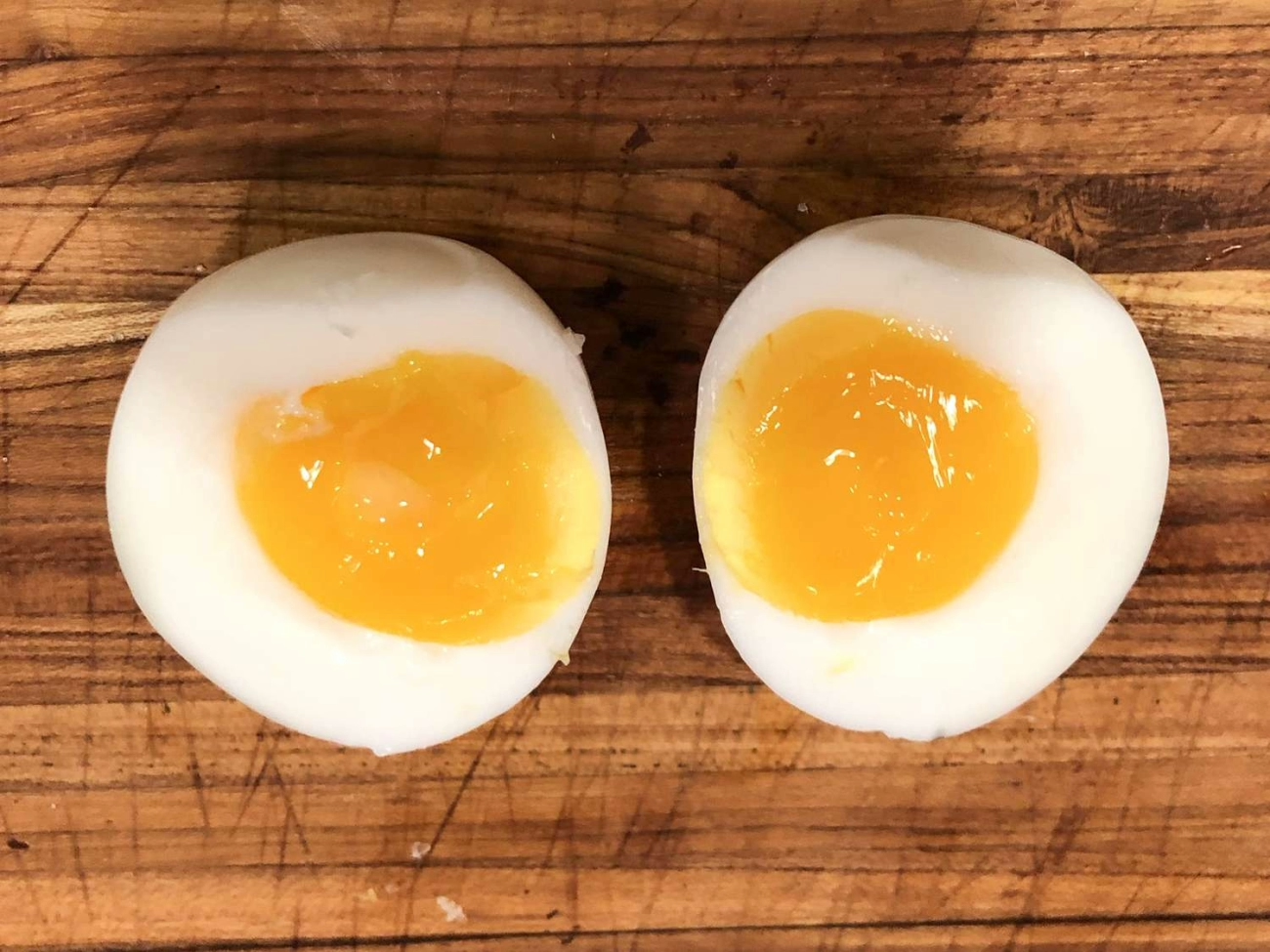
- Soft yolk: 3 to 4 minutes
- Medium yolk: 5 to 6 minutes
- Firm yolk: 7 minutes
Keep the water at a low simmer to avoid rupturing the pouch. Alternatively, you can use a sous vide setup for more precise temperature control.
Removing and Serving Tips
Use a slotted spoon to carefully lift the pouch out of the water. Let it cool for 20–30 seconds to avoid burns. Cut open the pouch gently and slide the perfectly shaped poached egg onto your plate or toast. The cling film method makes serving neat and mess-free every time.
Troubleshooting Common Issues with Poached Eggs Using Cling Film
Poaching eggs with cling film is straightforward, but sometimes problems pop up. Here’s how to fix the most common issues for perfect results every time.
Eggs Sticking to Cling Film or Breaking
Why it happens:
Eggs can stick if the cling film isn’t properly oiled or if the pouch isn’t sealed tightly. Breaking can happen when handling the pouch roughly or if the film is too thin or low-quality.
How to fix it:
Use a light coating of oil or cooking spray inside the cling film pouch before adding the egg. This creates a non-stick barrier.
Choose a good quality food-grade cling film like Artfullife’s, designed to hold up in boiling water without tearing.
Seal the pouch tightly to avoid water seeping in and breaking the egg. Twist or tie the film securely but gently.
Handle the pouch carefully when placing it in and removing it from boiling water.
Wrong Timing Leading to Overcooked or Undercooked Yolks
Why it happens:
Cooking time in cling film can vary based on egg size, starting temperature, and method.
Timing guidelines:
- For a runny yolk, cook about 4 minutes in boiling water.
- Medium yolk takes closer to 5-6 minutes.
- Fully firm yolks may need 7 minutes or more.
Tip: Use a kitchen timer and test with one egg before cooking multiple. Keep in mind that eggs warmed before cooking will need slightly less time than refrigerator-cold eggs.
Adjusting for Altitude or Water Temperature Variations
At higher altitudes, water boils at lower temperatures, which affects cooking times.
Adjust like this:
- Expect longer cook times at altitude—add 1–2 minutes depending on how high you are.
- If you’re using a sous vide setup, keep the temperature steady (usually around 75–80°C / 167–176°F) for consistent results.
- For stove-top boiling, try simmering instead of boiling vigorously to avoid damaging the egg pouch.
Reusability and Disposal Tips for Cling Film Pouches
Most cling film used for poaching is single-use due to hygiene and safety concerns once raw egg is involved.
Recommendations:
- Dispose of used cling film properly—do not reuse to avoid contamination or tearing.
- Consider eco-friendly or biodegradable cling film options like those offered by Artfullife to reduce environmental impact.
- For zero waste, try silicone reusable cooking bags as an alternative, but check if they suit poaching needs.
By following these troubleshooting tips and using the right cling film, you’ll enjoy perfectly poached eggs every time with minimal mess and fuss.
Recipe Ideas and Serving Suggestions for Poached Eggs with Cling Film
Using the cling film egg poaching method opens up a world of delicious, perfectly cooked eggs that fit easily into a variety of dishes. Here are some easy ways to enjoy your poached eggs in cling film:
Classic Poached Egg on Toast
A simple, timeless choice. The neat, perfectly shaped cling film poached egg sits beautifully on buttered toast or an English muffin. Its soft, silky yolk oozes right on the bread for a quick, satisfying breakfast or snack.
Eggs Benedict Made Easy with Cling Film
Forget fussing with hollandaise or worrying about messy poaching water. Using cling film poached eggs, you can achieve consistent, restaurant-quality eggs every time. Layer them on an English muffin with Canadian bacon and pour over your favorite hollandaise sauce for a straightforward, impressive brunch.
Salads Ramen and Other Dishes
Perfectly shaped poached eggs using cling film also elevate a wide range of meals. Add them to hearty salads for extra protein and a creamy texture, or top a steaming bowl of ramen for that ideal soft-yolk finish. They’re great for grain bowls, avocado toast, or even pasta dishes where you want that silky egg yolk to melt into the other ingredients.
Quick Tips for Serving
- Carefully remove the egg from the cling film pouch to keep the shape intact
- Serve immediately, or chill and gently reheat in warm water to maintain that soft yolk
- Pair with light seasoning like salt, pepper, or fresh herbs to enhance the natural flavor
With these recipe ideas, using cling film for poaching eggs makes it easier than ever to enjoy consistent, mess-free, perfectly shaped eggs across your favorite meals.
Frequently Asked Questions about Poaching Eggs with Cling Film
Is Cling Film Safe for Cooking Eggs
Yes, food-grade cling film designed for cooking is safe to use when poaching eggs. It’s important to use food-safe plastic wrap that can handle high temperatures without melting or releasing harmful chemicals. Avoid cling films with PVC or additives not meant for heat exposure. Brands like Artfullife offer non-toxic, heat-resistant cling film that’s perfect for poaching eggs safely and cleanly.
Can I Reuse Cling Film Pouches for Poaching Eggs
No, it’s best not to reuse cling film pouches after cooking. Once heated, cling film loses its integrity and may develop tears or become unsafe. Reusing can increase the risk of contamination and breakage during cooking. For consistent results and food safety, use a fresh pouch each time you poach eggs with cling film.
Alternative Materials for Poaching Eggs
If you prefer not to use cling film, there are other options for poaching eggs:
- Silicone poaching cups or pods – reusable and heat-resistant, these offer a mess-free alternative.
- Reusable silicone bags – designed for sous vide and cooking, they can double as poaching pouches.
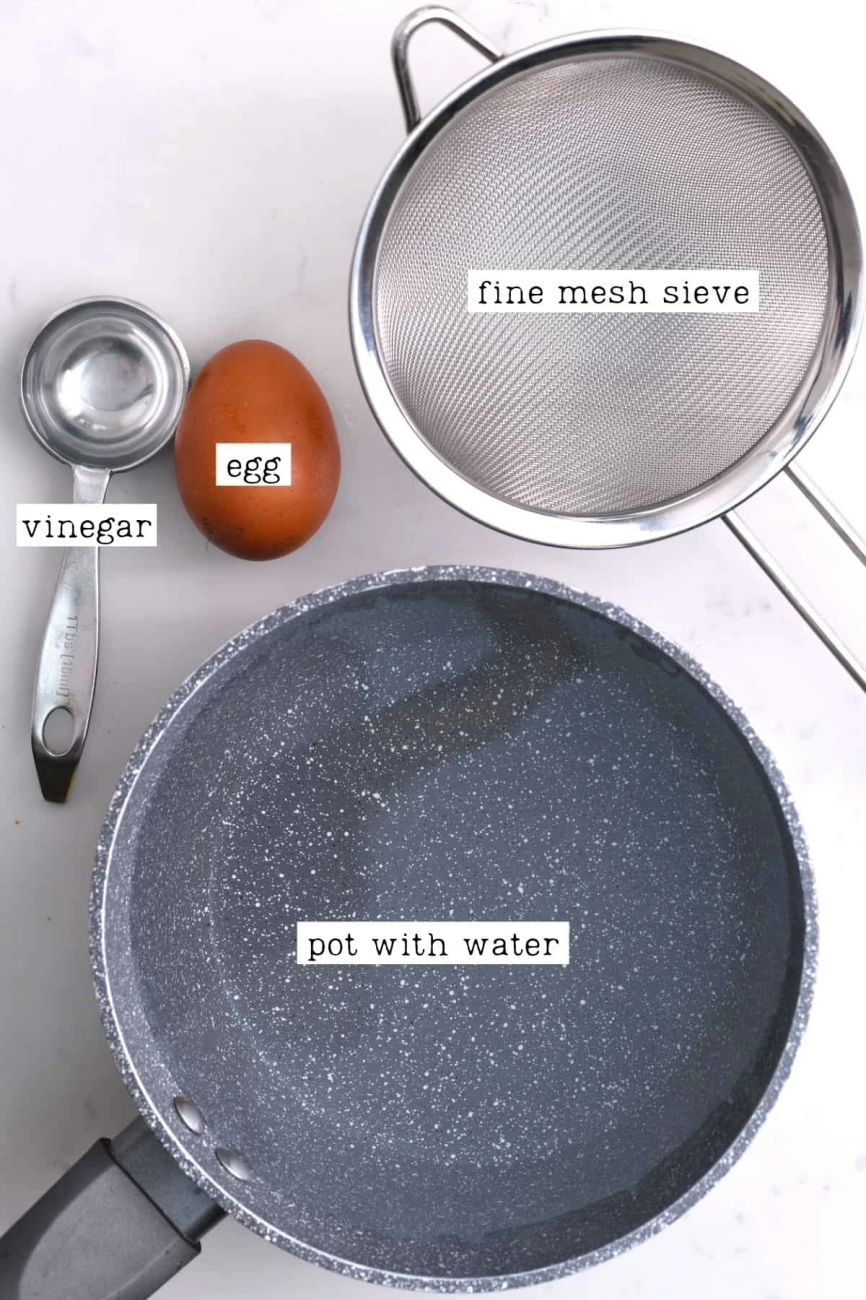
- Traditional poaching methods – water with a splash of vinegar or using a gentle simmer for shaping eggs naturally.
Each alternative has pros and cons, but cling film remains popular for perfectly shaped poached eggs and easy clean-up.
Storage Tips for Poached Eggs Made with Cling Film
- Cool poached eggs quickly by placing them in cold water right after cooking to stop the heat.
- Store poached eggs in a covered container in the fridge for up to 2 days.
- To reheat, gently warm eggs in hot water or the microwave on low power to keep yolks runny.
- Using cling film helps maintain moisture and shape, making storage and reheating easier without dryness or sticking.
Using cling film pouches not only simplifies cooking but also helps keep your poached eggs fresh and ready for quick meals later.
Why Choose Artfullife for Your Food Grade Cling Film and Kitchen Supplies
When it comes to poaching eggs with cling film, the quality and safety of your plastic wrap matter a lot. That’s where Artfullife stands out as a trusted choice for food-grade cling film and kitchen supplies designed specifically for cooking and food prep.
Trusted Brand with Food Safety Focus
Artfullife is a leading food-grade supermarket supplier known for providing safe, reliable kitchen essentials. Their cling film is made to meet strict food safety standards, ensuring it’s non-toxic, BPA-free, and heat-resistant. This means you can poach eggs using cling film without worrying about harmful chemicals leaching into your food—crucial for safe and healthy cooking.
High Quality and Consistency
One of Artfullife’s main benefits is the consistent quality of their cling film. It’s strong enough to create secure pouches for eggs, preventing leaks, sticking, or breakage during boiling. This allows home cooks and culinary pros alike to achieve perfectly shaped poached eggs every time with minimal mess.
Commitment to Supporting Home Cooks and Culinary Professionals
Artfullife doesn’t just sell cling film—they back it up with professional-grade kitchen supplies and thoughtful customer support. Whether you’re an everyday cook or a culinary expert, their products are designed to make cooking easier and cleaner. They provide clear guidelines and tips on safely using cling film for poaching eggs and other innovative prep methods.
By choosing Artfullife, you’re investing in food-safe cling wrap designed for real kitchen use, backed by a brand committed to quality, safety, and supporting your cooking success every step of the way.