
















Are you running a catering business and looking for the best way to package your food safely and efficiently? PE food bags for catering businesses might just be the solution you need. These polyethylene bags offer a reliable, food-safe packaging option that keeps your meals fresh, secure, and easy to handle—whether you’re prepping for delivery, storage, or on-site service.
In this guide, you’ll discover why PE food bags are quickly becoming a favorite among caterers, what features to look out for, and how to source the right bags without breaking the bank. Plus, we’ll introduce you to Artfullife—your trusted supermarket supplier offering top-quality PE bags designed specifically with catering businesses in mind.
Ready to upgrade your food packaging game? Let’s dive in!
What Are PE Food Bags for Catering Businesses
PE food bags are packaging bags made from polyethylene (PE), a versatile and widely used plastic material. Catering businesses rely on these bags because they offer reliable food-safe storage solutions that meet hygiene standards while keeping food fresh.
Material Composition and Types of Polyethylene
PE bags are primarily made from two types of polyethylene:
- Low-Density Polyethylene (LDPE)
- Soft and flexible
- Excellent clarity and transparency
- Common in resealable and freezer-safe bags
- High-Density Polyethylene (HDPE)
- Stiffer and stronger
- More resistant to punctures and tears
- Often used for heavier or bulk food packaging
Both types are food-grade and approved for direct contact with foods, making them safe for catering needs.
Common Specifications for Catering PE Food Bags
When choosing PE food bags for catering, you’ll want to consider a few key specs:
- Sizes: Small portion bags (1-2 oz) to large bulk bags (up to several gallons)
- Thickness: Measured in microns or mills; typical range is 1.5 to 6 mils
- Transparency: Most PE bags are clear or semi-clear, ideal for easy food identification; however, opaque versions are available to protect foods sensitive to light
These specs ensure the bags are practical and suited for various foods—from dry snacks to wet, frozen, or oily ingredients.
PE Food Bags Compared to Other Packaging Materials
Catering businesses weigh PE bags against other common packaging options like paper and biodegradable plastics. Here’s how PE bags stand out:
| Feature | PE Food Bags | Paper Packaging | Biodegradable Plastics |
|---|---|---|---|
| Durability | High resistance to moisture, tears, and cold | Less resistant, weak when wet | Varies, often less durable |
| Food Safety | Food-grade, FDA approved | Depends on coating, less uniform | Emerging standards, less tested |
| Reusability | Reusable and recyclable | Usually single-use | Designed to decompose, less reusable |
| Cost | Cost-effective, available in bulk | Generally cheaper but less durable | Higher cost, limited suppliers |
| Transparency | Clear for easy content view | Usually opaque | Usually transparent or translucent |
For catering businesses, PE food bags offer a superior balance of strength, hygiene, and cost which is why they remain a top choice for food storage and packaging.
Why Catering Businesses Prefer PE Food Bags for Catering
When it comes to catering food storage solutions, PE food bags are a top choice for many catering businesses around the US. Here’s why they stand out:
Food Safety and Hygiene Compliance
PE food bags are made from food-grade polyethylene, which meets strict FDA and local safety regulations. This ensures the bags are free from harmful chemicals and safe for direct contact with all types of food. For catering businesses, maintaining hygiene is non-negotiable, and these bags help prevent contamination, keeping food fresh and safe.
Durability and Strength for All Food Types
Whether storing wet or dry foods, fresh or frozen, PE bags deliver the strength and flexibility needed. They resist tears and punctures better than many other packaging materials, which means they can safely hold heavy or irregularly shaped items without breaking. This durability is especially valuable during transport and storage when food needs reliable protection.
Cost Effectiveness and Bulk Availability
Catering businesses often operate on tight margins. PE food bags offer a cost-effective option without sacrificing quality. Plus, they are widely available in bulk food packaging bags, allowing you to save more by buying large quantities. This bulk availability helps caterers keep their operations running smoothly and economically.
Customization Options for Branding and Function
Caterers can benefit from custom printed food bags to feature logos, instructions, or branding, adding a professional touch to meal presentations. PE bags come in various sizes and feature options such as resealable ziplocks or heat seals that ensure convenience and freshness. This flexibility supports diverse catering needs, from meal prep to takeout packaging.
Environmentally Friendly and Reusable Options
Many suppliers now offer biodegradable PE food bags or recyclable versions that align with growing environmental goals. PE bags can often be reused for storage, reducing waste and supporting sustainability practices crucial in today’s market. Offering eco-friendly packaging options also appeals to customers who prioritize green initiatives.
In short, PE food bags for catering combine food-safe material, strength, affordability, customization, and environmental responsibility—all key factors that make them the preferred choice for professional catering businesses in the US.
Key Features to Consider When Choosing PE Food Bags for Catering
When picking PE food bags for catering businesses, several important factors come into play to make sure you get the right fit for your needs. Let’s break down what to look for so your food stays safe, fresh, and well-presented.
Food-Grade Certification and Compliance
First and foremost, always go for food-grade certified polyethylene food bags. Look for approvals from organizations like the FDA or NSF, which guarantee the bags meet US food safety standards. Compliance with local health regulations is a must, especially when handling perishable or ready-to-eat items. This lowers contamination risks and keeps your kitchen up to code.
Thickness Tear Resistance and Durability
The thickness of PE bags, measured in microns, greatly affects performance. Thicker bags offer better tear resistance and durability, ideal for carrying heavier or sharp-edged foods. Typical catering needs range from 30 to 100 microns:
- Thinner bags (30-50 microns): Good for lightweight or dry foods.
- Thicker bags (70+ microns): Better for wet, frozen, or heavy items needing extra protection.
Opting for the right thickness prevents leaks and splits during transit.
Sealability and Closure Options for Catering Food Storage
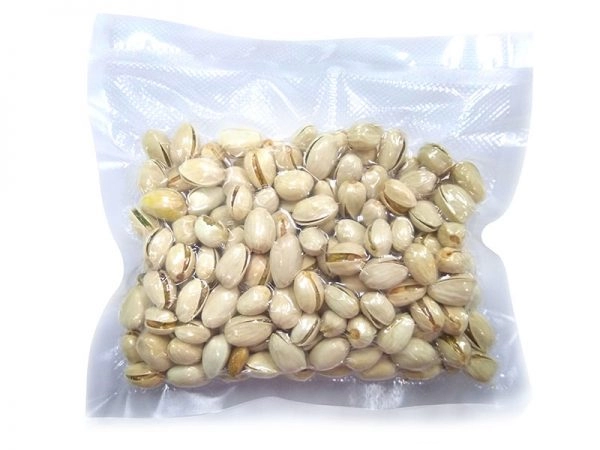
How your bags seal is also key. Many caterers prefer resealable food bags for catering, like ziplock closures, because they’re easy to open and reseal, maintaining freshness. Others might use heat sealable PE bags for airtight sealing, perfect for longer storage or freezer use.
Consider these closure types based on your needs:
- Ziplock seals: Reusable and quick access.
- Heat seal: Secure, tamper-evident, ideal for freezing.
- Adhesive strips: Convenient but less durable for heavy or wet foods.
Size and Capacity for Different Catering Needs
Catering involves a mix of portion sizes—from individual servings to bulk storage. Choosing the right size and capacity helps with efficient storage, portion control, and waste reduction. Common sizes include:
- Small bags (quart size) for portioning sauces, herbs, or snacks.
- Medium bags (gallon size) for prepared meals or larger ingredients.
- Large bags (several gallons) for bulk storage of raw ingredients.
Having a variety of sizes on hand keeps your kitchen flexible.
Transparency Versus Opacity
The look of the bag can impact presentation and ease of use. Transparent PE food bags let you see the contents immediately, speeding up kitchen operations and making it easier for clients to identify items.
Pros of transparent bags:
- Quick visual check
- Great for showcasing product freshness
If privacy or UV protection is needed, opaque or printed bags are a better choice. They can also be customized with branding, useful for a professional image.
When you factor in these features—certification compliance, thickness, seal type, size, and visibility—you’ll find the perfect PE food bags to match your catering business demands. This attention to detail keeps food safe, fresh, and looking professional from prep to delivery.
Popular Uses of PE Food Bags for Catering Businesses
PE food bags are a staple in catering for many practical reasons. Their versatility and reliability make them perfect for a range of tasks, helping caterers maintain quality, safety, and efficiency.
Storage of Raw and Prepared Foods
One of the main uses of polyethylene food bags is safely storing both raw and prepared foods. These bags keep ingredients fresh and protected from contaminants, which is crucial for food safety compliance. Whether it’s raw vegetables, meats, or fully cooked meals, PE bags provide a clean, hygienic barrier that prevents cross-contamination.
Portion Control and Meal Prep Packaging
Catering businesses often need to prepare meals in consistent portions. Using PE bags helps with:
- Accurate portioning to meet customer or event requirements
- Easy sealing to lock in freshness
- Quick identification with transparent bags, allowing easy content visibility without opening
This makes meal prep packaging smoother and reduces food waste by allowing precise servings.
Transportation and Delivery Containers
For food deliveries and event catering, PE food-safe bags are a reliable option. Their durability and tear resistance ensure that food stays secure during transport, whether wet, dry, or frozen. These bags are lightweight yet strong enough to handle bumps and temperature changes throughout the delivery process.
Safe Freezer and Fridge Storage
PE food bags excel in freezer and fridge use. Their freezer safe qualities prevent freezer burn and moisture loss, extending the shelf life of stored items. They also help organize ingredients and prepared foods neatly in cold storage, which is critical for any busy catering operation managing large inventories.
For more options on freezer-safe solutions, you can check this page on freezer bags for food storage.
Waste Reduction Through Portioning and Sealing
Reducing waste is huge for catering businesses looking to cut costs and maintain sustainability goals. PE bags help by:
- Allowing smaller portions to be sealed and stored without spoiling
- Helping keep leftover foods fresh for reuse or safe disposal
- Reducing the need for bulky packaging, lowering material waste
Using resealable PE bags also promotes easier inventory management and reduces food spoilage, making your operation more efficient.
PE food bags for catering serve multiple essential roles. From food storage and portioning to safe transport and waste reduction, these bags help caterers meet their daily challenges with a reliable, food-safe packaging solution. For more on practical storage options, see our guide to vegetable storage bags for refrigerator.
How to Source High-Quality PE Food Bags Locally for Catering Businesses
Finding high-quality PE food bags for catering is essential to keep your kitchen running smoothly and maintain food safety. Working with a reliable local supplier gives you the advantage of fast delivery and easier bulk ordering—which is a big plus when you need to restock quickly.
Why Local Suppliers Matter
- Fast turnaround: Local suppliers cut down shipping time, so you get your catering food storage solutions when you need them.
- Bulk ordering convenience: Buying in bulk saves money and reduces the risk of running out during busy times.
- Better communication: Working with someone nearby means quicker responses and personalized service.
What to Look for in a PE Food Bag Supplier
When picking a supplier, keep an eye on these key factors:
- Certifications and compliance: Make sure they provide food-grade bags that meet FDA, NSF, and local food safety standards.
- Product variety: You’ll want access to different sizes, thicknesses, and options like resealable or freezer-safe bags.
- Customer service: Responsive support helps you resolve issues quickly and customize orders if needed.
Why Choose Artfullife for Your Catering Food Packaging Needs
At Artfullife, we understand the unique demands of the US catering market. Here’s why we stand out:
- Wide product range: From bulk food packaging bags to custom printed and biodegradable PE food bags, we cover all your needs.
- Quality assurance: Our PE food bags are food-safe, durable, and reliable, perfect for everything from raw ingredient storage to delivery.
- Dedicated support: We offer expert guidance to help you choose the right products, plus fast, dependable delivery to keep your kitchen stocked.
- Local presence: Being a local supermarket supplier means you benefit from quick service and tailored solutions.
By sourcing your PE food bags from a trusted local supplier like Artfullife, you get quality, variety, and peace of mind—all critical for smooth, safe catering operations.
Cost Considerations and Bulk Purchasing Tips for PE Food Bags for Catering Businesses
When it comes to PE food bags for catering businesses, cost is a key factor every caterer needs to manage well. Understanding what drives pricing and how to buy smartly can save you money without sacrificing quality.
Pricing Factors to Keep in Mind
Several factors affect the cost of polyethylene food bags:
- Quality and Material Type: Bags made from higher-grade polyethylene, like food-safe LDPE or HDPE, often cost a bit more but offer better durability and food safety compliance.
- Quantity Ordered: Buying in larger quantities usually lowers the cost per bag significantly.
- Customization Options: Features like custom printing, resealable zippers, or specific bag sizes can increase the price.
- Thickness and Features: Thicker bags with better tear resistance and special closures like heat seal or ziplock will add to the cost.
How Bulk Purchasing Saves Money
Catering businesses that buy bulk food packaging bags see the best value by:
- Reducing Unit Cost: The more you buy at once, the lower the price per bag.
- Cutting Down Frequent Orders: Bulk orders mean fewer purchasing cycles, saving time and shipping fees.
- Ensuring Stock Availability: Having enough bags in stock prevents costly last-minute orders or substitutions.
Suppliers like Artfullife specialize in catering food storage solutions and offer competitive bulk pricing, quality assurance, and fast delivery—perfect for busy local businesses.
Estimating Your Monthly Needs to Avoid Waste
To avoid overbuying, calculate usage based on:
- Average Daily Portioning: How many meals or servings are packed daily?
- Type of Food Packaged: Wet, dry, frozen—some require thicker or specialized bags.
- Storage and Delivery Patterns: Consider how often you store or deliver food and the size of those orders.
- Seasonal Fluctuations: Catering demand may vary—plan ahead to stock appropriately.
By keeping an eye on these, you can order just enough PE bags to meet demand and reduce waste from expired or unused packaging.
For more details on food-safe packaging options and resealable bags that work well with catering needs, check out food-safe plastic bags and sealer bags at Artfullife.
Caring for and Using PE Food Bags Safely in Catering
Proper care and handling of PE food bags for catering are crucial to maintain their quality and ensure food safety. Here’s how you can get the most out of your polyethylene food bags while keeping everything up to code.
Handle and Store PE Food Bags Correctly
- Keep bags in a cool, dry place away from direct sunlight to prevent weakening or warping.
- Store them in their original packaging or a clean container to avoid dust, dirt, and pests.
- Avoid overloading bags beyond their specified thickness and size limits to reduce tearing or punctures.
Avoid Contamination and Cross-Contamination
- Use different bags for raw and cooked foods to prevent cross-contamination—a must for any catering food storage solutions.
- Always wash hands and sanitize surfaces before handling PE food bags.
- Don’t reuse bags that contained raw meats or other high-risk foods unless they are designed for multiple uses and you clean them properly.
- Label bags clearly with contents and dates to track freshness and prevent mix-ups in busy kitchens.
Reuse and Recycling Best Practices
- Many polyethylene food bags are recyclable. Check local recycling programs to properly dispose of used PE bags.
- Reusable PE bags with resealable features help reduce waste. However, clean them thoroughly between uses.
- Consider eco-friendly alternatives like biodegradable PE food bags if your catering business wants to enhance environmental responsibility.
- Educate staff on disposal and recycling protocols to support your business’s sustainability goals.
By following these steps, you not only maintain the durability and food safety compliance needed in catering but also support efficient, cost-effective operations that prioritize hygiene and environmental care.