

















Understanding Global Import & Export Data Analysis
When I talk with buyers in US retail and supermarkets, the same questions come up again and again:
“Where is demand growing?” “Who else is shipping this product?” “Are my prices still competitive?”
Global import & export data analysis is how we answer those questions with facts, not guesses—especially for everyday items like cling film and supermarket packaging.
What Is Global Import and Export Data?
Global trade data is simply structured information about goods moving across borders.
At a basic level, it tells us:
- What product moved
- Who shipped it and who received it
- When it moved
- Where it left and arrived
- How much it weighed, cost, and filled in volume
Here’s how I think about it:
| Element | What It Tells Us | Why It Matters for Cling Film Suppliers |
|---|---|---|
| Product details | HS code, description, packaging type | Confirms we’re tracking the right item |
| Trade flow | Import vs export, origin, destination | Shows key markets and sourcing routes |
| Value & quantity | Price, volume, weight | Helps benchmark price and market size |
| Parties involved | Shipper, importer, sometimes end-user | Supports competitor and customer mapping |
For cling film and supermarket packaging, this data tells us which markets are growing, who is buying, and what price levels are actually being paid.
Scope of Data Used in Trade Analysis
When I run global trade data analysis, I’m typically working with:
- National customs statistics – official import/export totals by HS code
- Shipment-level customs records – detailed entries for each shipment
- Bills of lading (BOL) – logistics documents listing shipper, consignee, ports, and cargo
- Port and carrier data – vessel schedules, routes, and congestion patterns
- Tariff and regulatory data – duty rates, trade remedy cases, and compliance rules
For cling film, relevant scope includes:
- HS codes for plastic film, food wrapping, and supermarket packaging
- Top retail and FMCG markets (United States, EU, UK, Middle East, Latin America)
- Key production hubs (Asia, especially China and Southeast Asia; sometimes Eastern Europe)
This combination lets us see who trades what, where, and at what price.
Key Components: HS Codes, Bills of Lading, Customs Records
To keep trade data analysis simple and usable, I focus on three core elements.
HS Codes (Harmonized System Codes)
HS codes are the global product classification system used by customs.
For cling film and related products, typical codes might cover:
- Plastic film for household use
- Packaging film for food and retail
- Industrial wrapping and pallet stretch film
Why HS codes matter:
- They let us filter trade data by product with precision
- They keep comparisons consistent across countries
- They help us avoid mixing cling film with unrelated plastics
Bills of Lading (BOL)
A bill of lading is the shipping document issued by the carrier.
It usually includes:
- Shipper and consignee names
- Origin and destination ports
- Product description
- Volume, weight, and sometimes packaging type
For us as cling film suppliers, BOL data is powerful because it can reveal:
- Which importers are active in a market
- How often competitors ship
- Which ports and routes are used most
Customs Records
Customs data tracks:
- Declared value
- Quantity and units
- HS code
- Origin and destination countries
This is where we get reliable market size, trade value, and pricing benchmarks for cling film.
Aggregate vs. Shipment-Level Trade Data
There are two main ways to look at global import & export data:
| Type of Data | What It Looks Like | Best For |
|---|---|---|
| Aggregate data | Monthly or yearly totals by HS code & country | Market size, growth trends, price averages |
| Shipment-level data | One row per shipment with BOL/customs details | Competitor tracking, buyer lists, route analysis |
Aggregate (macro) data tells us:
- “US cling film imports grew 8% year-over-year.”
- “Average import price from Country A is 12% higher than from Country B.”
Shipment-level (micro) data tells us:
- “Competitor X shipped to Retailer Y five times last quarter.”
- “Importer Z shifted 40% of its volume from Port 1 to Port 2.”
In my own work, I use aggregate data to size markets and shipment-level data to plan concrete actions (who to approach, where to stock, how to price).
Coverage Across Regions and Industries
Global trade data typically covers:
- Major importers – US, EU, UK, Japan, South Korea, Middle East, Latin America
- Key exporters – China, Southeast Asia, Turkey, Eastern Europe, and others
- Most manufacturing and retail-linked HS codes
For cling film and supermarket packaging, the most relevant coverage is:
- US retail and foodservice imports (our primary focus)
- European and UK supermarket chains and distributors
- Emerging markets in the Middle East, Africa, and Latin America, where modern trade is growing fast
This broad coverage means we can compare:
- US vs EU demand growth
- Price differences between Asia and regional suppliers
- Which countries are gaining or losing share in cling film exports
Why Import Export Data Matters for Retail and Supermarkets
For supermarkets and big-box retailers, packaging like cling film may look “low-risk” and “standardized.” The reality is different:
- Shelf availability must be near 100%
- Quality and food safety must be consistent
- Costs are under constant pressure
Global import & export data analysis helps both retailers and suppliers:
- Avoid supply shocks by tracking where cling film is being sourced globally
- Compare landed costs from different countries
- Identify backup suppliers before there is a disruption
- Negotiate better terms using transparent benchmarks
From a retailer’s perspective, data-backed suppliers are simply less risky.
From our perspective as suppliers, trade data lets us speak the same language as category managers: volume, price, lead time, and reliability.
How Small and Mid-Sized Suppliers Use Trade Data Daily
You do not need to be a multinational to use global trade data.
In my day-to-day decisions, I use trade data for:
-
Market selection
- Which countries actually import significant volumes of cling film?
- Where are imports growing faster than 5–10% per year?
-
Customer targeting
- Which distributors or retailers already import plastic film?
- Which ports and channels do they use?
-
Price positioning
- What is the average unit price per kilogram into the US or EU?
- Where can we offer better value without underpricing the market?
-
Capacity and planning
- Are shipments into a target country trending up or down?
- Do we need to adjust production or stagger shipments?
Trade data becomes a daily dashboard, not just a yearly research report.
How a 5–10% Volume Shift Impacts the Supply Chain
A 5–10% change in volume sounds small, but in the cling film world it can have a real impact.
Here’s how that shift shows up in the supply chain:
| Scenario | What a 5–10% Volume Shift Means | Impact on Cling Film Supply Chain |
|---|---|---|
| Demand spike | Retailers order more than forecasted | Need faster production, extra inventory, more shipping capacity |
| Demand drop | Orders slow down or contracts shrink | Excess stock, pressure on pricing, route optimization needed |
| Supplier exit | One exporter loses share or stops shipping | New opportunities for us, but buyers face risk and need replacement quickly |
| Route or port congestion | Delays on a key trade lane | Longer lead times, higher freight costs, need for alternate ports |
In practice, a 10% volume shift in a large market can mean:
- An extra one or two containers per month for a single mid-sized importer
- Enough demand to justify a new country entry for us as suppliers
- A reason for retailers to open new vendor codes and diversify sourcing
By tracking these shifts early in the data, we can move before the market reacts.
Linking Trade Data, Pricing Strategy, and Market Positioning
For cling film, margins are tight. That’s why I rely on trade data to align:
-
Price – where should we sit on the spectrum?
- Below market average to capture share?
- At market average with better service and quality?
- Above average with clear value added (better specifications, sustainable packaging, private label flexibility)?
-
Positioning – how do we present ourselves?
- As a cost-competitive alternate source to current suppliers?
- As a specialist in supermarket packaging with reliable, stable supply?
- As a partner for sustainable or private-label programs?
-
Channel focus – which segments do we target first?
- National supermarket chains
- Regional wholesalers
- Foodservice distributors
- Private label packaging brands
Here’s how trade data feeds directly into pricing strategy:
| Trade Insight | Pricing Takeaway | Strategic Move |
|---|---|---|
| US imports of cling film up 8% | Market is expanding | Enter or expand with competitive offers |
| Average import price at $X/kg | Clear benchmark for target price bands | Set price slightly below or match with better terms |
| Country A price 15% higher | Market pays premium for certain origins/quality | Position as quality supplier or mid-price alternative |
| New low-price entrants visible | Price competition intensifying | Differentiate with service, lead time, or specs |
When we combine real-world shipment data with our own cost structure, we can:
- Avoid underpricing that kills margins
- Avoid overpricing that blocks access to tenders
- Match our pricing to the reality of each market, not guesswork
For US buyers and retailers, this data-driven approach also signals that we’re serious, prepared, and transparent, which makes long-term cooperation far easier.
In short, global import & export data analysis is the foundation for how we choose markets, price our cling film, manage risk, and position ourselves in front of retailers and distributors. It turns a commodity-like product into a strategic, data-backed offering that fits the real needs of the US and global retail supply chain.
How to Access Global Import & Export Data
If you’re selling cling film or other supermarket packaging into the U.S. or overseas, you need clean, reliable global import & export data. Here’s how I actually get it and use it.
Free vs. Paid Global Trade Data Sources
You’ve got two main options:
-
Free sources (good for high-level direction):
- Great for checking overall market size, top exporting countries, and basic import export market trends.
- Usually show aggregated data (by HS code and country), not shipment-level details.
-
Paid sources (good for real decisions):
- Give you shipment-level trade intelligence: importers, exporters, ports, unit prices, shipment frequency.
- Essential if you’re benchmarking competitors, checking exact export pricing fluctuations, or building a serious market entry strategy using trade data.
My rule: use free tools to narrow down markets, paid tools when you’re ready to move real volume.
Government Trade Portals & Open Customs Data
A lot of useful international import export statistics are sitting in government databases:
- United States
- U.S. International Trade Commission (USITC) and U.S. Census trade data – great for seeing how much cling film (by HS code) is imported into the U.S., by country.
- European Union
- Eurostat – detailed EU import/export stats by HS code and partner country.
- Other markets
- Many countries run their own customs import export database with open data or downloadable CSVs.
These are perfect for questions like:
- “How big is the U.S. import market for cling film?”
- “Which countries are the top suppliers into the EU?”
If you’re also offering reusable or eco packaging, look at broader categories like food storage and compare with trends around B2B food packaging solutions and eco-friendly silicone storage using resources like our breakdown of B2B food packaging solutions.
Commercial Trade Databases & SaaS Platforms
For serious global trade data analysis, I rely on commercial tools. These platforms typically offer:
- Bill of lading shipment records
- Buyer/seller names and addresses
- International shipment volume analysis (weight, quantity, container count)
- Trade value and unit price estimates
- Trade route and port analysis for logistics decisions
They usually come with:
- Dashboards and reports for fast trade data visualization
- APIs so you can plug data into your own systems
If you’re exporting cling film, this is how you:
- Spot which U.S. importers are buying from your competitors
- See how often they ship and at what approximate price
- Track tariff impact on imports and exports by route and product
Choosing the Right Data Provider
Don’t just pick the biggest brand. Match the provider to your goals:
1. Country coverage
- If you’re focused on U.S. supermarkets and North America, your provider must have:
- Deep U.S. customs data
- Strong coverage for Mexico, Canada, and major Asian suppliers (China, Vietnam, Malaysia, etc.)
2. Product coverage
- Check how well they classify your product:
- Look up your exact HS code trade classification for cling film and related plastic packaging.
- Confirm the database covers shipment-level records for that HS code in your target countries.
3. Data quality
- Ask about:
- Update frequency (daily/weekly/monthly)
- Historical depth (Do you get 3–5+ years to see long-term import export market trends?)
- How they handle currency conversion, duplicates, and missing values
If their sample data looks messy or outdated, don’t build strategy on it.
Smart Filtering: HS Code, Product, Port, Company
Once you’re inside a global customs data access platform, filters are everything. For cling film and supermarket packaging, I usually filter by:
- HS code – Core filter to see only relevant products.
- Product description – Add keywords like “cling film,” “stretch film,” “food wrap,” “PVC wrap.”
- Port – Narrow to key U.S. entry points (e.g., Los Angeles, Long Beach, New York, Savannah).
- Company name – Find specific importers, distributors, or competitor exporters.
- Country – Filter by origin (where supply comes from) and destination (where demand is).
This gives you clean, focused shipment-level trade intelligence you can actually use for planning.
APIs, Dashboards & Reports for Faster Analysis
If you’re handling more than a few SKUs or multiple markets, manual downloads don’t scale. Here’s how I streamline it:
-
APIs
- Pull international trade KPIs straight into your internal dashboards.
- Automate weekly updates: volumes, prices, ports, suppliers, and buyers.
-
Dashboards
- Use BI tools (Power BI, Tableau, Looker) connected to your trade data.
- Track:
- Import volume by country
- Average unit price trends
- Key ports and lead times
- Top importers/exporters for cling film
-
Standard reports
- Set up canned reports for your team:
- “Top 20 U.S. importers of cling film”
- “Price trend analysis for cling film into U.S. over last 24 months”
- “New buyers appearing in the last 6 months”
- Set up canned reports for your team:
This turns raw data into daily decision support for sales, pricing, and supply chain.
Real-World Walkthrough: Sample HS Code Query (Cling Film)
Here’s how I’d run a simple query for cling film:
-
Identify the HS code
- Find the correct HS code for “plastic cling film for food packaging” used in your main markets.
- Note variations between countries if needed.
-
Open your trade database
- Go to the shipment-level trade analytics tool or SaaS platform.
-
Set filters
- HS code: your cling film code
- Import country: United States
- Time period: last 12–24 months
- Optional: add keywords like “cling film” or “food wrap” to refine.
-
Run the query
- Export the data (Excel/CSV) or explore inside the dashboard.
-
Look for key insights
- Import volume and growth
- Is U.S. cling film import volume rising year-over-year?
- Top exporting countries
- Which origins are gaining share? Which are losing?
- Average unit price
- Are prices drifting up or down? Any big swings?
- Key importers
- Which distributors, retailers, or wholesalers are consistently importing cling film?
- Import volume and growth
-
Turn it into action
- Use the data to:
- Target specific U.S. buyers already importing cling film.
- Position your pricing based on international price trend analysis.
- Decide which markets look big enough and stable enough for a push.
- Use the data to:
If you’re also pushing eco options alongside cling film, you can compare trends with categories like reusable silicone packaging and see how demand for eco-friendly silicone storage solutions for businesses is evolving using resources like our guide on the eco-friendly benefits of silicone storage for businesses.
When you handle global trade this way, you’re not guessing where to expand or how to price. You’re using real global sourcing optimization data to drive every decision.
Core Metrics in Global Import & Export Data Analysis
In Global Import & Export Data Analysis, I only trust a few core numbers. These metrics tell me where demand is growing, where prices are moving, and which markets are worth my time as a cling film supplier serving U.S. retailers, supermarkets, and foodservice buyers.
Trade volume, weight, and shipment count
These three metrics show real demand and supply pressure for a product:
- Volume (kg or tons): Tells me how much cling film is actually moving in a market over time. For high-usage buyers like grocery chains and catering suppliers, volume is the cleanest demand signal.
- Weight vs. shipment count: If weight grows but shipment count stays flat, buyers are consolidating into larger loads. If shipment count jumps with similar weight, the market is more fragmented or urgent (rush orders).
- International shipment volume analysis: I watch volume changes by HS code and destination country to see where our cling film is gaining or losing traction.
Trade value, unit price, and price per kilogram
Price metrics show whether a market competes on cost, quality, or both:
- Trade value (USD): Total dollar value of imports or exports. Big value with low volume usually means premium products; the reverse suggests a price war.
- Unit price: Total value divided by number of units or rolls. This helps me benchmark our price against other suppliers.
- Price per kilogram: The most reliable metric for cling film, especially when roll lengths differ. This is what I use to compare offers and set target pricing for different customer segments.
Growth rates and market share
To see where to double down, I track both growth and position:
- Year-over-year (YoY) growth: Shows long-term direction. If a country’s import volume of cling film is up 10–15% YoY, that market goes on my target list.
- Month-over-month (MoM) growth: Good for spotting short shocks (promotions, shortages, or regulation changes). I never overreact to one month, but I watch 3–6 months together.
- Market share by country, region, supplier: I check how much of the market each exporter holds. If one supplier dominates, I decide whether to compete on value or focus on niches like large-format cling film rolls for catering events.
Price trend analysis and volatility
Price behavior tells me how risky a market is:
- Price trend lines: I track average import price per kg over 12–24 months for each key HS code. A slow, steady climb is manageable; wild swings mean higher risk.
- Volatility: Big price jumps often signal supply issues, freight disruptions, or tariff changes. In those markets, I build in more margin or shorter contract periods.
- Export pricing fluctuations: When export prices out of a major source country spike, I know U.S. buyers will feel it within weeks.
Lead times, ports, and shipping routes
For U.S. supermarkets and distributors, service level matters as much as cost:
- Lead time: Days from our factory to the U.S. distribution center. I watch average and worst-case times in trade data and freight reports.
- Port congestion: If a major port keeps showing longer dwell times or reduced throughput, I look at alternative ports or mixed routing.
- Trade route and port analysis: I track the most common routes other cling film suppliers use. If everyone is pushing through the same congested port, that’s a red flag.
Margins, landed cost, and tariffs
Trade data is only useful if it leads
Tools and Techniques for Global Import & Export Data Analysis
When I analyze global import & export data for cling film and other retail packaging, I keep the tech stack simple but sharp. You don’t need a huge data team, but you do need the right tools and a clear workflow.
Using Excel and Google Sheets for Trade Data
For most small and mid-sized suppliers, Excel and Google Sheets are enough to get real value from international import export statistics.
What I use them for:
-
Raw data storage
- Import CSV files from customs or trade platforms
- Keep separate tabs by HS code, country, and year
-
Quick checks
- Filter by port, country of origin, or importer name
- Sort by date, unit price, or shipment volume
-
Basic trade metrics
- Total volume (sum of quantity/weight)
- Average unit price (trade value ÷ quantity)
- Count of shipments (simple row count)
Pivot Tables and Basic Formulas for Fast Insights
Pivot tables are my go-to for quick global trade data analysis without coding.
Typical pivot setups:
-
By country and HS code
- Rows: Country
- Columns: Year or Month
- Values: Sum of volume, sum of value, average unit price
-
By customer/importer
- Rows: Importer name
- Values: Total volume, shipment count
- Use this to spot top buyers and concentration risk
Key formulas I rely on:
- YoY growth:
=(ThisYear – LastYear) / LastYear - Price per kg:
=TotalValue / TotalWeight - Market share (simple):
=YourVolume / TotalMarketVolume
This alone tells you if a 5–10% shift in shipment volume for cling film is normal seasonality or a real market move.
Using Python, R, or BI Tools for Deeper Analysis
When data gets big or questions get complex, I switch to Python, R, or BI tools like Power BI or Tableau.
What this unlocks:
-
Time-series analysis
- Track export pricing fluctuations by month
- Forecast demand using simple models (e.g., moving averages)
- Great for planning supermarket promotions and contract talks
-
Shipment-level trade intelligence
- Analyze each bill of lading to see lane-level patterns
- Spot changes in routes or ports affecting lead times
-
Segmentation
- Group markets by price level, volume, and growth
- Identify “premium” vs “value” markets for cling film
If you’re moving into more advanced modeling, the same approach works for related packaging like aluminum foil, where deep-dive guides on innovative aluminum foil solutions for global businesses and households can help you think about cross-category strategies.
Connecting Databases and APIs to Your Systems
To stop downloading the same files over and over, I prefer to connect data directly:
-
APIs from trade data providers
- Pull customs import export database records automatically
- Filter by HS code, country, and date at the source
-
Internal integrations
- Match external trade data with your own sales, POs, and inventory
- Compare your cling film export volumes to overall market volumes in one place
Benefits:
- Less manual work
- Faster refresh cycles
- Cleaner, more consistent data for decision-making
Data Visualization Tools for Trade Dashboards
Good trade data visualization software makes patterns obvious at a glance. I keep dashboards simple:
-
Line charts
- Volume and price over time by country
- Ideal to see if higher prices are killing demand or not
-
Bar charts
- Top importing countries
- Top ports or shipping routes for cling film
-
Heat maps
- International shipment volume analysis by region
- Color-coded price levels for quick opportunity scanning
These dashboards help retail buyers and supermarket chains see why, for example, shifting cling film sourcing from one country to another could improve margins or reduce risk. For operators looking at bulk packaging, guides like our piece on the bulk purchase of cling film for restaurants show how those insights translate into real buying decisions.
Cleaning and Normalizing HS Codes and Product Names
Messy data ruins good analysis. I always clean this first:
-
HS codes
- Standardize to 6–10 digits
- Map all local variants to your core HS code trade classification list
-
Product names
- Use consistent naming: “cling film 30cm”, “cling film 45cm”, etc.
- Remove extra punctuation, typos, and local language noise
-
Units
- Convert all weights to kg and all prices to USD
- Adjust for currency conversion on the same date where possible
Avoiding Common Data Analysis Mistakes
Even with great tools, it’s easy to misread global retail supply chain metrics. I watch out for:
-
Reading too much into one month
- Always confirm with 6–12 months of data
- A one-off big shipment doesn’t equal a trend
-
Ignoring tariffs and regulation shifts
- A price jump might be duties, not supplier greed
- Always cross-check with tariff news
-
Comparing apples to oranges
- Don’t mix consumer cling film with industrial wrap in one analysis
- Split data by thickness, width, or application when possible
-
Forgetting data gaps
- Some countries don’t publish full shipment-level records
- Document what’s missing so you don’t over-trust the charts
Used correctly, these tools and techniques make global trade analytics concrete. They help you see where cling film demand is growing, how competitors are moving, and where you can win better prices and more stable supermarket partnerships.
Identifying Global Trade Trends and Market Opportunities
When I look at global import & export data analysis for cling film and other supermarket packaging, I’m not just checking numbers—I’m hunting for real, usable market opportunities. Here’s how I break it down and how you can use the same approach.
Spotting Long-Term Import Export Market Trends
Long-term trends tell us where demand is truly heading, not just what happened last month.
For cling film and food packaging, I track:
- 5–10 year import volume trends by HS code (e.g., plastic film for food contact).
- Top importing countries and how their share changes over time.
- Shift from generic plastic to “preservative” or extended shelf-life films, especially as more retailers focus on food waste reduction (this ties directly into how preservative films extend shelf life).
If a country’s imports grow steadily 8–12% per year, that’s a strong signal it should be on our radar for sales and distribution.
Recognizing Seasonal Patterns in Shipment Data
Cling film demand isn’t the same every month. In the U.S. and similar markets, we usually see:
- Higher volumes before major food seasons
- Thanksgiving, Christmas, New Year
- Summer grilling and picnic months
- Retail promotions that drive bulk buying by supermarkets and club stores.
By mapping shipments month-by-month, I can:
- Plan production before peak season, not during it.
- Avoid stockouts in Q4 when supermarkets need stable supply.
- Offer better delivery terms by shipping ahead of congestion.
Tracking Emerging Export Markets by Product Category
For cling film, not every country is mature. Some are just ramping up modern retail and food packaging standards.
I look for:
- Countries where import volume is still small, but growing 20%+ year-over-year.
- Rapid growth in supermarket and convenience store chains.
- Local talk about food safety, shelf life, and packaging upgrades.
These “emerging” markets are often easier to enter with competitive pricing and good service, instead of fighting with everyone in highly saturated countries.
Analyzing Shifts in Sourcing Countries and Trade Routes
When importers switch sourcing countries, there’s always a reason:
- Cost changes (raw materials, labor, energy).
- Tariffs or new regulations that make one region less attractive.
- Logistics reliability (port congestion, transit times, disruptions).
I track:
- Which exporting countries are gaining or losing share in cling film.
- Changes in common trade routes, ports of loading, and destination ports.
- Any rerouting that lines up with tariff announcements or shipping crises.
If I see buyers in the U.S. moving away from one country to another, that’s a signal we can position ourselves as a more stable, long-term supplier.
Finding Demand Spikes and Drops in Retail Goods
Retail and supermarket data is volatile, but shipment-level trade data tells a clear story:
-
Sudden spikes in volume
- Retail promotions
- New private-label product launches
- Panic or seasonal buying
-
Steady volume drops
- Private label switching suppliers
- New packaging formats (e.g., reusable containers replacing film in some niches)
- Regulatory or environmental pressure
I watch for 2–3 month changes that hold, not just a one-off blip, before making big supply decisions.
Using Tariff Changes and Regulations as Early Warning
Tariffs and new packaging rules can flip a market fast. For cling film, I monitor:
- New import duties on plastic packaging or specific HS codes.
- Food-contact safety regulations that may require upgraded materials.
- Sustainability and waste policies that push retailers toward higher-performance or more durable packaging (this often overlaps with interest in reusable solutions like insulated food containers for school and office).
When rules change, I expect shifts in:
- Exporting countries
- Product specs
- Customer expectations
Reacting early lets us adjust product mix, documentation, and pricing before competitors.
Reading Volume and Price Together
Volume alone can lie. Price alone can lie. Together, they tell the real story.
Here’s how I read it:
- Volume up, price stable → Healthy demand growth, good for expansion.
- Volume up, price down → Heavy competition; good for gaining share, but watch margins.
- Volume down, price up → Possible supply shortage or regulatory squeeze; chance to win with reliable supply.
- Volume down, price down → Market shrinking or shifting to alternatives; don’t over-invest.
For cling film exports, I focus on unit price per kilogram or per roll, not just total value, so I can see if we’re competing in premium, mid-range, or low-end segments.
Turning Trade Trends into Practical Action
All this data only matters if it changes what we do. For cling film and supermarket packaging, I turn insights into moves like:
-
Market selection:
- Prioritize countries with strong, steady volume growth and stable prices.
- Test small shipments to fast-growing but still small markets.
-
Product positioning:
- Offer higher-performance or preservative cling film where retailers focus on shelf life and waste reduction.
- Keep a value line for price-sensitive markets.
-
Pricing strategy:
- Track competitor pricing from shipment data and avoid underpricing when the market will support higher margins.
- Adjust prices when tariffs or freight costs hit.
-
Capacity and logistics planning:
- Scale production ahead of seasonal peaks.
- Choose ports and routes that match where import volumes are trending.
In short, global trade data isn’t a report I file away. It’s how I decide which countries to target, what specs to push, and how to price our cling film so U.S. and international retailers see us as a reliable, data-driven partner.
Using Global Import & Export Data for Market Entry Strategy
When we look at new export countries for our cling film, we don’t guess—we use global import & export data analysis to build a clear, numbers-backed market entry strategy.
Size Market Demand With Import Statistics
First, we check international import export statistics for cling film (by HS code) to see how much volume a country actually buys.
For each target market, we look at:
- Total annual import volume (tons / kilograms)
- Total import value (USD)
- Average unit price (USD/ton or USD/kg)
- Growth rate over the last 3–5 years
If a country’s cling film imports are large and growing steadily, it tells us:
- There’s real demand
- The market isn’t shrinking
- Retail and supermarket buyers are actively importing, not just buying locally
Rank Target Countries by Growth, Price, and Stability
Next, we rank countries based on three key factors:
-
Growth
- High and stable import growth for cling film
- Limited sudden drops in volume or value
-
Price
- Average import price in line with the quality we offer
- Space to position our cling film as better value or higher quality
-
Stability
- No extreme tariff swings on plastic packaging
- Reasonable currency stability vs. USD
- Predictable customs rules for food-contact packaging
This ranking helps us focus on a short list of countries where our cling film can scale, not just “sell a little.”
Evaluate Competition Using Shipment Records
We use shipment-level data (bill of lading and customs import export databases) to see:
- Who’s already exporting cling film to that country
- Which ports they use and typical shipping routes
- How often they ship and in what volumes
- Price ranges they’re selling at (from declared customs values)
This tells us:
- If the market is dominated by 1–2 large suppliers
- If there’s a mix of low-price, mid-price, and premium cling film brands
- Whether supermarkets favor private label or branded products
Find Niches in Saturated and Unsaturated Markets
Even in “crowded” markets, global trade data can show gaps:
-
Saturated markets
- We look for niches:
- Eco-focus retailers
- Private label supermarket packaging imports
- Special sizes, core options, or dispenser types
- Similar to how some buyers look for specific packaging and labeling options in other food packaging products, like customized food bag packaging and labeling, cling film buyers often want custom widths, thickness, cutter designs, and branding.
- We look for niches:
-
Unsaturated markets
- Lower import volumes but strong growth
- Fewer competitors and more room to negotiate with distributors and retailers
We combine this with local retail checks (online shelves, supermarket visits, distributor feedback) to confirm the niche is real.
Estimate Realistic Entry Prices and Margins
Using global trade analytics tools, we estimate:
- Target selling price to importers / distributors
- Expected landed cost, including:
- FOB price
- Freight and insurance
- Duties and tariffs
- Local handling fees
- Target gross margin for us and for the importer
From international price trend analysis, we also:
- Spot if prices are dropping (high competition, margin pressure)
- Spot if prices are rising (supply issues, higher input costs, or strong demand)
We set pricing so that:
- We’re competitive vs. current suppliers
- We protect our margin
- Retailers still see value on the shelf
Test Small Shipments Before a Full Rollout
Instead of going all-in on day one, we:
- Start with small, test shipments
- Try 1–2 key SKUs (core width/length and packaging style)
- Work with one or two focused partners:
- A regional distributor
- A supermarket chain pilot program
Then we track:
- Sell-through speed
- Reorder frequency
- Feedback on quality, packaging, and shelf performance
We use this early data to refine carton design, roll lengths, thickness, and boxing formats to better match local retail habits and shelf standards.
Build a Data-Backed Go-To-Market Plan
Once we validate demand, we lock in a plan using:
-
Clear target segments
- Supermarkets and grocery chains
- Wholesalers serving restaurants and catering
- Private label programs for retailers
-
Positioning
- Everyday value cling film
- Premium high-cling, strong, or eco-focused options
- Private label stretch film for own-brand supermarket ranges
-
Channel and route decisions
- Direct to big retailers
- Through distributors
- Mix of both depending on country
-
KPIs
- Importer / distributor reorder cycle
- Market share vs. main overseas suppliers
- Unit price vs. global average
- On-time delivery and fill rate
We support this with simple, clear trade data dashboards and reports that our team and partners can understand quickly—no heavy tech needed.
Avoid Common Market Selection Mistakes
When entering new cling film markets, we actively avoid:
-
Chasing “big” markets just because they’re big
A huge market with flat or declining import growth can be harder than a smaller, fast-growing one. -
Ignoring tariffs and regulations
Food-contact packaging can be regulated differently by country; skipping this step can cost time and money. -
Underestimating logistics realities
Cheap freight estimates on paper don’t always match port congestion, real transit times, or container availability. -
Assuming US buying habits are the same everywhere
For example, US shoppers often prefer convenient dispenser boxes and clear labeling around food safety. Some markets push harder on low price per foot, others on eco claims. -
Not validating with real buyers
Data tells us where to go; conversations with importers, distributors, and retailers tell us how to win once we’re there.
By combining global import & export data analysis with real-world retail feedback, we build a practical, low-risk market entry strategy for our cling film—one that fits local supermarket shelves, hits target margins, and scales over time.
Competitor Analysis with Global Import & Export Data
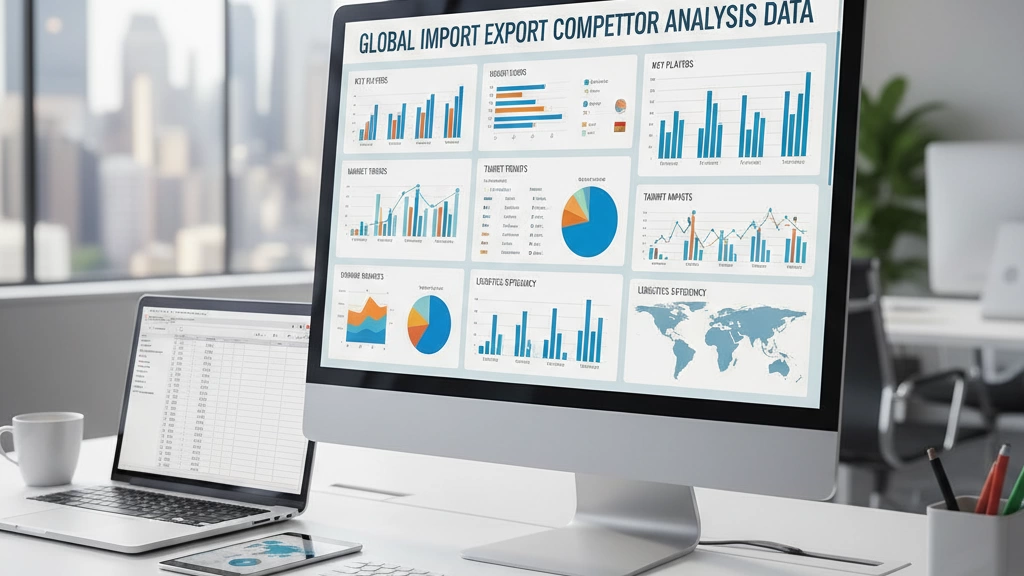
When we sell cling film into global retail and supermarket channels, competitor analysis with import export shipment data is one of the most practical ways to see who we’re really up against, where they ship, and how they price.
Finding Competitor Names in Customs & BOL Data
Bill of lading (BOL) and customs records often show:
- Exporter name
- Importer name
- HS code (e.g., cling film / plastic film-related codes)
- Destination country and port
By searching shipment-level customs databases for the right HS codes plus keywords like “cling film,” “food wrap,” or “preservative film,” we can:
- Build a list of competing manufacturers and trading companies
- See which brands are sending regular volumes to major U.S. ports (LA, Long Beach, NY/NJ, Savannah)
- Spot which suppliers focus on supermarket packaging versus industrial or foodservice
For example, the same approach we use to evaluate cling film can be applied to other packaging SKUs, as shown in our breakdown of the cost effectiveness of preservative film vs. traditional packaging.
Tracking Shipment Routes and Frequencies
Once we identify competitor names, we track:
- Routes: Origin country → main export port → U.S. destination port
- Frequency: How many shipments per month or quarter
- Consistency: Regular monthly flows vs. one-time test loads
This tells us:
- Which competitors have strong logistics set up into key U.S. hubs
- Where lead times are likely shorter (e.g., West Coast vs. East Coast entry)
- Which markets (e.g., Southeast, Midwest, coastal cities) are getting the most cling film imports
For retail buyers, a supplier with consistent routes and frequency usually means better fill rates and fewer stockouts.
Comparing Competitor Unit Prices Over Time
Customs data often includes:
- Total trade value (USD)
- Quantity (kg, rolls, cartons)
From there we calculate:
- Unit price per kg
- Unit price per roll/carton (when quantity units allow it)
By tracking these over time, we can see:
- Which competitors are raising or dropping prices
- How fast they pass on resin or freight cost changes
- Whether someone is undercutting the market with aggressive offers
This is key for setting our own price bands. For example, if we see a 10–15% price gap for similar cling film specs, we know if our value proposition needs to lean more on quality, sustainability, or service.
Identifying Key Markets and Customers
Shipment records show where the product actually lands:
- Top destination countries and cities
- Large importers (distributors, wholesalers, sometimes major retail groups)
From this, we can:
- Map competitor “stronghold” markets for cling film
- See which U.S. regions are underserved by certain brands
- Narrow down which distributors or supermarket groups might be open to new suppliers
This is especially useful when a competitor is dominant in Europe or Latin America but has weak coverage in certain U.S. states.
Benchmarking Volume Against Industry Leaders
By summing up shipment weights and counts, we can benchmark:
- Our export volume vs. the top 5–10 cling film exporters
- Share of shipments into specific ports or regions
- Our growth rate vs. the market
This tells us whether we’re:
- A niche specialist
- A mid-tier player gaining share
- Competing directly with the largest global brands
For supermarket buyers, seeing that we already ship steady volumes into other major chains helps validate capacity and reliability.
Spotting New Entrants and Price Movers
Trade data updates help us see:
- New exporters appearing under cling film HS codes
- Existing competitors suddenly ramping up shipments
- Sharp price drops from a specific supplier or country
This gives early warning of:
- New low-cost entrants
- Potential dumping or short-term price wars
- Regions where demand is heating up and attracting new players
We can respond by adjusting our own market focus, improving specs, or locking in key customers before the market gets crowded.
Staying Legal & Ethical with Competitor Data
We only use publicly available import export data and:
- Don’t chase confidential contract terms or internal customer lists
- Don’t attempt to reverse-engineer trade secrets
- Don’t use any hacked, scraped, or non-compliant data sources
Our approach is simple: we work with what customs and shipping records legally show, and combine it with our own market experience.
Building a Simple SWOT from Trade Data
Using global shipment data, we can build a grounded SWOT for cling film:
- Strengths: Where we already ship the most; routes and ports where we’re faster or more reliable than others
- Weaknesses: Markets where our volume is lower or prices aren’t competitive
- Opportunities: Destinations with rising import volumes but limited supplier diversity
- Threats: New entrants with very low unit prices or heavily subsidized freight
This trade-based SWOT feeds directly into how we plan new export countries, refine pricing, and negotiate with U.S. retail and supermarket partners who depend on stable, data-backed cling film supply.
Supplier Sourcing and Risk Management Using Global Import & Export Data Analysis
When you’re supplying cling film to US retailers and supermarkets, global import & export data analysis isn’t a “nice to have” — it’s how you stay in stock, protect your margins, and avoid supplier surprises.
Using Export Data to Find Reliable Cling Film Suppliers
If you’re adding backup manufacturers or expanding product lines (e.g., catering-size rolls, private label), trade data helps you shortlist real, active suppliers instead of guessing.
Look for suppliers who:
- Export cling film regularly to the US or major markets
- Ship consistent volumes month after month
- Work with reputable buyers (large retailers, distributors, or packaging brands)
Shipment-level data (bills of lading, customs records) shows:
- Who they sell to
- How often they ship
- Which markets they understand (US, EU, Latin America, etc.)
If you’re interested in broader food packaging, it’s worth checking how they perform in related categories like cling film manufacturing for food storage to see their product range and technical capability.
Checking Supplier Export History and Consistency
Once you have a shortlist, dig into export history:
- Shipment frequency: Are they shipping every week, month, or only a few times a year?
- Volume stability: Do their exports jump and crash, or trend steadily up?
- Market spread: Are they overdependent on one customer, or diversified?
Red flags:
- Long gaps with no shipments
- Sudden volume spikes followed by total drops
- Only one major buyer and no backup customers
We work only with factories that show multi-year shipment history and stable volumes in the trade data — it’s a strong sign they can support long-term supermarket programs.
Comparing Suppliers by Country, Price, and Volume
Trade data lets you compare suppliers in a way simple quotes can’t:
Compare by:
- Country: Labor and energy costs, local regulations, and tariffs all affect cling film pricing and lead times.
- Average export price: Use unit prices (price per kg or per roll) from customs values to see who’s consistently competitive.
- Volume: High-volume exporters usually have better economies of scale and more stable raw material supply.
Example:
- Supplier A: Lower price, but tiny and unstable monthly volume
- Supplier B: Slightly higher price, but strong, steady exports to multiple markets
We usually favor supplier B for supermarket programs, because reliability matters more than shaving off a fraction of a cent if the low-cost option can’t deliver during peak season.
Evaluating Shipping Times, Ports, and Routes
Trade data also helps you evaluate logistics performance:
- Ports used: Are they shipping from highly congested ports or more efficient ones?
- Transit times: Compare average days from departure port to your US port.
- Routes: Direct routes vs. transshipment (more stops = more risk of delay).
Use shipment records to:
- Pick suppliers using routes with fewer disruptions
- Estimate realistic lead times (not just what’s written in the quote)
- Plan safety stock based on actual transit history
For cling film, which is high-volume but relatively low-cost per unit, predictable transit time often matters more than shaving a few dollars off freight.
Measuring Supplier Concentration Risk
If most of your cling film volume comes from one factory or one country, you’re taking on concentration risk without realizing it.
Use import/export data to calculate:
- % of volume by supplier
- % of volume by country
- % of volume through a single port
If more than ~40–50% of your total volume is tied to:
- One supplier
- One country
- One critical port
…it’s time to actively build alternatives.
Detecting Overreliance on One Country or Region
Global trade data shows when a country:
- Faces rising tariffs
- Shows export declines
- Has more frequent port disruptions
For US-focused cling film supply, monitor:
- Tariff changes on plastics and packaging
- Regional risks (political, labor, energy costs)
- Export slowdowns from your main sourcing country
If you see early signs of trouble in one region, you can start qualifying suppliers from:
- Alternative Asian hubs
- Nearshore options for faster transit
- Countries with more stable trade terms with the US
Using Data to Negotiate Better Terms
When you know the real market situation, your negotiations get sharper.
Use trade data to:
- Show that other suppliers are exporting similar cling film at lower or similar unit prices
- Benchmark lead times and volumes to push for better service levels
- Negotiate:
- Better payment terms
- Annual price locks
- Volume-based discounts
- Priority production in peak season
Because we actively track international price trend analysis and competitor shipments, we go into supplier talks with real facts, not just “please lower your price.”
Building Contingency Plans from Trade Risk Indicators
Good risk management means assuming something will eventually go wrong — and preparing for it.
Use trade data to build Plan B and Plan C:
- Keep an updated list of backup cling film suppliers with proven export history
- Know which ports and routes are viable alternatives if one lane gets blocked
- Set clear thresholds:
- If one supplier’s on-time shipments drop below X%
- If shipping time extends beyond Y days
- If price jumps more than Z% vs. global average
When those thresholds are hit, you:
- Shift a portion of orders to alternative suppliers
- Adjust forecast and safety stock
- Recheck landed costs and pricing for your US retailers
If you’re also working with other packaging SKUs, look at broader sustainable food packaging trends through resources like eco-friendly food storage and packaging insights to line up future-ready suppliers, not just the cheapest today.
By treating global import & export data analysis as a daily sourcing tool instead of a one-time research project, we keep cling film supply stable, prices competitive, and risk under control — which is exactly what US retailers and supermarkets need from a long-term partner.
Retail and Supermarket Case Studies in Trade Data Analysis
Case Study: Optimizing Cling Film Sourcing With Trade Data
We sell cling film into multiple markets, so keeping costs tight and supply stable is everything. Using global import & export data analysis, we rebuilt how we source and price:
- We tracked international import export statistics by HS code for cling film in the U.S., Canada, and key Latin American markets.
- We compared shipment-level bill of lading shipment records to spot which ports and routes had the most consistent transit times and lowest disruption.
- We flagged suppliers whose export volumes were stable (or growing) and filtered out those with constant delays or sharp price swings.
Result:
We consolidated from 7 suppliers down to 3 high-performing partners and shifted more volume to ports with fewer congestion issues. That cut our average landed cost by 6–8% and reduced out-of-stock events at our supermarket customers.
Case Study: Moving From Saturated to High-Growth Markets
At one point, we were pushing hard into a saturated market where prices kept sliding and margins were getting crushed.
We used global trade data analysis to:
- Rank countries by import export market trends: volume growth, average unit price, and number of active competitors.
- Identify emerging export markets where cling film imports were growing faster than 10% per year, but with fewer big players.
- Check international shipment volume analysis to see if growth was driven by retail and supermarket channels.
We shifted a chunk of our sales effort away from a mature, low-margin market into a higher-growth region where buyers were still trading up from generic packaging. Within 12 months, our average export price improved by 9% with similar volume.
How Data-Driven Moves Improved Margins and Fill Rates
Supermarkets care about two things from a cling film supplier: reliable fill rates and stable, competitive pricing. Trade data helped us improve both:
- We used global retail supply chain metrics (lead times, port performance, typical shipment size) to build more realistic safety stock levels.
- We watched export pricing fluctuations so we weren’t caught off guard when raw material or freight costs spiked.
- We cut emergency air shipments by planning around seasonal trade route and port analysis (when congestion historically peaks).
Outcome:
- Fill rates to major retail chains increased from ~93% to ~98%.
- Margin per case improved because we were no longer scrambling with last-minute, high-cost shipments.
Using Trade Data to Support Retailer Negotiations
When we sit down with U.S. supermarket buyers, we don’t just talk product—we bring data:
- We use shipment-level trade intelligence to show where we stand on price versus the global average and key competitors.
- We back up our proposals with international price trend analysis, so buyers can see why a price hold (or small increase) is realistic.
- For private label projects, we show retailers how our routes and lead times compare to other suppliers, using trade data dashboards and reports.
This lets us negotiate from a position of strength: we’re not guessing, we’re walking buyers through real global customs data and how it impacts their shelf prices and availability.
For retailers exploring broader sustainable food packaging, we sometimes pair cling film strategies with complementary solutions like stainless steel lunch containers for international buyers that are growing quickly in eco-focused categories (example stainless steel lunch box guide).
Lessons Learned From Failed Market Entries
Not every move worked. We’ve had markets where:
- We chased volume but ignored tariff impact on imports and exports, killing our margins.
- We underestimated local competition because we didn’t dig deep into competitor trade benchmarking.
- We misread a short-term spike in volumes as a long-term trend and over-invested.
Key lessons:
- Never rely on just 6–12 months of data. Always cross-check with at least 2–3 years of international import export statistics.
- Break down data by product detail, not just broad HS code, to avoid mixing premium and budget-grade cling film.
- Validate data storylines with at least one on-the-ground partner (distributor, broker, or retailer).
Practical Playbooks for Supermarket Packaging Imports
Over time, we built simple, repeatable playbooks for supermarket packaging imports:
Playbook 1: New Market Screening for Cling Film
- Pull customs import export database data by HS code.
- Rank markets by:
- Import growth (3–5 years)
- Average import price per kg
- Number of active foreign suppliers
- Shortlist 3–5 countries for more detailed study.
Playbook 2: Retail Partner Pitch Prep
- Gather shipment-level trade intelligence on competitor volumes and prices.
- Map typical lead times and best ports for the retailer’s DC locations.
- Show how your sourcing plan reduces risk and total cost over 12–24 months.
These playbooks let a small or mid-sized supplier run B2B trade data insights like a big player, but without huge teams or budgets.
KPIs Tracked Before and After Using Trade Analytics
We measure our progress with clear international trade KPIs. Before using deep trade analytics, we tracked just sales and margin. Now we monitor:
- Average landed cost per roll / per case
- Fill rate to each retailer and DC
- On-time delivery % by route and port
- Average unit export price vs. regional market average
- Supplier concentration (share of volume from top 3 suppliers)
- Market share in key destination countries (based on customs data)
This KPI set shows if our global sourcing optimization is actually working, not just “feeling right.”
Templates and Checklists for Replicating Results
To keep our team aligned, we use simple templates anyone can follow:
Market Scan Checklist
- [ ] HS code confirmed and double-checked
- [ ] Import volume trend analyzed (3–5 years)
- [ ] Price per kg vs. global average checked
- [ ] Top 10 importing companies identified
- [ ] Tariffs and key regulations reviewed
Supplier Sourcing Checklist
- [ ] Export history checked for at least 2–3 years
- [ ] Average shipment size and frequency reviewed
- [ ] Routes, ports, and transit times analyzed
- [ ] Price vs. quality tier mapped
- [ ] Backup suppliers shortlisted for risk management
By running these checklists consistently, we’ve turned global trade data analytics from a “nice-to-have” into a core part of how we grow our cling film exports and support U.S. retailers with reliable, well-priced supermarket packaging.
FAQ: Cling Film, Export Markets, and Trade Data
Q1: Which countries are the best export targets for cling film right now?
We look for markets where cling film imports are growing at least 8–10% per year, with stable or rising average prices. For us, high-potential regions often include parts of Latin America, Eastern Europe, and selected Middle Eastern markets, but the best options change as import export market trends shift.
Q2: How big is the cling film market in retail and supermarkets?
In major markets like the U.S., cling film demand is steady and closely tied to supermarket and foodservice activity. We use international import export statistics plus retail scanner data (where we can get it) to size each market by total imported volume and value, then estimate how much flows through supermarkets versus foodservice.
Q3: What price trends are you seeing for cling film exports?
Over the last few years, we’ve seen:
- Upward pressure from resin and freight costs
- More price segmentation between budget, standard, and premium / eco-focused films
- Increased volatility tied to port congestion and geopolitical risk
We track export pricing fluctuations monthly so we can adjust our offers before the market moves too far.
Q4: How does trade data actually help a small or mid-sized supplier compete?
Data lets us:
- Spot markets where big players are not as active
- Offer realistic pricing backed by international price trend analysis
- Provide retailers with hard numbers on reliability and cost, not just promises
You don’t need a big team—just consistent use of global customs data access and a few simple dashboards.
Q5: How long does it take to see results from using trade analytics?
If you’re focused, you can see better pricing decisions and cleaner target lists within 1–3 months. Larger gains—like improved market positioning, better retailer contracts, or switching to higher-performing suppliers—often show up within 6–12 months. The key is keeping projects simple, tracking your KPIs, and using the same templates every time.
Challenges in Global Import & Export Data Analysis

When we look at global import & export data analysis for cling film and supermarket packaging, the data is powerful—but it’s not perfect. If we don’t understand the limits, we can make expensive mistakes in pricing, sourcing, and market entry.
Below are the main challenges I watch for and how I handle them in a practical way.
Data Gaps, Delays & Incomplete Coverage
Trade data is rarely “real-time.” Some countries release customs data monthly, some quarterly, and some not at all.
Common issues:
| Issue | What It Means for You | How I Handle It |
|---|---|---|
| Reporting delays | You’re reacting to last month’s reality | Use moving averages, not single months |
| Missing smaller shipments | Underestimates niche products or new entrants | Combine with customer feedback & sales |
| No access to some countries | Blind spots in global market size | Benchmark using similar nearby markets |
I never base a big decision (new plant, major price shift) on one month of data. I look at at least 12–24 months for cling film trade flows.
Inconsistent HS Codes & Product Descriptions
HS codes are the backbone of global trade data analysis, but they’re not always clean.
Typical problems:
- Different countries classify the same cling film product under different sub-headings.
- Importers may use generic codes to save time.
- Product descriptions can be vague (“plastic film” instead of “PVC/PE cling film for food”).
How I deal with HS code issues:
- Track multiple HS codes that realistically cover food-grade plastic film.
- Cross-check with what we actually ship and what U.S. buyers are ordering.
- Standardize internal naming so “cling film,” “plastic wrap,” and “food wrap film” map to the same product family.
For deeper background on how cling film materials get described and classified, I rely on resources like our guide on key materials used in commercial cling film.
Currency Conversion & Inflation Adjustments
When we compare export prices across countries, raw values can be very misleading.
Key checks I always run:
- Convert all values to USD on a consistent rate basis.
- Adjust for inflation for long-term analysis (3–5 years).
- Focus on unit price trends (USD/kg, USD/roll) instead of total value.
This makes it easier to see real pricing trends in cling film, not just currency noise.
Different Customs Rules Across Countries
Each country has its own customs rules and reporting standards. That impacts how we read the data.
Examples:
- Some include freight and insurance (CIF), others report FOB values.
- Some group certain packaging materials; others split them into very detailed sub-codes.
- Some enforce strict product descriptions; others don’t.
My approach:
- Compare countries with similar rules when doing price benchmarking.
- Mark “mixed-method” countries and treat their data as directional, not exact.
Data Silos Inside Your Own Organization
One of the biggest challenges isn’t external—it’s internal.
Typical silos:
- Sales data in one system
- Logistics and lead times in another
- Customs brokers using separate tools
- Finance holding landed cost details
When these are disconnected, it’s hard to match shipment-level trade data to actual performance.
How I fix it:
- Set simple shared IDs (order number, SKU, HS code) across departments.
- Pull exports, imports, and retail orders into one sheet or BI dashboard.
- Align our cling film export records with customer sell-through data from retail and supermarkets.
Overfitting & Misreading Short-Term Changes
It’s easy to overreact to a short-term spike or dip in import export statistics.
Risks:
- Cutting prices too fast after one bad month.
- Moving production based on one season’s demand.
- Misreading a one-off large shipment as a trend.
How I avoid overfitting:
- Look at trend lines, not isolated points.
- Compare year-over-year and month-over-month at the same time.
- Confirm signals with what we see on the ground: retailer feedback, distributor orders, and our own global supply chain and logistics experience for cling film exports.
Legal & Ethical Limits on Data Usage
Global customs and shipment-level databases can include sensitive information.
Key points I follow:
- Respect each country’s data privacy rules.
- Avoid using trade data for any kind of unfair targeting or confidential customer information.
- Use competitor shipment data only at an aggregated, strategic level (routes, volumes, price ranges), not for any kind of misrepresentation or direct interference.
We win by being more informed and more efficient—not by crossing legal lines.
How I Sanity-Check Trade Data Before Acting
Before I act on any big insight from global trade analytics tools, I run it through a simple checklist:
Sanity-check steps:
- Cross-verify sources: Compare at least two data providers or a provider plus government trade portals.
- Talk to the market: Ask distributors and key supermarket buyers if the trend matches what they’re seeing.
- Check product fit: Confirm the HS codes truly match our cling film and not unrelated plastic products.
- Run small tests:
- Test a small price adjustment on a subset of customers.
- Trial new sourcing routes on limited volumes.
- Watch 2–3 cycles: If the pattern holds over several months or seasons, then I treat it as a real trend.
By staying disciplined with this checklist, we turn imperfect global import & export data into practical, low-risk decisions for cling film exports and supermarket packaging customers in the U.S. and beyond.
Future of Global Import & Export Data Analysis
Global Import & Export Data Analysis is changing fast, and I treat it as a core part of how I run our cling film export business. The tools are getting smarter, the data is getting closer to real time, and retailers in the U.S. expect us to back every decision with hard numbers.
AI And Machine Learning In Trade Forecasting
AI trade forecast modeling techniques are moving from “nice to have” to standard.
- I use machine learning models to forecast international shipment volume by HS code and country, not just total sales.
- These forecasts blend historical customs data, tariff changes, and seasonal supermarket demand so I see volume shifts months before they hit.
- For cling film, this means I can align production with expected import export market trends in key markets like the U.S., Canada, and Latin America.
The payoff: fewer stockouts, less overproduction, and tighter working capital.
Blockchain And Verified Supply Chain Visibility
Blockchain isn’t hype anymore when it comes to verified supply chain visibility.
- Each shipment record can carry tamper-proof data on origin, material specs, and handoffs.
- Retailers that care about food-safe and sustainable packaging want proof, not promises.
- For cling film and related packaging, blockchain-backed trails cut disputes and speed up compliance checks.
This visibility becomes a key selling point when competing for big-box and supermarket accounts.
Real-Time Shipping And Port Analytics
Real-time shipping and port analytics turn static reports into live dashboards.
- I track vessel positions, port congestion, and average dwell time on major trade routes.
- When a port backs up, I see the risk in the data and can switch routes or adjust ETAs before my buyers panic.
- For U.S. supermarket packaging import data, this level of monitoring keeps service levels up, even when global logistics get messy.
Integrated Dashboards For End-To-End Trade Views
The future of global trade data analysis is one integrated screen, not ten disconnected reports.
- I connect global customs data access, internal ERP, inventory, and pricing tools into unified trade data dashboards and reports.
- At a glance, I can see:
- Import demand by country and HS code
- My market share and competitor trade benchmarking
- Landed cost and margin by customer
For a cling film supplier, that single view guides which export countries I push, which I defend, and which I exit.
Sustainability Metrics In Import Export Reports
Sustainability metrics are becoming part of core international trade KPIs, not a side note.
- I track carbon footprint per shipment, recycled content, and packaging material choices alongside volume and price.
- Buyers compare cling film against alternatives like foil and silicone bags, and they look at environmental impact as well as cost.
- If you’re also sourcing foil, this review of aluminum foil manufacturers and their sustainability practices shows the kind of detail procurement teams now expect.
These sustainable packaging trade trends directly influence which SKUs U.S. retailers list and how they price them.
How Automation Changes Data Jobs In Trade Teams
Automation doesn’t remove trade teams; it upgrades them.
- Bots handle data cleaning, HS code mapping, currency conversion, and basic import export risk management checks.
- Analysts shift to:
- Reading volume and export pricing fluctuations
- Testing new market entry strategy using trade data
- Running “what if” scenarios on tariffs, routes, and supplier switches
The result is fewer manual spreadsheets and more time spent on actual decisions.
Preparing Your Business For Data-First Trading
To compete, especially in the U.S. retail channel, you need a data-first mindset.
- Make shipment-level trade intelligence standard for every big decision.
- Train sales, sourcing, and operations to read trade route and port analysis, not just sales reports.
- Build simple, clear dashboards showing:
- Market size by country
- Price trends and volatility
- Lead times and on-time performance
This is how I align our cling film offer with what the market is really doing, not what it did last year.
Practical Steps To Modernize Your Trade Analytics
Here’s how I’d modernize Global Import & Export Data Analysis if I were starting today:
- Step 1 – Centralize data: Pull customs import export database extracts, internal shipment data, and pricing into one place.
- Step 2 – Standardize HS codes: Clean and normalize HS code trade classification for all cling film SKUs and related packaging.
- Step 3 – Build starter dashboards: Use a BI tool or spreadsheet to track demand, price, and margin by country and key retailer.
- Step 4 – Layer on AI forecasts: Add simple machine learning models to predict volumes and price ranges for the next 6–12 months.
- Step 5 – Add risk and sustainability views: Monitor tariff impact on imports and exports, supplier concentration, and basic ESG metrics.
- Step 6 – Review on a schedule: Set monthly and quarterly review cycles, so you act on the data instead of letting it sit.
Handled this way, trade analytics becomes a day-to-day tool for running a cling film export business—not a one-off report you pull when things go wrong.
FAQs on Global Import & Export Data Analysis
What are the best free tools for global trade data analysis?
If you’re just getting started and don’t want to spend money yet, these free options are solid:
- USITC DataWeb / USA Trade Online (free with registration) – Great for U.S. import/export statistics by HS code, volume, and value.
- UN Comtrade – Global import/export statistics by country and HS code. Good for high-level market size and trends.
- EU’s Eurostat – Helpful if you ship to or from Europe.
- National customs portals – Many countries publish basic import/export stats on their government or customs sites.
For quick analysis, you can download CSV files and run simple filters in Excel or Google Sheets.
How do I find and use HS codes for my products?
For cling film and similar packaging, getting the right HS code is key:
- Use:
- The U.S. International Trade Commission (USITC) HTS Search
- Your local customs or tariff lookup site
- Type keywords like “plastic film,” “cling film,” or “food wrap” and confirm:
- Material (e.g., polyethylene)
- Use case (food contact, household, supermarket)
- Form (rolls, sheets, retail packs)
Once you have the HS code:
- Use it to:
- Search global import/export data
- Compare unit prices and market volumes
- Check tariffs and duties by country
Always double-check with your freight forwarder or customs broker to avoid misclassification.
How often should you review import export data?
For a cling film supplier selling into retail and supermarkets, this is a good cadence:
- Monthly:
- Track price trends, shipping routes, and key competitor activity.
- Quarterly:
- Review market share, new markets, and supplier risk exposure.
- Before big decisions:
- Entering a new country
- Launching a new product line
- Renegotiating contracts with major retail buyers
Markets shift fast, especially with freight costs and tariffs. Monthly checks help you react before your competitors do.
What is the minimum data you need before making a decision?
You don’t need a massive data warehouse to move smarter. Before making a major move (like entering a new market or switching a supplier), I want at least:
- 12–24 months of import/export data for the HS code
- Top 5 importing countries and their growth trends
- Average unit price (USD/kg or USD/roll) by country
- Key ports and routes used by current players
- Tariff and duty overview for that product in the target country
With just this, you can already see:
- Is the market growing or shrinking?
- Are prices going up or down?
- Which countries and ports are really worth targeting?
How can small suppliers compete with big players using data?
Data is the one area where small and mid-sized suppliers can punch above their weight:
- Niche focus:
- Use trade data to find mid-sized markets where the big brands are not dominating.
- Speed and flexibility:
- Spot price drops in freight or resin and quickly adjust your pricing or stock.
- Smarter quotes:
- Use competitor unit price benchmarks to quote sharply without undercutting yourself.
- Better sourcing:
- Use export data to find suppliers with steady volume and on-time shipping history, which helps you lock in more reliable lead times and margins.
If you’re also selling things like eco-friendly food containers or bags, you can apply the same approach that’s used in choosing the right trash bag supplier—check volume consistency, export history, and product focus.
How long does it take to see ROI from trade analytics?
For most small and mid-sized cling film exporters, I usually see results in:
- 1–3 months
- Quick wins: better target lists, smarter pricing, avoiding obviously bad markets.
- 3–6 months
- More efficient freight planning, improved margins, and fewer bad-fit distributors.
- 6–12 months
- Stronger retailer relationships, better sourcing terms, and a cleaner, more resilient supply chain.
Your ROI often comes from avoiding mistakes (bad markets, wrong price points, poor-fit partners) as much as from finding new opportunities.
Tips to keep your trade data projects simple and effective
Don’t overcomplicate this. Keep it lean and practical:
- Start with one HS code
- For example, your main cling film SKU. Don’t try to analyze your whole catalog at once.
- Focus on a few core metrics:
- Import volume by country
- Average unit price
- 12–24 month trend
- Use simple tools first:
- Excel or Google Sheets with filters and pivot tables are enough to start.
- Set a fixed routine:
- Example: 2 hours once a month to review trade data and update your action list.
- Tie data to concrete actions:
- New country to test
- Old market to exit
- Price band to target
- Port or route to avoid
If you expand into other food packaging formats later (like reusable containers), the same data-first thinking you’d use for evaluating stainless steel food containers will plug right into your import/export strategy.
Keep it simple, stay consistent, and let the numbers guide your next move instead of guessing.