
















Key Types of Food Wraps Used in Professional Kitchens
In the high-stakes environment of hotel kitchens and large-scale catering, keeping ingredients fresh isn’t just about quality—it’s about the bottom line. After 18 years in the industry, I’ve seen how the wrong wrap can ruin a prep shift. We need materials that handle the heat, seal in the cold, and keep food safe. Here is the breakdown of the essential wraps every commercial cling film guide should cover.
Commercial Cling Film: PE vs. PVC
The debate between PE vs PVC cling film comparison is one of the most common discussions I have with procurement managers. Both have their place, but understanding the difference is key for catering food safety wrapping.
- PE (Polyethylene) Cling Film: This is the safer, more modern choice. It is non-toxic, recyclable, and what we focus on heavily at Artfullife. While older versions lacked “stick,” our current high-clarity PE films offer excellent cling properties and anti-fog capabilities, making them perfect for fruit trays and cold storage. It is the go-to for food safety and regulatory compliance.
- PVC (Polyvinyl Chloride) Cling Film: Known for its superior stretch and stickiness. However, it is less breathable and has environmental concerns. Many hotels are transitioning away from PVC to meet sustainability goals, but it remains a staple in some markets for its immediate ease of use.
Heavy-Duty Aluminum Foil
Professional kitchen foil usage goes beyond just covering leftovers. In a busy banquet hall, foil is a thermal barrier. It offers excellent heat conduction for cooking and strong barrier strength against light and oxygen. However, we always advise chefs to be careful with highly acidic or salty foods (like tomato sauces or marinated meats), as they can break down the aluminum and compromise the food.
Specialty Papers for Baking and Deli Service
Different tasks require different barriers.
- Parchment & Wax Paper: Essential for non-stick baking applications and separating deli slices.
- Greaseproof Paper: A must-have for lining baskets and wrapping greasy items to maintain presentation without the mess.
Sustainable Food Wrap Alternatives
The industry is shifting. We are seeing a massive surge in demand for sustainable food wrap alternatives and eco-friendly hotel packaging. At Artfullife, we are innovating with materials derived from renewable resources to support this change.
- Compostable Films: We are developing biodegradable cling film for catering using plant-based materials (like PBAT/PLA blends) that break down naturally without leaving microplastics behind.
- Plant-Based Materials: Moving away from traditional petroleum-based plastics helps hotels meet their Corporate Social Responsibility (CSR) targets while maintaining the high-performance standards required in professional kitchens.
Material Selection Criteria for Hotels and Catering
Selecting the right food wrap guide for hotels & catering involves balancing regulatory compliance with operational performance. As a manufacturer with over 18 years of experience, we understand that professional kitchens require materials that go beyond basic coverage. You need reliable solutions that integrate seamlessly into your workflow while maintaining the highest hygiene standards.
Food Safety and Regulatory Compliance
In the US hospitality sector, using HACCP compliant food wrapping is non-negotiable. Our production process strictly adheres to FDA and CE standards, ensuring that every roll of cling film is free from harmful plasticizers and safe for direct food contact. Whether you are wrapping fresh produce or covering prepared meals, verifying that your supplier holds valid Food Contact Material (FCM) certifications protects your business from liability and ensures guest safety.
Temperature Resilience and Usage
Professional kitchens are dynamic environments where temperatures fluctuate drastically. Your wrapping materials must perform equally well in walk-in freezers and under heat lamps.
- Cold Storage: Films must remain flexible and clingy without cracking at low temperatures.
- Hot Holding & Microwave: We engineer our PE films to withstand reheating without melting or releasing toxic fumes.
- Transport: For off-site catering, robust wrapping prevents spills and maintains temperature integrity.
While managing your kitchen’s inventory, many operations also integrate eco-friendly storage bags for commercial use to segregate ingredients efficiently before the final prep stages.
Thickness (Micron) Guide for Professional Use
Choosing the correct micron thickness food film is critical for cost control and food preservation. We offer specific grades tailored to different kitchen stations:
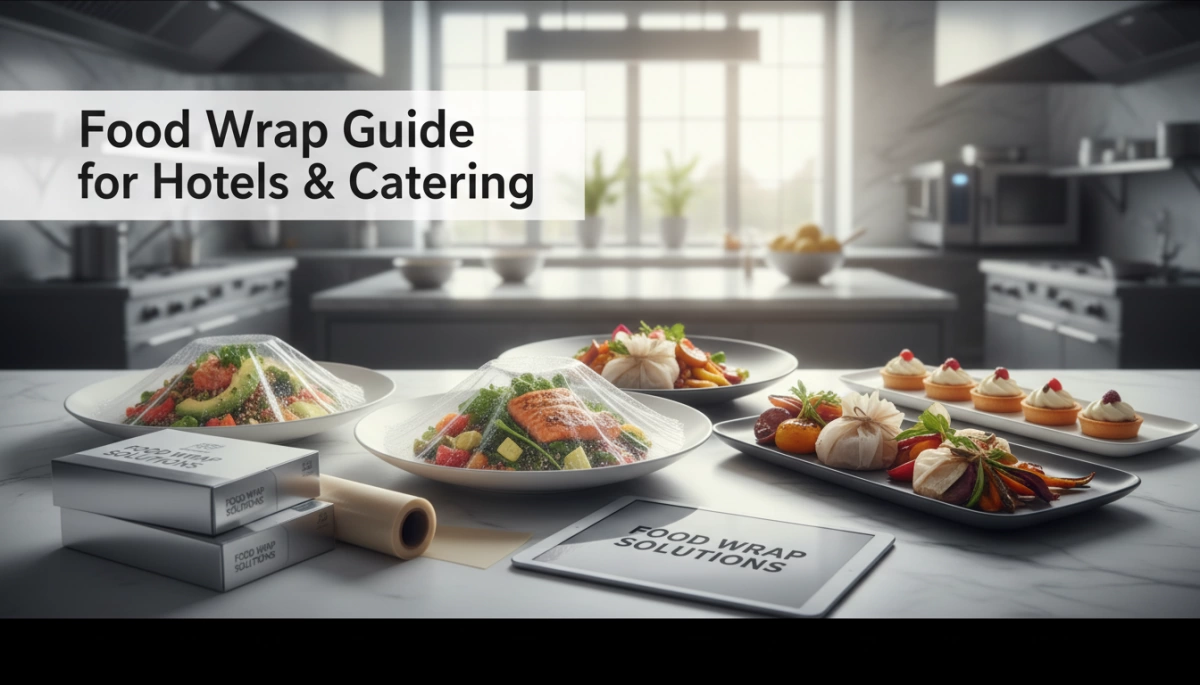
- Light-Duty (8–10μm): Ideal for short-term covering of salad bowls, fruit trays, and plated desserts. It offers high clarity and easy handling.
- Heavy-Duty (12–15μm): Essential for wrapping bulk proteins, covering large GN pans, and securing food for transport. This added thickness provides superior puncture resistance and prevents odor transfer in shared refrigeration units.
Width and Roll Size Recommendations
Efficiency in a high-volume kitchen often comes down to sizing. Standard consumer rolls are inefficient for hotel kitchen food storage wraps. We recommend industrial-width rolls designed to span standard Gastronorm (GN) pans and large banquet platters in a single pass. Using the correct width minimizes overlap waste and speeds up the closing shift, allowing your staff to secure mise en place quickly and effectively.
Best Practices for Food Storage and Preparation
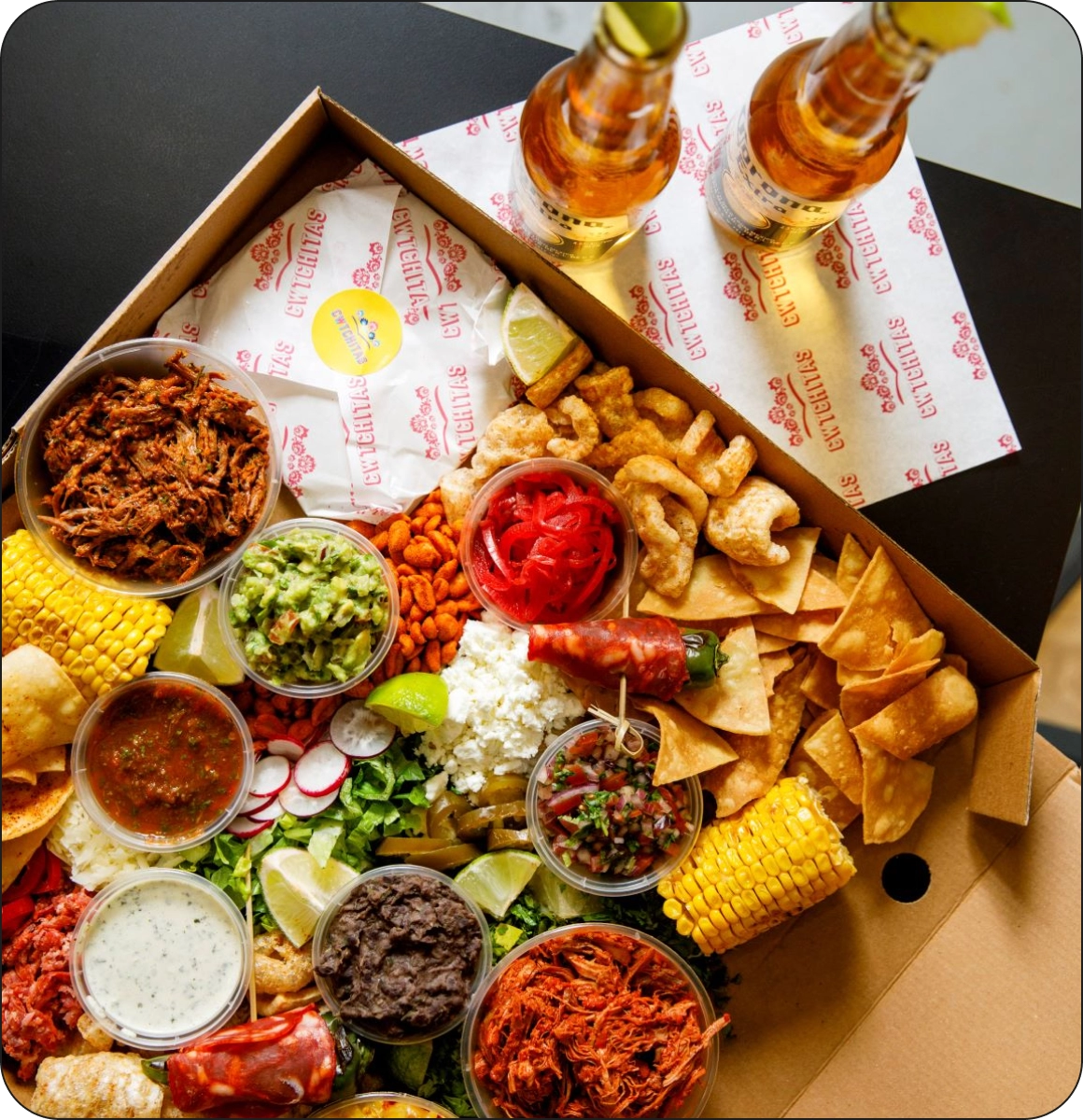
In the high-pressure environment of a professional kitchen, how you wrap ingredients is just as critical as the ingredients themselves. We know that effective hotel kitchen food storage wraps are the first line of defense against spoilage and waste. Implementing strict wrapping protocols ensures that your operation remains efficient and compliant with safety standards.
Preventing Cross-Contamination and Odor Transfer
Shared refrigeration units in busy catering operations are hotspots for cross-contamination. You cannot afford to have the aroma of raw seafood seeping into your pastry cream. The key is selecting the right catering food safety wrapping with high barrier properties. We recommend understanding the specific key materials used in commercial cling film to ensure you are using a film dense enough to lock in strong odors and lock out external contaminants.
- Color Coding: Use specific box colors or labels on the wrap to distinguish between raw meats, cooked foods, and produce.
- Barrier Strength: Ensure the film thickness is sufficient to prevent accidental punctures during stacking.
Tight-Seal Techniques and Mise en Place
Oxidation and dehydration are the enemies of freshness. When wrapping mise en place containers during prep shifts, a loose cover isn’t enough. Staff should be trained to stretch the film taut over the rim of the container to create an airtight vacuum effect. This technique significantly extends the shelf life of prepped vegetables and sauces by minimizing exposure to air.
Pro-Tip for Freshness:
- The “Burp” Method: When sealing storage tubs, lift one corner of the film to press out excess air before sealing it shut completely.
- Prep Protection: Keep prepped ingredients covered right up until the moment of service to maintain texture and hydration.
FIFO Implementation and Waste Reduction
Proper wrapping supports your First In, First Out (FIFO) inventory system. High-clarity PE cling film allows chefs to instantly identify contents without unwrapping them, reducing handling time. To cut costs and reduce material waste, emphasize portion-controlled wrapping. Using a massive sheet for a small ramekin is throwing money away. Train staff to pull only the length needed for the specific vessel size.
- Date Labeling: Always apply date stickers directly onto the taut film surface, not the container, to keep dishes clean.
- Visual Audits: Clear wrapping allows for quick visual quality checks without breaking the seal.
Safe Transport and Hot/Cold Holding Techniques
In off-site catering, the journey from the kitchen to the venue is where quality is most vulnerable. We rely on multi-layer food transport wrapping to ensure dishes arrive exactly as intended. A single layer of film often isn’t enough to withstand the vibrations of transport or the fluctuations in ambient temperature.
To master food temperature retention methods, we recommend a strategic combination of materials:
- The Base Seal: Apply a tight layer of professional-grade PE cling film directly over the container. This creates an airtight seal that prevents spills and locks in moisture, essential for preventing sauces from drying out.
- The Thermal Shield: Add a secondary layer of heavy-duty aluminum foil. The foil reflects heat, helping maintain internal temperatures whether you are keeping a brisket hot or a salad crisp.
- Hardware Integration: For individual portions or specialized transport, wrapping works best when paired with rigid insulation. Utilizing stainless steel insulated lunch boxes adds a robust physical barrier that works in tandem with our wraps to stabilize temperatures for hours.
Critical Temperature Zones
Strict adherence to safety standards is non-negotiable. Cold foods must remain below 41°F (5°C) and hot foods above 145°F (63°C). Using the cling-plus-foil method significantly slows thermal loss, keeping your inventory outside the bacterial “danger zone” during transit and setup.
Sustainability and Eco-Friendly Choices in 2026
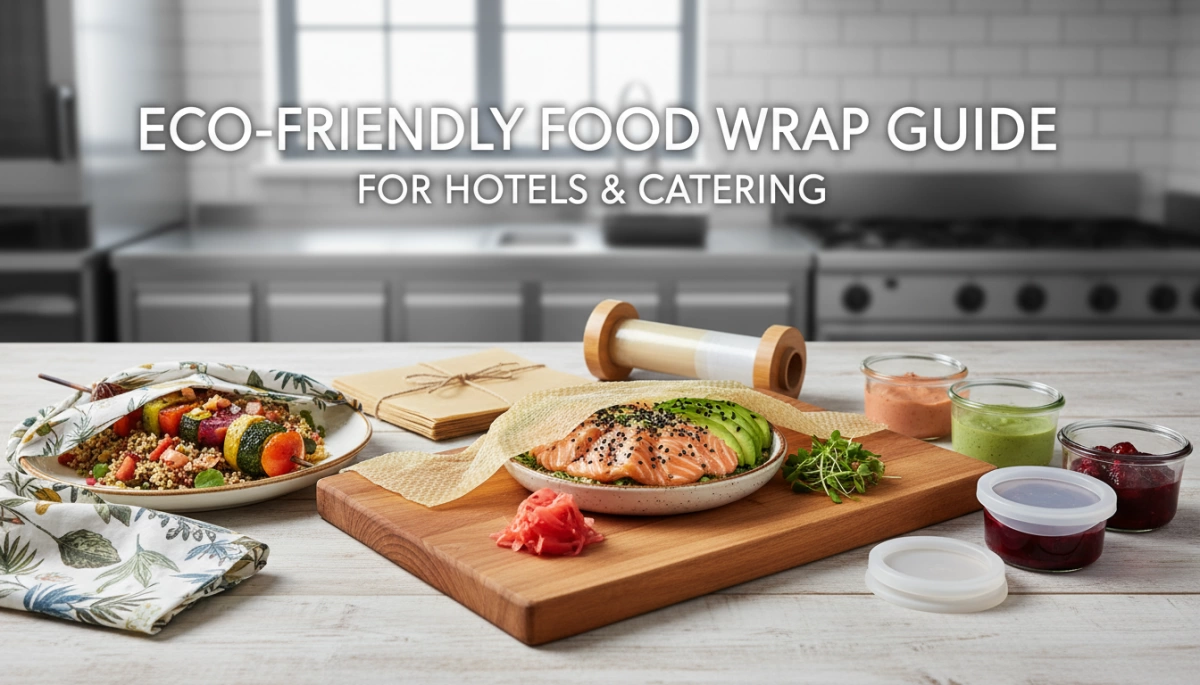
The hospitality landscape is shifting rapidly as we approach 2026, driven by tighter environmental regulations and evolving guest expectations. For US-based hotels and catering operations, the pressure to reduce single-use plastics is no longer just a trend—it is a compliance necessity. We are seeing a massive move toward sustainable food wrap alternatives that meet strict regulatory standards without disrupting kitchen workflows.
Navigating the Shift to Eco-Friendly Hotel Packaging
Transitioning to green solutions requires understanding the material differences. We focus on replacing traditional, hard-to-recycle PVC with materials that offer a circular lifecycle or natural degradation.
- Recyclable PE (Polyethylene): Unlike PVC, PE is widely recyclable and free from harmful plasticizers. It offers high clarity and safety for direct food contact, making it a staple for conscious kitchens.
- Biodegradable Films: Our biodegradable cling film for catering utilizes blends like PBAT and PLA. These materials provide the necessary cling and barrier properties but break down naturally under specific conditions, significantly lowering landfill impact.
- Reusable Solutions: For internal storage and mise en place, integrating reusable options like high-grade silicone can drastically reduce daily waste. Exploring the benefits of using eco-friendly silicone pouches reveals how these durable alternatives complement disposable wraps in a high-volume kitchen.
Artfullife® Performance: Green Without Compromise
At Artfullife, we believe sustainability shouldn’t come at the cost of food safety or performance. Our manufacturing process prioritizes renewable resources and recyclable packaging while maintaining the industrial strength required for professional catering. Whether you need compostable food service wraps or recyclable PE, our OEM/ODM capabilities ensure the product meets FDA and CE standards for food contact safety.
We engineer our eco-friendly films to maintain excellent oxygen barrier properties and anti-fog features, ensuring that fruit trays and pre-plated meals remain fresh and visually appealing.
Comparison of Sustainable Wrap Options
| Material Type | Primary Eco-Benefit | Performance Characteristics | Best Application |
|---|---|---|---|
| Recyclable PE | 100% Recyclable stream | High clarity, strong seal, non-toxic | General food storage, room service |
| Biodegradable (PBAT/PLA) | Decomposes naturally | Moderate breathability, good cling | Short-term catering, bakery items |
| Compostable Films | Industrial compost certified | Eco-friendly disposal, safe contact | Eco-conscious events, organic delis |
By sourcing these materials directly from our factory, hotels can secure consistent quality and competitive pricing while actively meeting their sustainability targets.
Cost Efficiency and Operational Tips

In the high-pressure environment of US hospitality, margins are thin, and wasted consumables eat directly into profits. As a supplier, I see many kitchens burning through budget simply because of how they handle their film. Optimizing your wrap usage isn’t just about buying cheaper rolls; it’s about smarter application and sourcing.
Reducing Waste Through Training
The “tear and stretch” method is a major source of waste. When staff manually tear film without a cutter, they often stretch the material to the point of failure or pull off 20% more than needed.
- Use Slide Cutters: Always equip stations with dispenser boxes featuring slide cutters. This ensures a clean cut and precise sizing every time.
- Right Width for the Job: Don’t use an 18-inch roll to cover a small prep bowl. Match the film width to your standard container sizes.
- Tension Control: Train staff to rely on the film’s natural cling rather than excessive stretching, which can actually break the seal.
Avoiding Common Wrapping Mistakes
A common habit in busy kitchens is “double-wrapping” or even triple-wrapping containers because the staff doesn’t trust the film’s grip. If you are using high-quality commercial cling film, one layer should provide a perfect airtight seal. Over-wrapping doubles your cost instantly.
Furthermore, never compromise on safety to save a few cents. Using non-food-grade films (often intended for pallet wrapping) is a massive liability. Understanding the specific properties of your materials, like those found in our PVC cling film definition and safety guide, helps ensure you are using safe, compliant materials that actually perform, reducing the urge to over-use the product.
Bulk Sourcing for Consistency
Partnering with reliable bulk food wrap suppliers is key to operational stability. When you buy spot-market or generic “value” brands, the micron thickness often varies from roll to roll.
- Lock in Specs: Specify your required thickness (e.g., 10μm for prep, 12μm for storage) and hold your supplier to it.
- Volume Forecasting: Analyze your quarterly usage to negotiate better rates on pallet-sized orders.
- Consolidate Orders: Sourcing your foil, baking paper, and cling film from a single vendor can reduce shipping costs and administrative overhead.
Commercial Food Wrap Specifications Table
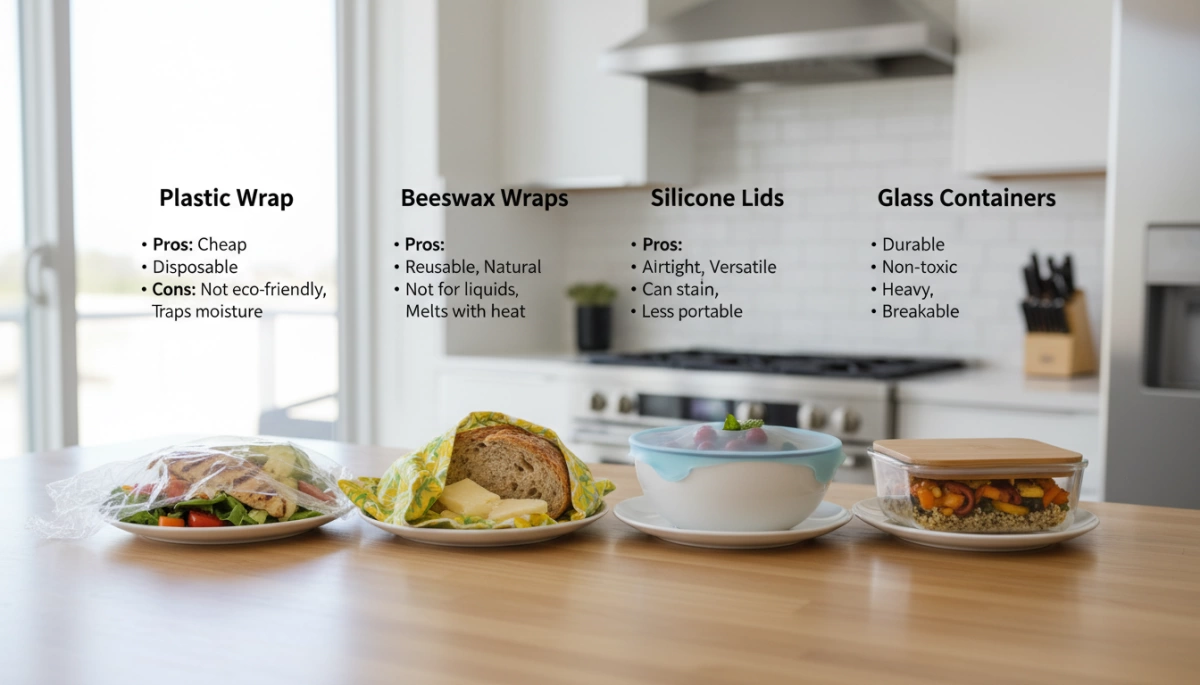
Selecting the correct micron thickness food film and material type is critical for maintaining catering food safety wrapping standards and reducing waste. At Artfullife, we engineer our products to meet the rigorous demands of high-volume hospitality environments, ensuring every roll delivers consistent performance.
Below is a detailed breakdown of our professional-grade materials to help you choose the right solution for your kitchen’s specific needs, from PE vs PVC cling film comparison to heavy-duty foil applications.
| Material | Thickness (μm) | Recommended Width | Primary Applications | Temperature Range | Sustainability Notes |
|---|---|---|---|---|---|
| PE Cling Film | 8–12μm | 12″ – 18″ (30–45cm) | General prep, cheese, microwave reheating, cold storage | -76°F to 230°F (-60°C to 110°C) | Recyclable, Non-toxic, Chlorine-free |
| PVC Cling Film | 9–14μm | 12″ – 18″ (30–45cm) | Fresh fruit display, meat trays, high-cling requirements | -22°F to 176°F (-30°C to 80°C) | Conventional Plastic (High Clarity) |
| Aluminum Foil | 11–20μm | 12″ – 18″ (30–45cm) | Grilling, roasting, heat retention, lining steam pans | -40°F to 1112°F (-40°C to 600°C) | 100% Recyclable (Clean) |
| Biodegradable Film | 10–12μm | 12″ – 18″ (30–45cm) | Organic catering, short-term storage, eco-hotels | -22°F to 185°F (-30°C to 85°C) | Certified Compostable (PBAT/PLA) |
Key Specification Notes:
- Customization: As a direct factory, we offer OEM/ODM services to adjust width and thickness based on your specific hotel kitchen food storage wraps requirements.
- Compliance: All materials are FDA and CE certified for safe food contact.
- Eco-Focus: For businesses transitioning to greener operations, our sustainable packaging solutions for the food industry provide high-performance alternatives that align with modern CSR goals without sacrificing durability.
Frequently Asked Questions
Is PE cling film safe for microwave use?
Yes, our PE (Polyethylene) cling film is a safe choice for microwave reheating. Unlike traditional PVC wraps, our PE formulas are free from harmful plasticizers. However, for the best results in a professional kitchen, we recommend leaving a small corner open to vent steam and avoiding direct contact with high-fat foods during heating.
When should aluminum foil be avoided?
You should avoid using aluminum foil with highly acidic or salty foods. Ingredients like tomatoes, citrus fruits, and vinegar-based marinades can react with the metal. This reaction often causes the foil to break down (pitting) and can transfer a metallic taste to your dishes.
How do biodegradable wraps perform in commercial freezers?
Modern biodegradable wraps are engineered to withstand cold storage without becoming brittle. We design our eco-friendly films to maintain flexibility and seal integrity even in deep-freeze environments, preventing freezer burn just as effectively as conventional plastics.
What certifications should hotel procurement look for?
For the US hospitality market, FDA compliance is the baseline requirement for any food contact material. To ensure comprehensive safety, we also maintain CE, ROHS, and FCM certifications. Understanding the specific properties of your film is crucial; for instance, comparing antimicrobial vs. antioxidant food film can help you select the right protection for sensitive ingredients.
Can sustainable wraps handle high-volume catering demands?
Absolutely. We understand that a busy banquet kitchen cannot afford material failure. Our sustainable options, including recyclable PE and biodegradable blends, are manufactured with industrial-grade tensile strength and cling properties to keep up with the fast pace of high-volume catering operations.