
















What Is PVC Cling Film?
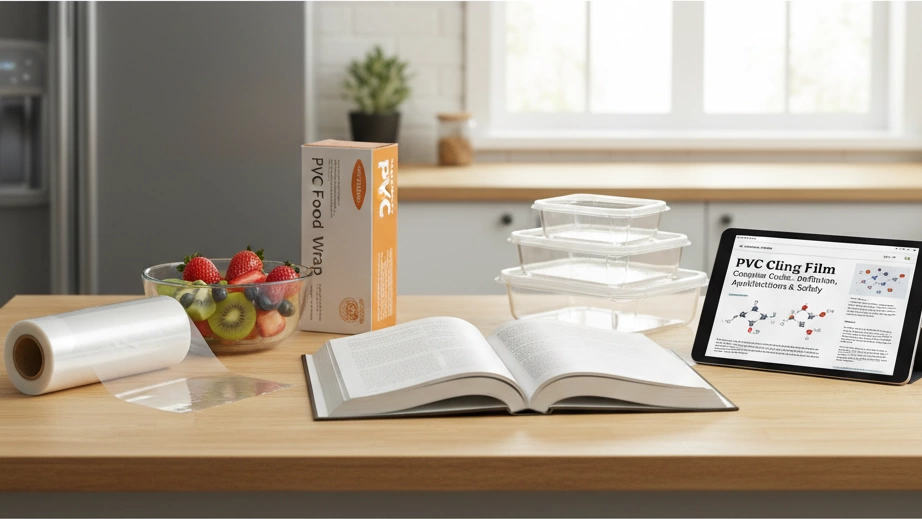
PVC cling film is a type of plastic wrap made primarily from polyvinyl chloride (PVC) combined with plasticizers like DEHA, DOA, or ATBC. These plasticizers make the film flexible and sticky, giving it the “cling” that securely wraps food.
How It’s Made
There are two common manufacturing methods:
- Cast Film: PVC is melted and spread onto a chilled roller, producing a smooth, thin film with excellent clarity and consistent thickness.
- Blown Film: PVC is extruded into a bubble, inflated, and cooled, resulting in stronger, stretchier films but slightly less clarity.
Key Chemical Composition
- Polyvinyl Chloride (PVC): The base polymer providing structure.
- Plasticizers: Traditionally DEHA was common, but newer, safer options like DOA and ATBC are increasingly used due to regulatory pressure.
Important Physical Properties
- High oxygen transmission: Ideal for keeping fresh meat, fish, and produce oxygenated to retain color.
- Excellent cling: Wraps tightly around irregular shapes without slipping.
- Heat resistance up to 70 °C (158 °F): Suitable for refrigerated and some warming applications (not microwave safe).
Typical Thickness and Sizes
- Thickness ranges from 8 to 15 microns, balancing strength and transparency.
- Standard widths usually range from 30 to 45 centimeters, tailored for supermarket and deli counter use.
In sum, PVC cling film is the go-to choice in supermarkets for fresh food packaging thanks to its clarity, cling strength, and oxygen permeability.
Key Applications of PVC Cling Film in 2025
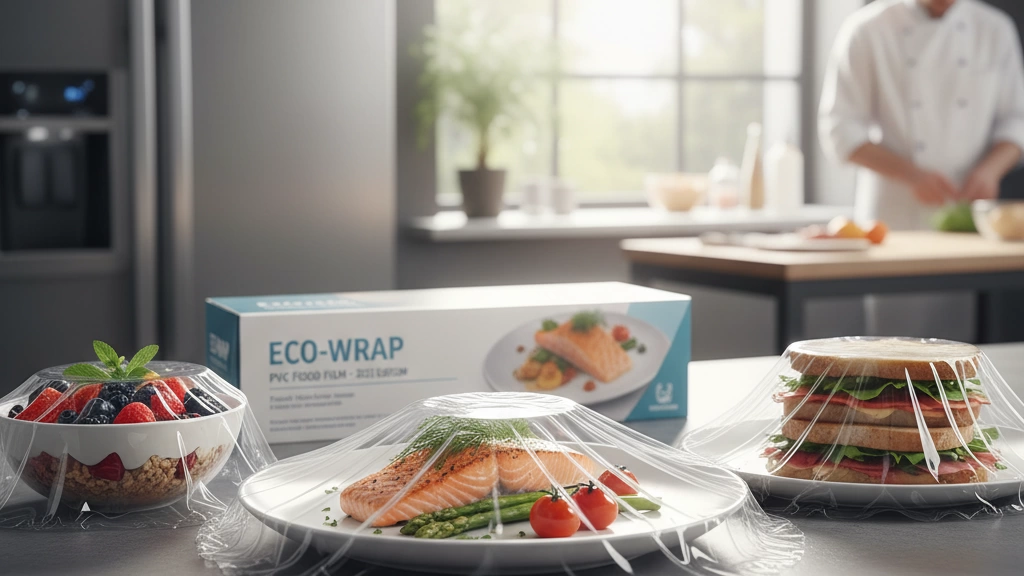
PVC cling film remains a staple across various sectors in 2025, especially in supermarkets and fresh produce departments. It’s widely used to wrap fresh meat, fish, and deli items, thanks to its excellent cling and oxygen permeability that helps keep products fresh and visually appealing. Ready-meal packaging and tray overwraps also rely on PVC cling film to provide secure sealing while allowing customers to see the food inside.
In cold-chain logistics and refrigerated transport, PVC film plays a critical role by helping maintain product quality during transit with its moderate heat resistance and tight seal. Beyond retail, catering services, hotels, and institutional kitchens use PVC cling film for efficient food storage and prep, as it offers reliable protection against moisture loss and contamination.
For those interested in the packaging industry, our compact cling film systems provide detailed insights into the latest advances suited for these applications.
Safety & Regulatory Compliance (The Facts in 2025)
When it comes to PVC cling film, safety is a top priority — especially around plasticizer migration. Older plasticizers like DEHA have raised concerns because they can migrate into food. That’s why many manufacturers now prefer newer, safer alternatives such as ATBC and DOA, which have a better safety profile and lower migration risk.
In 2025, PVC cling film used for food packaging in the U.S. must comply with strict regulations, including FDA standards under 21 CFR 178.3740. Similarly, the European Union follows EU 10/2011, and China enforces GB 9685-2016. These regulations set maximum migration limits for plasticizers and other additives to ensure food safety.
Leading manufacturers have completely phased out banned plasticizers like DEHP, DBP, and BBP to meet global safety benchmarks. They also back this up with independent lab testing, so buyers should always request certificates of compliance and detailed migration test reports before purchasing.
For those interested in understanding more about FDA- and EU-approved PVC cling film, our detailed overview of US and EU certifications for food-grade plastic bags is a helpful resource.
PVC Cling Film vs PE Cling Film – Head-to-Head Comparison
When choosing cling film for your food packaging needs, understanding the differences between PVC cling film and PE cling film is crucial. Here’s a quick comparison of key features to help you decide which film suits your application best:
| Feature | PVC Cling Film | PE Cling Film |
|---|---|---|
| Cling Strength | Excellent, sticks tight without residue | Good, but less cling than PVC |
| Oxygen Permeability | High (allows fresh red meat to breathe) | Low (better for freezing) |
| Fog Resistance | Moderate, possible fog on cold items | High, anti-fog properties available |
| Temperature Range | Up to 70°C (safe for refrigerated use) | Microwave and freezer safe |
| Cost | Generally higher due to plasticizers | Usually cheaper and more eco-friendly |
| Environmental Impact | Contains plasticizers; less recyclable | More recyclable, eco certifications possible |
When PVC Cling Film Wins:
- Packaging fresh red meat, fish, and cheese because of its excellent cling and oxygen permeability
- Overwrap for supermarket deli counters needing clear, tight seals
- Applications where film clarity and tight hold are essential
When PE Cling Film Is Better:
- Microwave-ready meals, due to better heat resistance beyond 70°C
- Freezer storage, thanks to better low-temperature performance and anti-fog options
- Situations demanding eco-friendly and recyclable packaging materials
For more information on the chemical and physical differences, see our detailed guide on what is cling film made of. Understanding these factors will help you make the right choice for your packaging needs in 2025 and beyond.
How to Choose the Right PVC Cling Film Supplier in 2025
Picking the right PVC cling film supplier isn’t just about price. Here’s what to look for in 2025:
| Factor | What to Expect |
|---|---|
| Certifications | BRCGS, ISO 22000, FDA registered—proof of safety and quality compliance |
| Cutter Box & Dispenser | Durable cutter box that’s easy to use and fits standard dispensers |
| Customization | Options for width, thickness (micron), core size, and private label services |
| MOQ & Lead Time | Transparent minimum order quantities and realistic delivery timelines |
| Pricing | Clear pricing with no hidden costs or surprise fees |
| Sustainability | Use of recyclable cores, low migration plasticizers like ATBC, and eco-friendly formulas |
| Red Flags to Avoid | Suppliers without certifications, vague specs, inconsistent quality, or poor customer support |
Why Artfullife? We are trusted by over 500 supermarket chains worldwide because we check all these boxes. Our cling film meets strict safety standards and offers customizable options designed for smooth supermarket and fresh produce use. For those interested in plastic food wrap options, here’s a detailed choice guide on our custom-made PE cling film to complement your packaging needs.
Choosing a reliable supplier like Artfullife helps supermarket professionals and retailers keep food fresh safely, while managing costs and sustainability goals.
Storage, Handling & Best Practices for PVC Cling Film
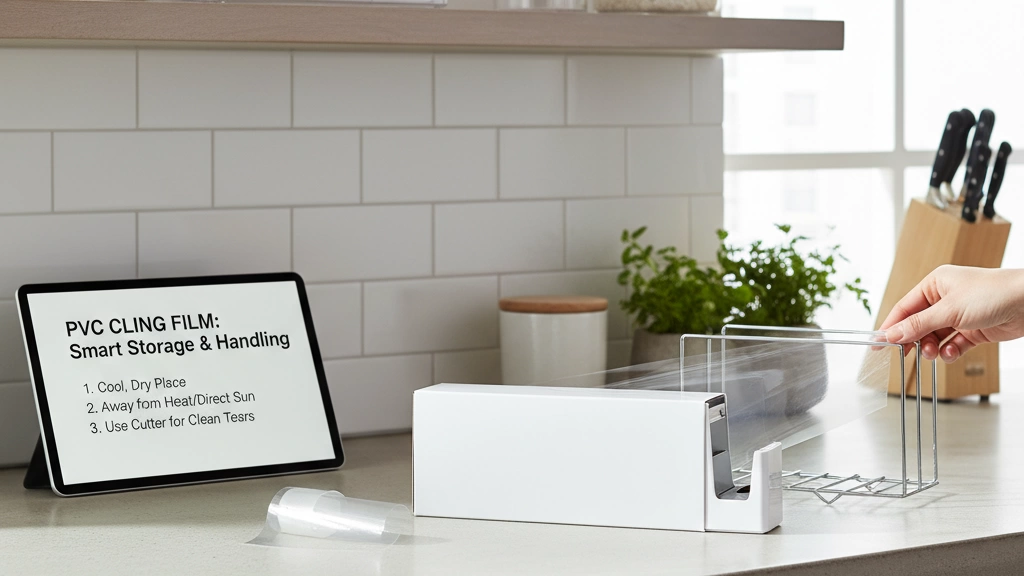
To keep your PVC cling film in top shape, store it in a cool, dry place away from direct sunlight and high humidity. This helps prevent plasticizer bloom, a whitish residue that can form if the film gets too warm or moist during storage.
When cutting PVC cling film, use a sharp blade or cutter box designed for clean, straight edges. Dull blades can cause jagged cuts and reduce cling performance. Opt for dispenser boxes that fit your cutter for the best results.
Common issues like fogging or weak cling can often be fixed by:
- Storing the roll properly to avoid overheating or moisture buildup.
- Keeping the film away from greasy surfaces before use.
- Ensuring the surface you’re wrapping is clean and dry.
For more tips on safe food storage and packaging, check out our guide on clean reusable food storage bags. Proper handling extends the life and effectiveness of your cling film, making it a reliable solution for supermarket and food service uses.
Frequently Asked Questions about PVC Cling Film
Is PVC cling film safe for fatty foods?
Yes, food-grade PVC cling film approved by the FDA and EU standards is safe for wrapping fatty foods. However, it’s essential that the film uses safer plasticizers like ATBC or DOA instead of older types like DEHA, to minimize any plasticizer migration into food.
Can PVC cling film go in the microwave?
Typically, PVC cling film is not recommended for microwave use because it can soften or melt at high temperatures (above 70 °C). For microwave applications, PE cling film is a better choice due to its higher heat tolerance.
What is the difference between food-grade and industrial PVC film?
Food-grade PVC film meets strict safety standards (FDA 21 CFR 178.3740, EU 10/2011) meant for direct contact with food. Industrial PVC films do not meet these certifications and may contain additives unsuitable for food wrapping. Always look for certified food-grade labels when purchasing cling film for food use.
Is PVC cling film being phased out in Europe (2025 status)?
While some European markets are reducing PVC cling film use due to environmental concerns and plasticizer regulations, PVC cling film remains widely used in fresh meat and fish packaging where its strong cling and oxygen permeability are unmatched. However, the industry is gradually shifting toward safer plasticizers and recyclable solutions.
How to recycle PVC cling film commercially?
Commercial recycling of PVC cling film requires specialized sorting and processing facilities due to its chemical composition. Many recycling programs do not accept PVC film curbside. For best sustainability results, choose suppliers offering recyclable cores and reduced-plasticizer formulations. For more on cling film packaging and recycling trends, see our detailed cling film performance and technical specifications guide.
If you’re interested in safer cling film options with clear compliance and fresh produce compatibility, check out our commercial-grade cling film solutions.