

















The Basics What Are Silicone and Plastic Materials
Understanding the environmental impact of silicone production vs. plastic begins with knowing what these materials are. Both silicone and plastic serve as versatile, lightweight options widely used across industries—from kitchenware to packaging—but their origins and structures differ significantly.
Plastic is primarily derived from fossil fuels like petroleum and natural gas. It is a polymer built from long chains of hydrocarbons, designed to be durable and inexpensive. While plastics come in many varieties, the majority contributes to widespread plastic pollution due to slow natural degradation and issues like microplastics contaminating ecosystems.
On the other hand, silicone is a synthetic material composed of silicon, oxygen, carbon, and hydrogen. It is made by refining silica found in sand—a silica mining environmental effect to consider—and chemically bonding it into flexible, heat-resistant polymers. Silicone’s unique chemical structure offers impressive durability and resistance to breakdown under typical use conditions, setting it apart in terms of silicone sustainability.
Both materials shine in their own ways:
- Plastic: Low upfront cost, versatile shapes and uses, but often single-use and prone to lasting pollution.
- Silicone: More resource-intensive to produce but highly durable, reusable, and less likely to fragment into harmful microplastics.
This distinction plays a crucial role in lifecycle assessments of the materials, informing eco-conscious choices. While there is no perfect solution, grasping these basics helps frame the deeper conversation around carbon footprint comparison, biodegradable plastic substitutes, and finding eco-friendly food storage alternatives that truly make a difference.
Ready to explore how their production, use, and disposal affect the environment? Let’s dig deeper into their lifecycle impacts in the next section.
Production Phase Emissions and Resource Drain in Silicone and Plastic
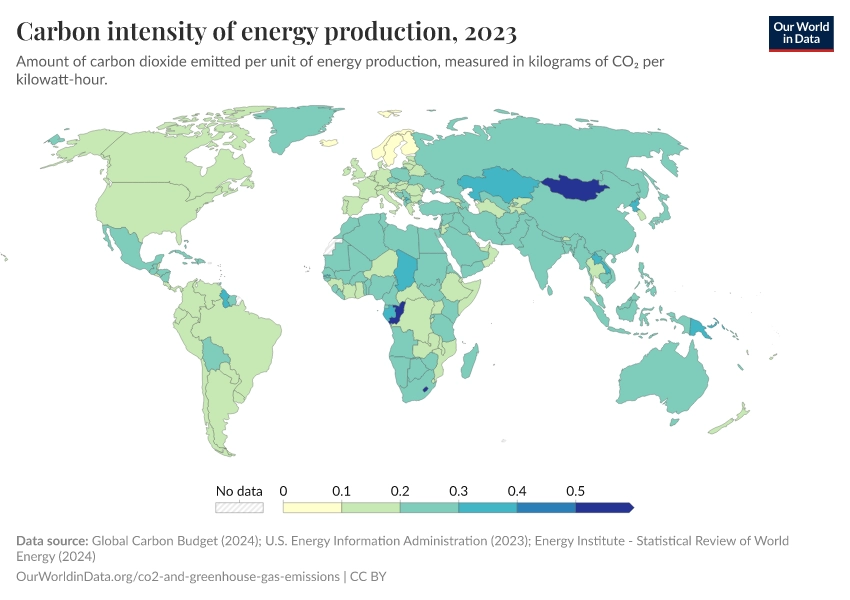
When comparing the environmental impact of silicone production vs plastic, it’s important to look beyond just the materials themselves and focus on what it takes to make them. Both involve energy-intensive processes, but the differences can be significant.
Energy Use and Carbon Footprint
Plastic production typically relies on fossil fuels, mostly petroleum and natural gas. Extracting and refining these raw materials emits a heavy amount of greenhouse gases. This means a higher carbon footprint right from the start. The process also contributes to ongoing concerns like plastic pollution alternatives because plastics often leak into the environment even before they hit stores.
In contrast, silicone comes from silica, which is extracted from sand and quartz. While silica mining does impact the environment by disturbing land and consuming energy, the carbon emissions during silicone production can be somewhat lower than plastics depending on the type of plastic being compared. The refining and polymerization of silicone requires energy, but it generally doesn’t rely on fossil fuels to the same extent.
Resource Use and Environmental Costs
- Plastic uses non-renewable fossil fuels, making it less sustainable in raw material sourcing.
- Silicone production depends on silica mining, which can cause habitat disruption and requires energy-intensive processing but uses widely available minerals.
- Both materials involve chemical additives, some of which may pose environmental risks during production.
Chemical Pollution and Waste Byproducts
Plastic manufacturing often involves volatile organic compounds (VOCs) and other hazardous chemicals that can contaminate air and water sources near factories. Silicone production releases fewer toxic byproducts but is not entirely free from pollution concerns.
- Plastic production drains more fossil fuel resources and releases more greenhouse gases.
- Silicone production uses abundant silica but still has an environmental footprint tied to mining and processing electricity demands.
- Both have chemical pollution risks, but plastics tend to produce more toxic emissions during manufacture.
Considering these details helps us weigh the full life cycle assessment of materials and understand which option might better fit the goals of reducing environmental harm, especially for American consumers looking for eco-friendly food storage that is also mindful of its production legacy.
Usage and Durability The Reusability Edge of Silicone vs Plastic
When it comes to silicone sustainability and everyday use, durability and reusability stand out as major factors that influence environmental impact. Silicone is known for its long lifespan—it can handle extreme temperatures, from freezing to baking heat, without breaking down or warping. This makes it ideal for repeated use in kitchenware, food storage, and even medical products.
By contrast, most plastics degrade faster with daily wear and tear. Plastic food storage often becomes brittle or stained after a short time, pushing consumers to replace items frequently. This generates more disposable waste, increasing the environmental burden.
Why Silicone Lasts Longer
- Heat and cold resistant: Silicone withstands temperatures between -40°F and 450°F, making it microwave-safe, oven-safe, and freezer-ready.
- Flexible yet sturdy: Unlike plastics that can crack or warp, silicone maintains shape and function over time.
- Non-toxic and odor resistant: It doesn’t absorb smells or leach chemicals, making it better for repeated food contact.
Plastic’s Durability Challenges
- Susceptible to degradation: Exposure to sunlight and heat causes plastics to break down more quickly.
- Single-use culture: Many plastics are intended for one-time use, fueling the throwaway cycle.
- Microplastics concern: As plastic ages, it fragments into microplastics, polluting oceans and ecosystems.
The Reusability Impact on Waste Reduction
Choosing silicone food storage or products over typical plastic items helps reduce waste dramatically. Since silicone products last much longer, you’re less likely to toss them after a few uses, cutting down on what ends up in landfills or oceans.
For those interested in making the switch, check out silicone food storage bag options that highlight both durability and eco-friendly benefits. This move aligns with seeking plastic pollution alternatives that don’t compromise performance.
In short, silicone’s edge in durability and reusability makes it a smarter, more sustainable choice for consumers looking to lower their carbon footprint and reduce disposable waste over time.
End-of-Life Waste Recycling and Pollution Legacy of Silicone and Plastic
When it comes to end-of-life waste, both silicone and plastic have very different impacts on the environment, which greatly affects their overall sustainability.
Recycling Challenges and Options
- Plastic recycling is available on a large scale but is often inefficient. Only a fraction of plastic waste actually gets recycled due to contamination and sorting issues.
- Plastics commonly end up in landfills or the ocean, contributing heavily to plastic pollution and creating harmful microplastics that persist in ecosystems for decades.
- Silicone, made from silica and synthetic materials, is harder to recycle with traditional methods because it requires specialized facilities that aren’t widely available, limiting recycling options in most local U.S. markets.
- However, silicone doesn’t break down into microplastics like plastic does, minimizing the long-term pollution legacy in oceans and soil.
Waste Longevity and Degradation
- Plastics can take hundreds of years to degrade, leaching toxic chemicals during breakdown and posing risks to wildlife and human health.
- Silicone is more durable and resistant to degradation; it doesn’t crumble into tiny toxic particles but takes a long time to decompose under normal landfill conditions.
- Despite this, silicone’s stability means it doesn’t release harmful substances as it ages, making it less hazardous in waste sites.
Environmental Impact
- From a carbon footprint comparison, plastic waste contributes more to long-term pollution and ecosystem disruption.
- Silicone, while not perfect, has less impact on soil and water contamination thanks to its non-toxic nature and resistance against breaking into micro-sized pollutants.
- The main challenge is improving silicone sustainability by expanding recycling infrastructure and developing closed-loop systems for its reuse.
What This Means for U.S. Consumers
- If you’re aiming to reduce pollution legacy at home or in your community, opting for reusable silicone kitchenware over disposable plastics is a step forward.
- But keep in mind the limited recycling options for silicone products currently available in many U.S. regions—proper disposal through specialized programs where available is essential.
- Supporting brands and stores that invest in eco-friendly waste management solutions can help push the market toward better end-of-life options.
By understanding these differences, we can make smarter choices that help minimize long-term pollution and support a healthier U.S. environment.
Health and Broader Ecosystem Impacts of Silicone and Plastic
When considering silicone sustainability versus plastic, health and environmental effects are a big part of the story. Both materials impact our bodies and the planet, but they do so in very different ways.
Health Concerns with Plastics
Plastic often contains additives like BPA, phthalates, and other toxins. These can slowly leach into food and water, especially when plastics are heated or worn down. This raises health red flags like hormone disruption and potential long-term illnesses. The non-toxic kitchen materials market is pushing away from plastic because of these risks.
Also, plastics break down into microplastics, tiny particles now found everywhere—from the deepest oceans to our drinking water. These microplastics can enter the food chain, affecting wildlife and humans alike. The full health implications are still being studied but early data shows potential harm to lungs and digestive health.
Silicone’s Health Profile
Silicone, made mainly from silica (sand), is generally seen as safer and non-toxic. It doesn’t leach harmful chemicals and withstands heat better, making it a favorite for eco-friendly food storage and kitchenware. However, some concerns exist around the silica mining environmental effects, but these are less directly tied to human health.
Silicone breaks down much more slowly than some plastics but doesn’t produce harmful microplastics in the same way. This reduces some risk of pollution in water and soil, which benefits ecosystems.
Ecosystem Impact
- Plastic pollution harms marine and land ecosystems by choking and poisoning animals. It also contributes to long-lasting waste accumulation.
- Silicone is more durable and reusable, producing less disposable waste, but if not properly recycled, it still adds to landfill mass.
- Both materials’ production affects ecosystems through emissions, but plastic’s petroleum base typically means a larger carbon footprint.
The Big Picture
Choosing silicone over plastic can reduce toxic exposure and lower microplastic pollution, helping both human health and the environment. However, no material is perfect. Responsible use, recycling, and reducing waste remain crucial to limit harm and promote sustainability in the US and beyond.
Real-World Verdict Is Silicone the Better Choice for Environmental Impact
When deciding between silicone and plastic, the real question is which material offers a better overall environmental profile while meeting everyday needs. After looking at all phases—from production to disposal—silicone tends to come out ahead, especially for U.S. consumers focused on sustainability and durability.
Why Silicone Wins on Sustainability
-
Longer lifespan and reusability
Silicone withstands heat, cold, and wear far better than most plastics. This makes silicone products reusable for years, reducing the need for frequent replacements—a major plus when considering the carbon footprint over time.
-
Lower microplastic pollution risk
Unlike many plastics that break down into microplastics and contaminate waterways and soil, silicone does not degrade in the same harmful way. It breaks down much more slowly and does not release tiny plastic particles, which is critical in reducing plastic pollution alternatives.
-
Non-toxic and food safe
Silicone is often preferred for kitchen and food storage because it’s non-toxic and doesn’t leach harmful chemicals like some plastics can. This aligns well with the growing demand for eco-friendly food storage options in U.S. households that prioritize health and safety.
Production Trade-offs Matter
While silicone production involves mining silica and energy-intensive processes, the overall carbon footprint comparison can still favor silicone due to its extended lifespan and reduced waste generation. Plastic production not only consumes fossil fuels but also contributes more directly to pollution and waste challenges.
Disposal and Waste Challenges
One challenge with silicone is that it’s not widely accepted in curbside recycling programs, leading to landfill accumulation if not disposed of properly. However, since silicone lasts longer and reduces disposable waste, it typically contributes less frequent waste overall compared to single-use and short-lived plastics.
Silicone offers a smarter choice for reducing environmental impact when you factor in the full product lifecycle, from production emissions to end-of-life waste. For U.S. consumers hunting for sustainable kitchen helpers and everyday storage solutions, silicone’s durability, safety, and reduced pollution footprint make it a stronger alternative to disposable and less durable plastics.
For those ready to make the switch, check out some practical silicone options like reusable silicone bags that blend sustainability with convenience.
Sustainable Swaps from Artfullife Eco-Friendly Supermarket Solutions
When it comes to choosing eco-friendly food storage and kitchen supplies, Artfullife offers smart, sustainable swaps that help reduce plastic pollution and lower your carbon footprint. Their customized supermarket supplies focus on silicone sustainability and non-toxic kitchen materials, which are becoming essential for consumers in the U.S. who want greener everyday options.
Why Choose Artfullife’s Silicone-Based Products
- Durability and reusability: Unlike single-use plastics, silicone products from Artfullife are built to last. This means fewer replacements and less waste clogging landfills.
- Lower lifecycle environmental impact: Their products emphasize a cleaner carbon footprint comparison versus traditional plastics, factoring in both production and disposal phases.
- Safe materials for your family: Artfullife’s silicone goods avoid harmful chemicals usually found in plastic alternatives, supporting healthier homes and reducing risks tied to plastic pollution.
Customized Solutions for Grocery and Kitchen Needs
Artfullife supplies customizable supermarket materials designed specifically for U.S. markets that care about sustainability:
- Reusable silicone bags and wraps replace disposable plastic ones.
- Eco-friendly silicone lids and baking mats minimize reliance on single-use kitchen products.
- Alternatives to biodegradable plastic substitutes that often fail to break down properly, creating microplastic pollution.
The Bigger Picture: Supporting Recycling and Reduced Waste
Artfullife doesn’t stop at supplying products—they promote recycling and pollution legacy awareness, helping both supermarkets and customers understand the importance of end-of-life responsibility. By making the swap to silicone, you’re helping reduce not just “throwaway” waste but also the invisible issues like microplastics vs silicone degradation that impact local U.S. ecosystems.
Final Thought
Choosing Artfullife’s plastic pollution alternatives isn’t just about individual action—it’s a practical, scalable step towards broader eco-friendly food storage habits and sustainable supermarket practices across the country. For anyone in the U.S. looking to balance convenience with environmental responsibility, their solutions offer real impact without sacrificing quality or ease of use.