

















Key Criteria for Wholesale Reusable Grocery Bags Capacity and Durability
When choosing wholesale reusable grocery bags, it’s essential to focus on factors that affect both performance and longevity. After all, bulk reusable tote bags need to meet the practical demands of grocery retail while also promoting sustainability and cost efficiency. Let’s break down the key areas:
Capacity and Load Bearing Standards
- Optimal size for diverse shopping needs: Reusable bags should comfortably hold typical grocery loads. Look for bags with a capacity of 15 to 25 liters—large enough for fresh produce and packaged goods without being bulky.
- Weight tolerance matters: Bags must withstand the average grocery weight of 20 to 30 pounds without stretching or tearing. This standard prevents customer complaints and frequent replacements.
- Handles and stitching strength: Reinforced handles and seams are crucial in bulk reusable tote bags. Double-stitched edges and ergonomic handles help distribute weight evenly and avoid wear under strain.
- Tested load bearing certifications: Opt for suppliers who provide load testing results or certifications relevant to your region. This guarantees reliability for daily supermarket operations.
Durability and Reusability Lifespan
- Material resilience determines lifespan: Durable supermarket bag suppliers usually offer products that last through repeated use, cleaning, and heavy loads. Expect bags designed to last at least 100 reuse cycles.
- Resistance to wear and environmental factors: Bags should withstand moisture, light exposure, and repeated washing without fading or breaking down.
- Tear and abrasion resistance: Non-woven polypropylene bags, for example, are known for their tear-resistant properties which contribute to longer usability in wholesale grocery bag pricing scenarios.
- Sustainability meets durability: Choosing reusable bags that combine strength with eco-friendly materials means fewer bags discarded. This supports both environmental goals and retail economics.
- Evaluate total cost of ownership: A bag with a higher upfront cost but better durability often saves money over time because it reduces replacements and waste.
What this means for retailers
Selecting bags with a balanced capacity and robust durability is key to satisfying customer expectations and operational needs. Bulk reusable tote bags that meet these criteria make your supermarket supply chain more sustainable and cost-effective. For more detailed guidance on maintaining bag quality and longevity, see our wholesale food bags procurement guide.
By prioritizing these factors, you ensure your wholesale eco-friendly grocery totes withstand real-world demands while reinforcing your commitment to sustainable packaging for retailers.
Top Materials for Reusable Grocery Bags Wholesale Eco-Friendly Choices
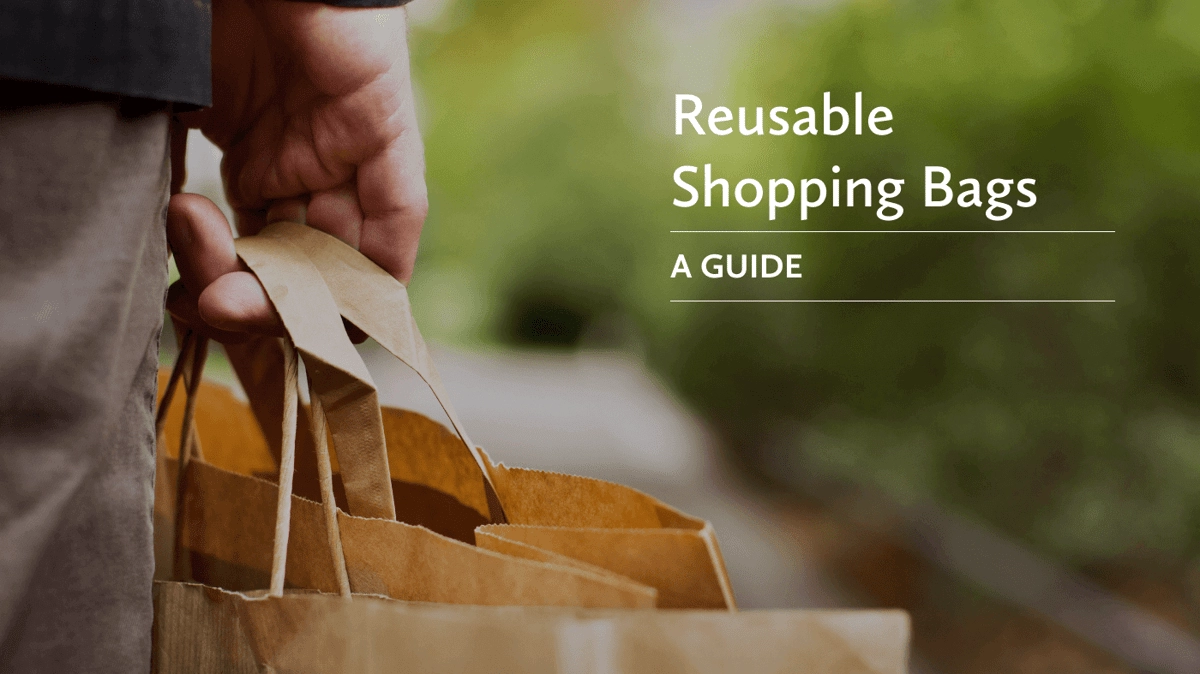
When choosing bulk reusable tote bags for your grocery store, knowing the materials can help you pick the right balance between cost, durability, and customer preference. Here’s a breakdown of the top materials used in eco-friendly grocery totes wholesale and what you should consider:
Non Woven Polypropylene The Affordable Workhorse
Pros:
Lightweight yet strong, capable of handling heavy loads.
Water-resistant and easy to clean, perfect for everyday groceries.
One of the most cost-effective materials for bulk orders.
Holds printed logos well, making it ideal for custom printed shopping bags.
Cons:
Not biodegradable, so less eco-friendly than natural fibers.
Can wear out faster if heavily used or overloaded.
Wholesale Tip:
If you need durable supermarket bag suppliers at a budget-friendly price, non woven polypropylene offers great value and solid longevity for the price.
Recycled PET and Cotton Eco Premium Choices
Pros:
Made from recycled plastics (rPET) or natural cotton, both excellent for sustainability.
Soft texture and high durability, delivering a premium feel.
Biodegradable (cotton) and highly recyclable (rPET), aligning well with sustainable packaging for retailers.
Appeals to eco-conscious consumers.
Cons:
Higher cost per bag compared to polypropylene.
Cotton bags may require careful cleaning to maintain quality over time.
Wholesale Tip:
For stores targeting green shoppers, investing in recycled PET reusable carriers or cotton bags leads to stronger brand loyalty despite the higher upfront cost.
Mesh and Jute Specialized for Produce and Bulk Items
Pros:
Mesh bags are breathable, ideal for reusable produce mesh bags and fresh items.
Jute is sturdy, natural, and has a rustic appeal that fits organic and specialty markets.
Both materials are biodegradable and sustainable.
Mesh bags are lightweight and pack down flat, great for customers buying loose fruits and veggies.
Cons:
Mesh can tear if overloaded or snagged.
Jute bags may be rough and less water-resistant than synthetic options.
Wholesale Tip:
Use mesh or jute bags as a specialized solution for produce and bulk items. They enhance the shopping experience, reduce plastic waste, and strengthen your store’s eco brand.
Selecting the right material depends on what your customers expect and what fits your store’s branding. By balancing cost, durability, and eco-friendliness, you can find the best reusable grocery bags for your wholesale needs that keep shoppers coming back.
Customization and Branding for Wholesale Reusable Grocery Bags
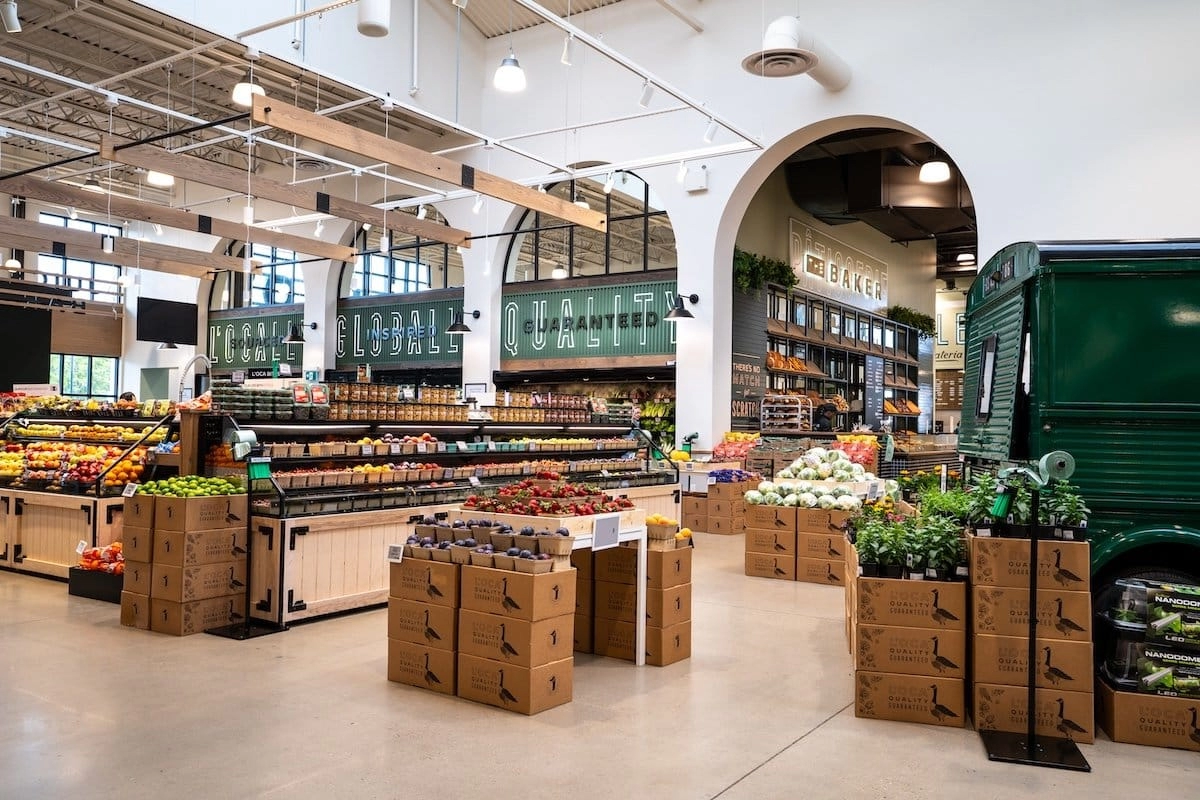
When choosing bulk reusable tote bags for your supermarket or grocery store, customization and branding can make a big difference. Working with a reliable supplier like Artfullife® helps you elevate your store’s image and connect with your customers through personalized, eco-friendly bags.
Design Options for Wholesale Orders
Artfullife® offers a wide range of custom printed shopping bags tailored to your needs. Here’s what you can expect:
| Design Feature | Benefits | Notes |
|---|---|---|
| Full-color logo printing | Boosts brand visibility | High-quality, fade-resistant inks |
| Variety of bag styles | Choose from tote, mesh, drawstring | Match bags to specific store or product use |
| Size and capacity options | Fits all grocery needs | From small produce bags to large grocery totes |
| Custom colors | Aligns with your brand palette | Enhances shelf appeal and customer recognition |
Custom branding on eco-friendly grocery totes wholesale not only promotes your store but also encourages customers to reuse bags, supporting sustainability goals.
Compliance and Certifications for Local Markets
Choosing durable supermarket bag suppliers that meet the local requirements is essential. Artfullife® ensures products follow:
- FDA and USDA food contact safety standards for produce bags
- Recycling and biodegradable certifications where applicable
- Local and state eco bag regulations for reusable bag materials
- Proper labeling for compostability or recyclability
Meeting these compliance factors keeps your store on the right side of the laws while appealing to environmentally conscious shoppers.
Why Custom Branded Bags Matter
- Stand out from competitors with branded eco bags for stores
- Build customer loyalty through quality and personalized bags
- Promote sustainable packaging for retailers locally
- Drive repeat business by offering bags shoppers want to reuse
By customizing your wholesale grocery bags with Artfullife®, you invest in both your brand’s reputation and the planet.
Cost Saving Strategies for Bulk Grocery Bag Procurement

When buying bulk reusable tote bags for your store, smart strategies go a long way in lowering costs without sacrificing quality or sustainability. Here’s how to get the best deal on eco-friendly grocery totes wholesale and optimize your investment.
Negotiate Wholesale Pricing and MOQs
- Understand Minimum Order Quantities (MOQs): Many suppliers set MOQs to keep their costs low, but these can often be negotiated—especially if you commit to recurring orders. Don’t hesitate to ask for lower MOQs or better pricing as your order size increases.
- Ask for Volume Discounts: Suppliers commonly offer wholesale grocery bag pricing tiers for larger orders. Always request a quote for multiple quantities to see price breaks.
- Bundle Orders: Combine different bag types—like non-woven polypropylene bags with reusable produce mesh bags—to hit higher volume discounts and diversify your stock.
- Consider Long-Term Relationships: Establishing a steady buying relationship with durable supermarket bag suppliers can unlock exclusive deals, faster lead times, and priority during supply shortages.
Total Cost of Ownership Beyond the Sticker Price
- Factor in Lifespan and Durability: Cheaper bags upfront may cost more over time if they wear out quickly. Choose bags with proven durability and reusability lifespan to reduce replacement frequency.
- Evaluate Cleaning and Maintenance Costs: Some materials require special care. Bags that are easier to maintain reduce overall operational expenses.
- Account for Customization and Branding Fees: Custom printed shopping bags can boost your brand but add to costs. Balance the branding benefits with your budget to maximize return.
- Consider Environmental Impact: Selecting reusable bags made from recycled PET or sustainable materials might have a higher price but appeal to eco-conscious customers, potentially increasing store loyalty and sales.
By focusing on these tactics, you’ll ensure your grocery wholesale bags deliver value and savings well beyond the initial purchase price.
Maintenance Hygiene and Best Practices for Long Term Use of Reusable Grocery Bags
Keeping bulk reusable tote bags clean and safe is essential to ensure they last longer and stay hygienic for shoppers. Proper maintenance reduces the risk of contamination and protects both customers and store staff.
Cleaning Protocols to Prevent Contamination
When it comes to eco-friendly grocery totes wholesale, following a straightforward cleaning routine helps avoid bacteria buildup:
- Regular Washing: Most reusable bags, especially those made from materials like non-woven polypropylene or recycled PET, can be wiped down or machine washed. Wash bags every few uses, particularly if they carry fresh produce or meat.
- Use Mild Detergents: Avoid harsh chemicals that might degrade the bag’s material or leave harmful residues. Warm water with mild soap is enough.
- Dry Thoroughly: Air dry bags completely before storage to prevent mold or mildew growth.
- Separate Bags by Use: Use specific bags for produce, meats, and dry goods to avoid cross-contamination. Labeling bags or using different colors can help.
- Inspect Bags Regularly: Check for tears, worn handles, or holes. Damaged bags should be replaced or repurposed to avoid accidents or contamination.
Integrating Reusable Bags into Grocery Operations
For supermarkets and retailers, making branded eco bags for stores part of daily operations takes some planning:
- Train Staff: Educate employees on bag cleaning schedules, inspection routines, and proper handling to maintain hygiene standards.
- Encourage Shopper Participation: Promote the benefits of reusable bags and provide clear cleaning instructions at checkout or through signage.
- Offer Replacement Options: Keep a stock of wholesale produce bags or mesh grocery bags so customers can easily swap out old or damaged ones.
- Record Usage and Turnover: Track bag lifespans and reorder in bulk to maintain consistent supply and cost efficiency.
- Partner with Durable Supermarket Bag Suppliers: Choose suppliers that offer easy-to-clean, reliable, and sustainable packaging options tailored for high-traffic grocery environments.
By emphasizing these maintenance and hygiene best practices, you ensure your reusable grocery bags remain safe, sustainable, and a valuable part of your store’s eco-friendly grocery initiatives.