











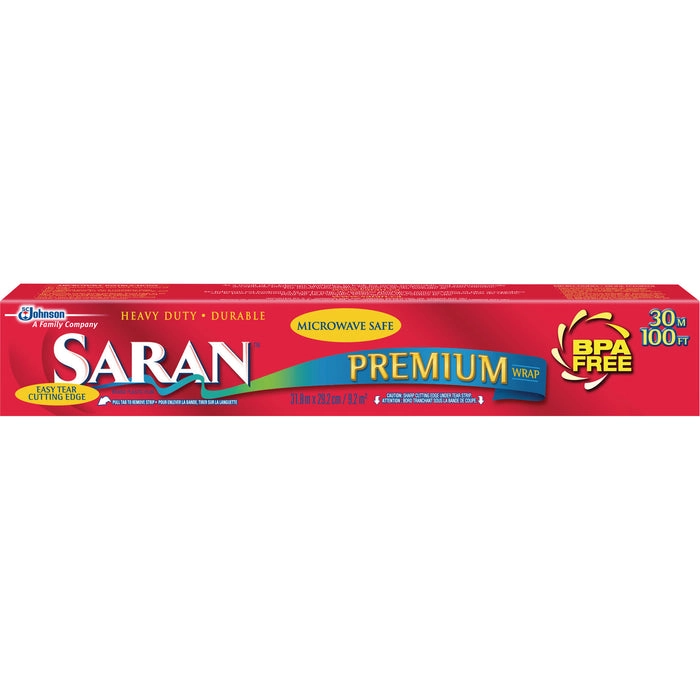
Is Saran Wrap Toxic When Heated? The Truth You Need to Know
You’ve probably wrapped leftovers in Saran Wrap or popped a dish in the microwave with plastic wrap covering it, but then wondered—is this safe? Concerns about toxic chemicals leaching into food when heated are real, and you’re not alone in questioning plastic wrap safety. As eco-conscious folks at Ecoartfullife, we get it: you want to keep your food fresh without risking your health or the planet.
In this guide, we’ll break down the science behind Saran Wrap, uncover the risks of heating plastic wrap, and share why eco-friendly alternatives like our reusable beeswax wraps are a smarter choice. Ready to get the facts and make safer kitchen choices? Let’s dive in!
What Is Saran Wrap Made Of
Saran Wrap was originally made from polyvinylidene chloride (PVDC), a plastic known for its excellent barrier against moisture and oxygen. Early formulations often included phthalates, chemicals used to increase flexibility but later linked to health concerns. Because of these issues, manufacturers shifted away from PVDC and phthalates in the 2000s.
Today, most Saran Wrap is made from low-density polyethylene (LDPE), a safer and more environmentally friendly plastic. LDPE is flexible, durable, and widely used in food packaging because it has a lower risk of leaching harmful chemicals. However, some types of LDPE may contain additives like diethylhexyl adipate (DEHA), which acts as a plasticizer. While DEHA is approved for food contact by regulatory agencies, there is ongoing discussion about its long-term safety when heated.
Compared to other plastics like PVC or polystyrene, LDPE is generally considered one of the safer options for food storage. It has less potential for releasing toxic chemicals, especially when used according to guidelines. This shift to LDPE reflects an effort to balance food safety, functionality, and environmental concerns in plastic wrap production.
For more insights into different types of plastic wrap materials and their safety profiles, you can explore detailed discussions on plastic wrap material.
Is It Safe to Heat Saran Wrap The Science Explained
When it comes to heating Saran Wrap, safety mostly depends on how you use it and the heat source.
Microwave Safety
The FDA sets clear guidelines for plastic wraps labeled as microwave-safe. These products are tested to ensure they don’t release harmful chemicals into your food during typical microwave use. However, there’s a catch: fatty foods can increase the chance of chemicals like DEHA, a plasticizer sometimes found in plastic wrap, leaching into your meals. To stay safe, follow these best practices:
- Keep the wrap about 1 inch away from your food to avoid direct contact.
- Poke small holes in the wrap to let steam escape.
- Avoid wrapping or heating fatty or oily foods in direct contact with the plastic.
Oven Safety
Heating Saran Wrap in a conventional oven is a big no. It can melt under high temperatures and release chemicals that you don’t want near your food or kitchen air. Some professional kitchens might use special wraps at very controlled conditions, but for home cooks, Saran Wrap should never go in the oven.
Boiling or Sous Vide
Using Saran wrap for boiling or sous vide cooking is risky and generally not recommended. While low temperatures might seem safer, the heat and moisture can still cause chemical migration. If you do try sous vide, it’s better to use vacuum bags or wraps specifically designed for that purpose.
Using Saran Wrap in the microwave with proper precautions poses minimal health risks, but long-term effects of low-level chemical exposure are still unclear. Avoid direct contact with hot, fatty foods and never use it in conventional ovens to keep it safe.
Health Risks of Heating Plastic Wrap
When you heat plastic wrap, there’s a chance it could release some chemicals that might affect your health. One chemical to watch out for is DEHA, which is used in some wraps to make them flexible. DEHA is considered an endocrine disruptor, meaning it could interfere with your hormones. While the amount that might transfer to your food is usually small, scientists still don’t know much about the long-term effects of low-level exposure.
Burning or overheating plastic wrap, especially those made with PVC, can also release harmful fumes like dioxins. These fumes are dangerous to breathe in, so it’s important never to expose plastic wrap to open flames or very high heat.
The good news: most plastic wraps sold in the U.S., including FDA-approved ones, are designed to keep chemical migration very low. Still, using caution when heating food with plastic wrap is smart, especially with fatty foods that can increase chemical leaching.
Key points to keep in mind:
- DEHA may affect hormones, but long-term effects from typical use are unclear
- Overheating plastic wrap can release toxic fumes like dioxins
- FDA-approved wraps show low chemical migration levels
- Use plastic wrap safely and avoid exposing it to high heat or open flames
By following guidelines and using microwave-safe plastic wraps properly, you can reduce health risks while enjoying convenient food storage and reheating.
Eco-Friendly Alternatives to Saran Wrap
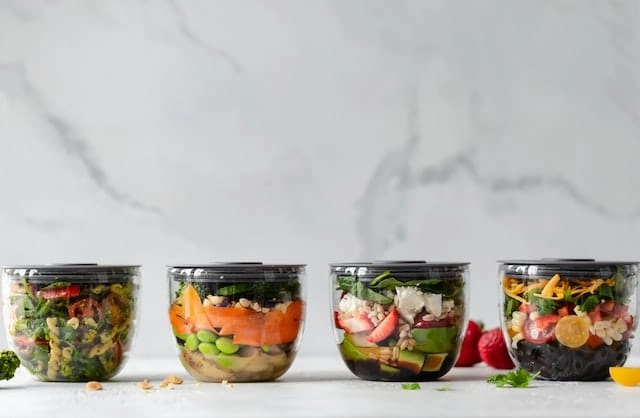
Switching from traditional plastic wrap to eco-friendly options is a smart move. Plastic wrap contributes significantly to plastic waste and poses health concerns, especially when heated. Choosing sustainable wraps not only helps the environment but also reduces your exposure to potentially harmful chemicals.
Some great alternatives include:
- Beeswax wraps like those from Ecoartfullife. These wraps are non-toxic, reusable, and breathable, keeping your food fresh without plastic.
- Silicone lids that fit over bowls and containers. They’re safe for microwave and freezer use and cut down on single-use plastics.
- Parchment paper or glass containers are excellent for heating and storing food safely without any chemical risks.
Ecoartfullife’s products stand out because they combine convenience with sustainability. Their reusable wraps are easy to clean, planet-friendly, and free from toxic chemicals often found in plastic wraps. If you’re looking to make safer, greener choices in your kitchen, explore Ecoartfullife’s eco-friendly wraps—they’re a reliable step toward a healthier lifestyle and a cleaner planet.
Practical Tips for Safe Food Storage and Heating
When it comes to keeping your food safe, here are some easy tips to follow:
- Use microwave-safe glass or ceramic containers instead of plastic wrap whenever possible. These materials don’t release chemicals when heated.
- Avoid wrapping hot foods directly in plastic wrap. Let your food cool down a bit before covering it to reduce any risk of chemical migration.
- Check for microwave-safe labels on any plastic wrap or containers. Always follow the manufacturer’s instructions for safe use.
- Store food in reusable containers or wraps like silicone lids or beeswax wraps. This reduces plastic waste and keeps things eco-friendly.
- Don’t wrap fatty or oily foods tightly in plastic wrap when heating, as fats can cause more chemicals like DEHA to leach.
These simple steps help lower any health risks linked to heating plastic wrap and make your food storage safer and more sustainable in your everyday kitchen.