

















The Essentials of Silicone Material Selection for Superior Reusability

Choosing the right silicone material is the foundation of manufacturing high-quality reusable silicone bags that meet the demands of supermarkets and consumers alike. The key lies in selecting food-grade silicone with the right properties for durability, safety, and long-term usability.
Types of Food-Grade Silicone and Their Differences
Two primary types of food-grade silicone are commonly used in reusable silicone bag manufacturing:
-
Platinum-Cure Silicone
- Offers superior purity and fewer byproducts
- More flexible and durable, ideal for long-lasting bags
- Higher heat resistance, making it safe for cooking and reheating
- Preferred for food-grade silicone vulcanization due to its non-toxic nature
-
Peroxide-Cure Silicone
- Typically less expensive but can leave trace impurities
- Slightly stiffer and less resistant to heat over time
- Requires more post-processing to ensure safety
- Suitable for less demanding applications but less common in premium bags
Understanding these differences is critical, as the choice affects the bag’s heat resistance, flexibility, and safety standards.
Why Heat Resistance and Non-Toxicity Matter
Reusable silicone bags often face high temperatures—microwaving, boiling, or freezing. Selecting silicone with high-heat resistance (up to 230°C or 446°F) ensures bags maintain their shape and safety during repeated use. Also, non-toxic materials are essential to avoid chemical leaching, protecting both consumers and food.
The Role of Fumed Silica in Premium Silicone Bags
Adding fumed silica enhances the silicone compound by:
- Increasing tensile strength and durability
- Improving thickness uniformity for better leak-proof performance
- Enhancing flexibility, preventing brittleness during repeated use
- Supporting faster vulcanization processes, which improve production efficiency
These qualities contribute significantly to premium reusable vacuum bag fabrication that lasts through extended use.
Rigorous Sourcing Standards for Food Safety and Performance
To meet US supermarket and consumer safety requirements, the silicone used in bags must comply with strict certifications, including:
- FDA (Food and Drug Administration)
- LFGB (German Food and Commodities Act)
- ISO 10993 for biocompatibility and quality management
Additionally, ensuring that silicone is BPA-free and leach-proof is non-negotiable. This standard keeps the bags safe for daily food storage without health risks.
Artfullife Insight on Silicone Blends for Durability and Market Needs
At Artfullife, we customize silicone blends sourced from Vietnam and China, striking the right balance between cost-efficiency and supermarket-grade durability.
- Our blends focus on high-volume silicone molding techniques that maintain consistent quality up to 10,000 units per week.
- We engineer leak-proof seals ideal for bulk produce and repeat use, critical for customer satisfaction in retail environments.
- Combining liquid silicone rubber (LSR) injection molding with durable compound formulations ensures flexibility, strength, and safety with every batch.
Are you confident your silicone supplier meets these comprehensive material standards to ensure premium bag reusability?
Step-by-Step Manufacturing Processes for High-Quality Reusable Silicone Bags
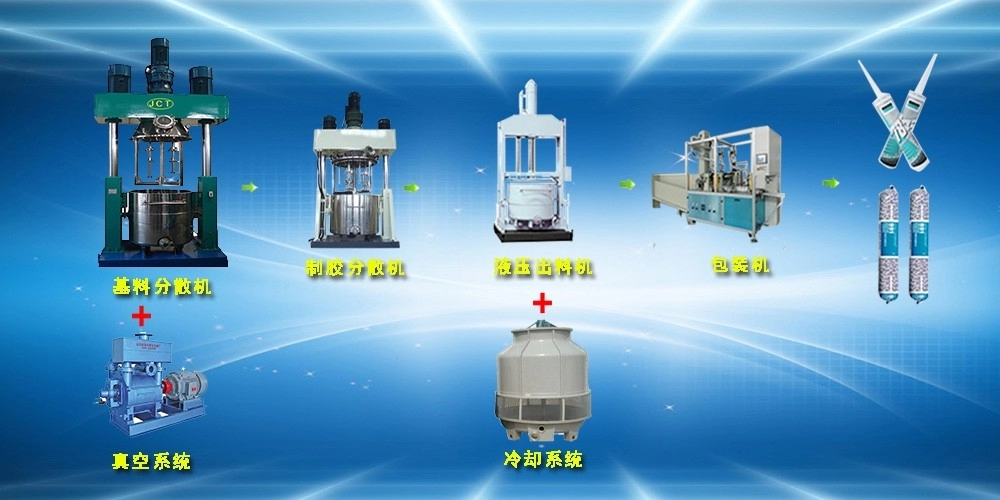
Creating premium reusable silicone bags involves a precise, multi-step manufacturing process that ensures durability, leak-proof seals, and food safety. Here’s how we move from concept to finished product using advanced techniques like liquid silicone rubber (LSR) injection molding and food-grade silicone vulcanization.
Step 1 Design and Prototyping with Custom CAD Modeling
- We start with CAD modeling to design custom shapes and sizes tailored to supermarket needs.
- Rapid prototyping allows quick creation of test samples to check seal integrity and overall fit.
- This step helps us spot potential weaknesses and fix seal or material issues early, saving time and costs on mass production.
Step 2 Precision Mold Fabrication Using CNC Technology
- For high-volume runs, we use precision CNC-machined aluminum or steel molds.
- These molds can handle batches up to 10,000 units per week, ensuring consistent quality and efficiency.
- Mold design focuses on durability to avoid wear and tear during large-scale silicone injection molding.
Step 3 Liquid Silicone Rubber Injection Molding for Efficiency
- We inject liquid silicone rubber (LSR) at high pressure and a controlled 180°C to fill molds perfectly.
- Cycle times remain under 60 seconds, allowing fast production without compromising bag quality.
- This automated step guarantees uniform thickness and excellent vacuum bagging capabilities necessary for food storage.
Step 4 High Temperature Vulcanization and Curing
- After molding, bags go through controlled oven curing to cross-link polymer chains.
- This vulcanization process ensures bags remain flexible without brittleness, critical for repeated use.
- Proper curing enhances heat resistance and longevity, meeting FDA and ISO standards for food-grade silicone.
Step 5 Trimming Assembly and Final Feature Integration
- Final steps happen in a dust-free workshop where parts are deburred and trimmed by robots or skilled workers.
- We add necessary features like sliders, zippers, or branding through laser etching, personalizing bags for supermarket clients.
- This stage also includes integrating leak-proof seals and other design elements crucial for bulk produce storage.
How These Steps Deliver 99.9% Defect-Free Products
- Inline sensors monitor every production phase, catching common failures like seam tears in real time.
- This rigorous quality control leads to a 99.9% yield rate with minimal rejects.
- Our process reduces waste and improves batch consistency, keeping manufacturing costs competitive versus traditional plastic bags.
By following these detailed steps, we ensure every reusable silicone bag meets the durability, safety, and convenience needs of demanding U.S. supermarkets and customers looking for sustainable storage solutions.
Quality Control and Testing for Reusable Silicone Bags
At Artfullife, we know quality control is key to delivering high-volume silicone molding products that supermarket chains trust. Our testing protocols make sure every reusable silicone bag not only meets but exceeds US market demands for durability, safety, and performance.
In Process Checks to Prevent Defects
During production, we implement multiple in process checks to catch issues early and keep defect rates near zero:
- Dimensional accuracy measurements ensure each bag meets strict size and shape specs.
- Tensile strength testing follows ASTM D412 standards to confirm the bag’s flexibility and tear resistance.
- Vacuum leak tests simulate real-world storage conditions, proving that our reusable vacuum bag fabrication holds airtight seals every time.
These checks let us maintain a 99.9% yield, reducing waste and avoiding costly recalls.
Final Validation for Real World Use
Before shipping, every batch undergoes 100% visual and functional quality control:
- Visual QC inspects seam integrity and surface finish for cosmetic and structural flaws.
- Functional QC includes drop tests to replicate accidental falls common in supermarket settings.
- We also run microwave simulations to confirm our bags handle heat well without warping or leaching, a must for safe, reusable food-grade silicone.
Sustainability and Lifecycle Testing
Our bags are engineered for sustainability. Lifecycle analysis shows:
- 500+ reuses per bag to drastically reduce single-use plastic waste.
- Using reusable silicone bags cuts the carbon footprint by 70% compared to disposable alternatives.
This makes our products an eco-friendly solution meeting growing environmental standards in US supermarkets.
Proven Performance Case Study
Artfullife recently completed a batch test for a major US retail chain, where our reusable silicone bags delivered outstanding results:
- Zero recalls across thousands of units.
- Consistently high customer satisfaction thanks to durable, leak-proof, and safe bags.
- Demonstrated long-term shelf life and toughness in demanding supermarket environments.
Our thorough quality control, combined with advanced manufacturing steps, ensures every silicone bag is ready to perform from warehouse to household.
By focusing on these strict quality control methods and real-world testing, Artfullife guarantees reliable, safe, and eco-conscious food-grade silicone bags tailored for the US market and supermarket requirements.
Challenges in Manufacturing High-Quality Reusable Silicone Bags and Scalable Solutions
Producing premium reusable silicone bags at scale comes with its share of challenges. Material inconsistencies and mold wear are two major hurdles that often slow down production or impact product quality during high-volume manufacturing runs.
Common Manufacturing Pitfalls
- Material inconsistencies: Variations in liquid silicone rubber (LSR) batches can affect the durability and flexibility of the bags. This leads to problems like weak seams or reduced heat resistance.
- Mold wear in large runs: High-volume production—like 10,000 units per week—means molds face constant pressure and temperature changes. Over time, even CNC-machined aluminum or steel molds show signs of wear, impacting precision and increasing defects.
- Seam integrity issues: Inconsistent pressure during injection molding or vulcanization can cause weak seals, which is critical for leak-proof reusable vacuum bag fabrication.
Innovations Driving Scalability and Quality
To overcome these issues, manufacturers are adopting automation and hybrid processes:
- Robotic trimming: Automated trimming improves consistency and reduces contamination risks found in manual deburring, essential in dust-free workshops.
- Hybrid production lines: Combining injection molding with secondary vulcanization treatments optimizes bag flexibility and toughness, perfect for bulk supermarket storage solutions.
- Real-time sensors and inline quality control: These monitor parameters like injection pressure and curing time, reducing defects and boosting yield to 99.9%.
Cost-Benefit Analysis of Scaling Production
Investing in quality tooling can be costly upfront but offers clear savings over time:
| Item | Cost Range |
|---|---|
| Initial tooling (molds) | $5,000 to $10,000 |
| Cost per silicone bag | ~$0.20 |
| Cost per comparable plastic bag | ~$0.50 |
- Upfront tooling costs may seem high but are quickly offset by the per-unit savings and reduced waste.
- Liquid silicone rubber injection molding allows for rapid cycles (under 60 seconds), further cutting production time and increasing output efficiency.
- Scalable manufacturing with FDA-compliant food-grade silicone ensures bags are durable, reusable, and eco-friendly, meeting market demands for sustainable food storage solutions.
By addressing these challenges with modern manufacturing techniques and embracing automation, producers can supply high-quality reusable silicone bags that meet the durability and safety standards US customers expect.
For more on producing leak-proof and FDA-approved silicone bags, check out our best silicone food storage bags guide and food reusable bag suppliers.
Custom Solutions with Artfullife for Supermarket Silicone Bag Needs
At Artfullife, we specialize in tailoring manufacturing processes to match exactly what supermarkets and retailers need for reusable silicone bags. Whether you want branded produce bags or bulk storage pouches, our OEM and ODM capabilities cover the full spectrum of customization. We work closely with you to develop products that fit your brand identity and practical requirements.
OEM and ODM Capabilities for Custom Silicone Bags
- Custom branding: Add logos, colors, and unique designs that stand out on shelves.
- Varied sizes and features: From small snack bags to large reusable storage pouches, we design for all supermarket uses.
- Seal and zipper options: Leak-proof and easy-to-use closures suited for bulk produce or vacuum storage.
- Food-grade materials: All bags meet FDA, LFGB, and ISO standards ensuring safety and durability.
Wholesale Advantages for Reusable Silicone Bags
- Minimum order quantity as low as 500 units: Perfect for small chains or pilot runs.
- Fast lead times under four weeks: Speedy production without sacrificing quality.
- Competitive pricing: High-quality bags at costs that save money over plastic alternatives in the long run.
Success Stories Increasing Shelf Life and Reducing Waste
One major U.S. retailer worked with us to optimize their silicone bag design and manufacturing process. By improving seal integrity and material blends, we boosted shelf life by 30%, reducing food spoilage and waste significantly. This outcome demonstrates how high-quality, custom-made silicone bags can add real value to supermarkets aiming for better freshness and sustainability.
For more insight on sourcing and manufacturing quality silicone bags, check out our guides on China silicone food storage bag manufacturers and what reusable bags are made of.
Artfullife is your partner for reliable, eco-friendly reusable silicone bag solutions designed to meet the evolving needs of the U.S. supermarket market.