









Unveiling the Tin Foil Hat: A Deep Dive into Its History and Cultural Craze
Ever wondered about the quirky allure of the tin foil hat? This iconic headpiece is more than just a shiny DIY project—it’s a symbol steeped in conspiracy theory culture, paranoia, and pop culture flair. Whether you’re curious about its origins, eager to craft your own, or just here for the laughs, we’ve got you covered with everything you need to know about tin foil hats. At Artfullife, your go-to supermarket supplier for creative materials, we’re diving into the wild world of this headwear phenomenon. Ready to explore the history, symbolism, and even a DIY guide? Let’s get started!
What is a Tin Foil Hat Definition and Common Materials
A tin foil hat is a piece of headwear typically made by molding thin sheets of metal foil, most commonly aluminum foil, into a hat shape. Its main idea is to act as a shield against electromagnetic fields, mind control signals, or other unseen forces—claims popular in conspiracy theory communities. While it’s mostly symbolic, the concept has become closely linked with paranoia and protective headwear.
The Difference Between Tin Foil and Aluminum Foil
The term “tin foil” is often used interchangeably with aluminum foil, but there’s a subtle difference:
- Tin foil was originally made from thin sheets of tin metal and was used around the early 20th century.
- Modern aluminum foil replaced tin foil in most household and craft uses because it’s cheaper, more flexible, and doesn’t impart a metallic taste to food.
When people say “tin foil hat” today, they’re almost always referring to hats made from aluminum foil due to availability.
Common Misconceptions About Tin Foil Hats
- Some believe tin foil hats can block all forms of radiation or mind control. Scientific experts have debunked these claims, explaining that the protection offered is either minimal or ineffective.
- Others assume wearing one signals extreme paranoia or conspiracy beliefs, but many use tin foil hats as jokes, satire, or DIY costume pieces.
- Another myth is that the more layers of foil you use, the better the protection. In reality, foil thickness rarely changes any shielding effect notably.
In essence, a tin foil hat is a simple head covering made from aluminum foil, rooted mostly in folklore and cultural symbolism rather than science.
History and Origin of Tin Foil Hats

The idea of the tin foil hat dates back several decades, rooted deeply in popular culture and media. Early mentions appeared in science fiction stories where characters wore foil headgear to block mind control or alien signals. This concept quickly caught the public’s imagination as a symbol of protection against unseen forces.
Cold War Paranoia and the Rise of Tin Foil Hats
During the Cold War era, the fear of government surveillance and radiation experiments was widespread. People became anxious about electromagnetic waves, microwave radiation, and secretive mind control attempts. This paranoia gave birth to the image of the tin foil hat as a safeguard — a physical barrier against invasive technology and conspiracies.
The tin foil hat turned into a cultural icon representing the distrust many had toward authorities and scientific advancements.
Evolution Over the Decades
Over time, the tin foil hat evolved beyond its practical origins. By the late 20th century, it became a symbol of conspiracy theory communities, often used humorously or satirically to showcase paranoia.
- In media, books, and films, tin foil hats often symbolize a fear of control or surveillance.
- In internet culture, the tin foil hat meme spread rapidly, making the concept accessible beyond conspiracy circles.
- Modern use has extended into art and social commentary, reflecting ongoing concerns about privacy and technology.
In , the tin foil hat’s history is tied to real fears and cultural expressions, evolving from Cold War anxieties to a broader symbol of skepticism and humor in American society.
Symbolism Behind the Tin Foil Hat and Its Role in Paranoia and Media
The tin foil hat has become a well-known symbol tied closely to paranoia and conspiracy theories. When someone is pictured wearing one, it instantly suggests a fear of outside control—whether from government surveillance, mind control, or other imagined threats. This headwear is viewed as a kind of protective shield against invisible forces, reflecting deep concerns about privacy and autonomy.
Paranoia and Conspiracy Theory Headwear
Wearing a tin foil hat is often linked to preventing electromagnetic waves or signals from “penetrating” the wearer’s mind. This idea, while widely debunked scientifically, persists because it taps into a strong fear of being monitored or manipulated without consent. In that sense, the hat symbolizes mistrust in institutions and a yearning for personal protection in a complex, often opaque world.
Use of Tin Foil Hats as Satire and Humor
In media and popular culture, the tin foil hat is frequently used as a device for satire and humor. It mocks excessive fear or over-the-top conspiracy thinking by exaggerating the idea of protection against imagined threats. You’ll see this imagery in movies, TV shows, and meme culture where it gently pokes fun at someone being “too paranoid.” It’s become shorthand for doubting mainstream explanations or government narratives.
Psychological and Sociological Perspectives
From a psychological viewpoint, the tin foil hat represents how some individuals cope with anxiety about unseen dangers through symbolic protection. It also signals social alienation—the wearer may feel disconnected from the majority who trust official accounts.
Sociologically, the hat can be seen as a form of identity marker within certain community groups, especially among conspiracy theory circles. It communicates membership or belief, sometimes even rebellion against perceived societal norms.
of Symbolism
- Represents fear and mistrust toward larger systems
- Acts as a humorous symbol of paranoia in media
- Reflects psychological coping mechanisms for anxiety
- Serves as a social and cultural identifier
Understanding this symbolism helps explain why the tin foil hat sticks around, beyond just a quirky DIY item. It’s a powerful image rooted in real human emotions and societal dynamics.
Tin Foil Hats in Popular Culture and Media
Tin foil hats have become a popular symbol in movies, TV shows, and literature, often representing paranoia, conspiracy theories, or just plain eccentric behavior. This piece of headwear has evolved beyond its original meaning to become a cultural icon, appearing in everything from TV sitcoms to sci-fi thrillers.
Movies TV and Literature Examples
You’ll often see tin foil hats used to characterize someone distrustful of government or technology. For instance:
- In movies like Signs and Men in Black, characters who sport these hats are usually protecting themselves from alien signals or mind control.
- TV shows like The X-Files and Futurama use tin foil hats as a comedic device to poke fun at conspiracy theory headwear and paranoid thinking.
- In literature, the tin foil hat appears as a metaphor for skepticism toward mainstream ideas or to signal a character’s outsider status.
Memes and Internet Culture
The tin foil hat meme exploded on the internet as a simple way to poke fun at people who believe in outlandish conspiracy theories. These memes frequently show people wearing shiny foil headgear, sometimes paired with over-the-top claims about mind control or secret government plots. Over time, the hats have become shorthand for “someone who is overly protective or suspicious,” with frequent appearances in GIFs, emojis, and viral posts.
Real-Life Stories and Anecdotes
In real life, tin foil hats have made headlines for quirky reasons:
- Some conspiracy theory communities still use them seriously, believing these hats block electromagnetic waves or mind-reading devices.
- Others wear them as a form of protest or social commentary, using the hat to challenge mainstream narratives or signal distrust of authority.
- There are even artists who turn tin foil hats into creative costumes and performance art, taking the idea beyond simple paranoia to a statement piece.
In sum, the tin foil hat has become much more than just a conspiracy theory headwear. It’s embedded in popular culture as a symbol of skepticism, humor, and social critique—reminding us how a simple piece of aluminum foil can spark ideas that go way beyond the kitchen counter.
How to Make a Tin Foil Hat Step-by-Step Guide
If you’re curious about how to make a tin foil hat—whether for a DIY conspiracy costume, a fun project, or just to join in on the meme culture—here’s a straightforward guide that anyone can follow. Plus, I’ll point you to quality materials from Artfullife, a reliable supplier known for good craft supplies in the US.
Materials Needed for Your Tin Foil Hat
Starting off with the right materials can make all the difference between a flimsy, uncomfortable hat and one that fits well and holds its shape.
- High-quality aluminum foil (not just regular kitchen tin foil)
- Scissors for clean edges
- Measuring tape or ruler
- Optional: A lightweight cloth or cap as a base for comfort
- Masking tape or double-sided tape to secure edges if needed
For the best aluminum foil that works great for tin foil hats, check out Artfullife’s selection. They offer durable, thicker aluminum foil sheets ideal for crafting and protective headwear projects.
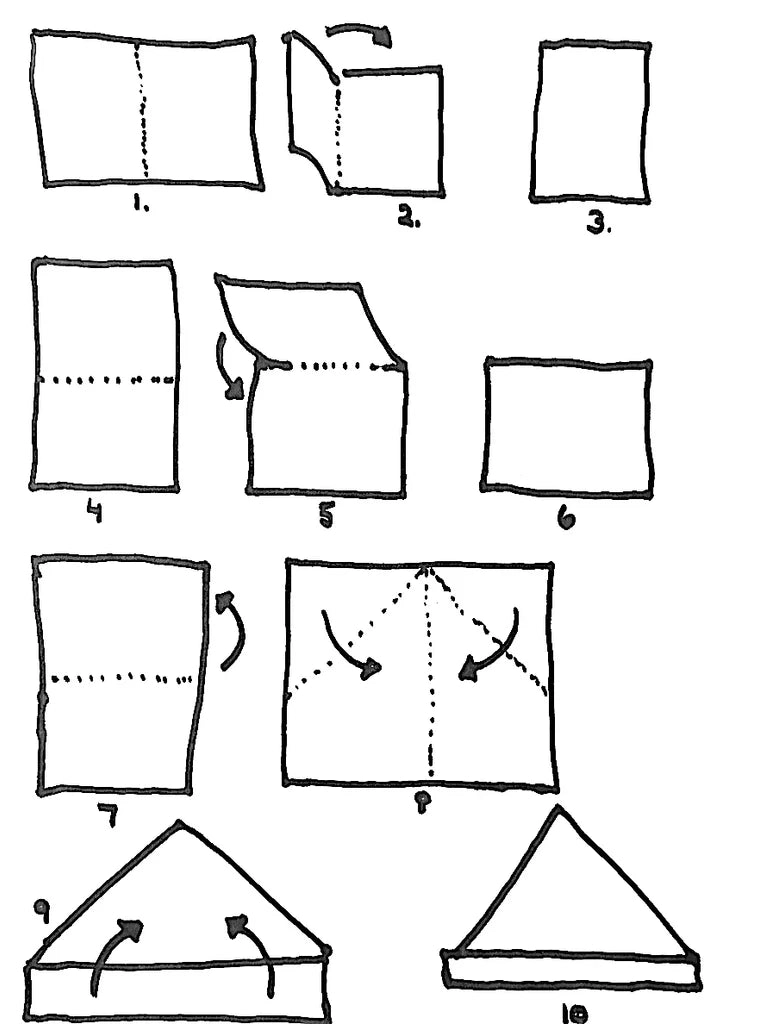
Simple DIY Instructions to Make Your Hat
- Measure your head circumference. Use the tape or ruler to get an accurate measurement around your head where the hat will sit.
- Cut a sheet of aluminum foil. Make it about 2 to 3 inches wider than your head circumference for easy folding and shaping.
- Shape the base layer. Fold and mold the foil around your head or cap base to form a snug but comfortable fit.
- Build up layers. Add 2 to 3 more layers, smoothing out wrinkles and reinforcing the shape. Thick layers help with the “protective” look and feel.
- Create a brim or antenna. You can fold a small edge around the bottom to keep the hat stable. Some people add little foil “antennae” for style or satire.
- Secure edges with tape if needed. This keeps the hat from unfolding or flapping during wear.
Tips for a Comfortable and Effective Tin Foil Hat
- Use a lightweight cloth or beanie under the foil. This avoids direct contact with skin, preventing discomfort or irritation.
- Avoid making the foil layers too thick. It won’t add protection but will make the hat heavier and less comfortable.
- Smooth out wrinkles on the outer surface. It helps maintain the classic tin foil hat look and fits better.
- Keep the hat snug but not too tight. You want it secure but comfortable enough for longer wear.
Making your own conspiracy theory headwear can be a fun activity or conversation starter. With good materials from Artfullife and these simple steps, your DIY tin foil hat will be both practical and stylish.
The Science Behind Tin Foil Hats Do They Work
Tin foil hats have long been associated with blocking mind control, electromagnetic waves, or even alien signals. But do they actually work? Let’s break down the science and separate fact from fiction.
What Conspiracy Claims Say About Tin Foil Hats
Many conspiracy theory communities believe that tin foil hats can protect the wearer from:
- Government mind control or surveillance
- Radiofrequency (RF) radiation or electromagnetic fields (EMF)
- Alien or psychic attacks
These ideas stem from the belief that aluminum foil can shield the brain by reflecting or absorbing harmful signals.
Scientific Studies and Expert Opinions
Here’s what experts say about these claims:
- Aluminum foil is a conductor, which means it can block or reflect certain types of electromagnetic signals. This is why it’s used in some real-world applications like Faraday cages.
- However, scientists emphasize that a simple tin foil hat is unlikely to block all frequencies effectively. In fact, a 2005 study from the Department of Electrical Engineering at Boston University found that certain frequencies could actually be amplified by foil hats rather than blocked.
- No credible scientific evidence supports the idea that tin foil hats can prevent mind control or psychic attacks.
- Experts agree that while aluminum foil can shield against some electromagnetic radiation, the thin, loosely worn hats typical of tin foil headwear offer minimal protection.
Practical Uses and Common Myths Debunked
- Tin foil hats might provide some shielding from very specific radio waves or static electromagnetic interference, but this is limited and unpredictable.
- The hats do not protect against things like Wi-Fi, cell phone signals, or brainwave interference.
- Wearing a tin foil hat doesn’t pose any health risks, but it also doesn’t guarantee safety from any kind of signal or influence.
- The idea of tin foil hats blocking “mind control” is more symbolic and satirical than based on proven science.
What Does This Mean for You
- If you’re curious about how to make a tin foil hat for fun or a conspiracy costume, great—but don’t expect it to serve as real protection.
- For practical protection from radiation or EMF, more advanced and tested solutions exist, such as specialized shielding materials and products designed by experts.
- When you hear “tin foil hat” used in conversation or media, remember it’s mostly a symbol of skepticism, paranoia, or humor rather than scientific fact.
In , while tin foil has properties that can block certain signals, a homemade tin foil hat is unlikely to provide effective defense against the vast range of electromagnetic or psychic “attacks” conspiracy theories warn about. It remains mostly a cultural icon with more symbolic than practical value.
Modern Usage of Tin Foil Hats and Community

Tin Foil Hats in Contemporary Conspiracy Theory Circles
Tin foil hats remain a common symbol among modern conspiracy theory communities in the U.S. While often seen as a joke or meme, many still use them seriously to express distrust of government surveillance, electromagnetic mind control, or radiation exposure. These hats are part of a broader category of conspiracy theory headwear, serving both as a protective symbol and a statement of identity within groups wary of privacy invasions or secret tech.
Creative and Artistic Uses Beyond Conspiracy
Beyond those who wear tin foil hats out of concern or belief, artists and creators have embraced the concept in fresh, unexpected ways. From DIY conspiracy costumes to avant-garde fashion shows, tin foil hats are often repurposed as a medium for social commentary—highlighting issues like mass surveillance, misinformation, and personal freedom.
- Artists use tin foil to explore themes of paranoia and control.
- Creative makers turn ordinary aluminum foil into eye-catching, humorous, or thought-provoking headwear.
- This shift shows tin foil hats evolving from a niche conspiracy symbol to popular culture art.
Social Commentary and Discussions Around Tin Foil Hats
The tin foil hat now acts as a cultural reference point in conversations about paranoia, skepticism, and trust in institutions. It opens up discussions about:
- How fear shapes public behavior in times of uncertainty.
- The role of satire and humor in addressing serious topics.
- The psychological needs behind believing in protective headwear.
In forums and social media, people debate the effectiveness and symbolism of tin foil hats, often blending real concerns with tongue-in-cheek skepticism. This mixed use keeps tin foil hats relevant, proving they are more than just quirky gear—they’re a mirror of modern social anxieties.
In , tin foil hats serve multiple purposes today:
- Identity markers in conspiracy circles.
- Artistic statements in creative communities.
- Symbols for discussion about trust, paranoia, and society.
Whether for protection, humor, or commentary, the tin foil hat continues to be a versatile and widely recognized piece of cultural headwear.
FAQs About Tin Foil Hats and Their Effectiveness
Are Tin Foil Hats Effective
Tin foil hats are mostly symbolic and not scientifically proven to block mind control or shield from radiation. The idea comes from conspiracy theory headwear concepts, but no credible studies show that aluminum foil or similar materials can protect the brain from electromagnetic waves or telepathic interference. They’re more of a cultural icon for paranoia than a functional tool.
What Materials Are Best for Making Tin Foil Hats
The best material for a tin foil hat is high-quality aluminum foil—thicker varieties work better for durability but still stay lightweight. Some DIYers prefer heavy-duty kitchen foil because it’s less likely to tear. Avoid using actual “tin” foil, as it’s less common and can be brittle. For crafting, look for brands noted for quality and flexibility to make comfortable, effective hats.
Is It Safe to Wear Tin Foil Hats
Yes, wearing a tin foil hat is generally safe for short periods. Aluminum foil is non-toxic and won’t cause harm unless wrapped too tightly, which could restrict blood flow or cause discomfort. However, wearing it for long hours might cause overheating or skin irritation, so it’s best used in moderation, especially at events or for costumes.
Can Tin Foil Hats Block Mind Control or Radiation
Despite popular belief, tin foil hats do not block mind control or radiation. The idea is mostly a myth spread by movies, satire, and internet memes. Radiation requires specific shielding materials and thickness to reduce exposure, and tinfoil hats don’t meet those standards. Experts agree any protective effect against electromagnetic radiation is minimal to nonexistent.
Where Can I Buy Quality Foil for Crafting Tin Foil Hats
For quality aluminum foil suited for making tin foil hats, check out:
- ArtfulLife and other craft supply stores specializing in durable, flexible foil rolls
- Major retailers like Walmart, Target, or Amazon offer heavy-duty kitchen foil labeled for crafting
- Specialty online shops with bulk or thicker aluminum foil options ideal for DIY conspiracy costumes
Always look for foil that balances thickness, flexibility, and ease of shaping to get the best results.