

















What Are Reusable Bags Made Of? Your Guide to Sustainable Choices
Struggling to pick the perfect reusable bags for your grocery runs or supermarket branding? The materials they’re made from can make all the difference in durability, eco-friendliness, and style. At Artfullife, we’ve helped countless shoppers and businesses choose sustainable bags that fit their needs, from cotton totes to recycled PET shoppers. In this guide, you’ll discover the top reusable bag materials, their pros and cons, and how to choose the best one for you. Let’s dive in and explore the world of eco-friendly shopping bags!
Why Reusable Bag Materials Matter
When choosing reusable grocery bags, the material they’re made of plays a huge role in their overall impact. You might wonder, why does it matter what a bag is made from? The answer lies in both environmental and practical factors that affect your everyday life and the planet.
Environmental Impact
Not all reusable bags are created equal. Some materials break down quickly and are biodegradable, while others last longer but may contribute to microplastic pollution if not disposed of properly. The type of material affects:
- Carbon footprint during production
- Recyclability and end-of-life disposal
- Durability, which influences how many times you can reuse the bag
Choosing the right material means you’re helping reduce waste and lowering your environmental footprint.
Practical Considerations
The material also impacts how well the bag performs for your needs:
- Weight and flexibility for easy carrying
- Strength to hold heavy groceries without tearing
- Water resistance or breathability depending on what you carry
- Ease of cleaning and maintenance
A bag that fits your lifestyle encourages regular use, which is the whole point of switching away from single-use plastic.
Local Relevance
Where you live can influence the best reusable bag material for you. Climate, local recycling programs, and shopping habits all matter. For example:
- In humid areas, breathable natural fibers like cotton or hemp can prevent mold.
- If local recycling supports certain plastics, recycled PET bags might be a smart choice.
- Urban shoppers may prefer lightweight, foldable bags for convenience.
Understanding these factors helps you pick a reusable bag that’s practical, eco-friendly, and suited to your daily routine.
At Artfullife, we focus on offering a variety of reusable bag materials that balance sustainability with real-world use. Whether you’re a consumer or a business, choosing the right material is the first step toward greener shopping habits. Explore our options to find the perfect fit for you.
Common Materials Used in Reusable Bags Natural Fibers
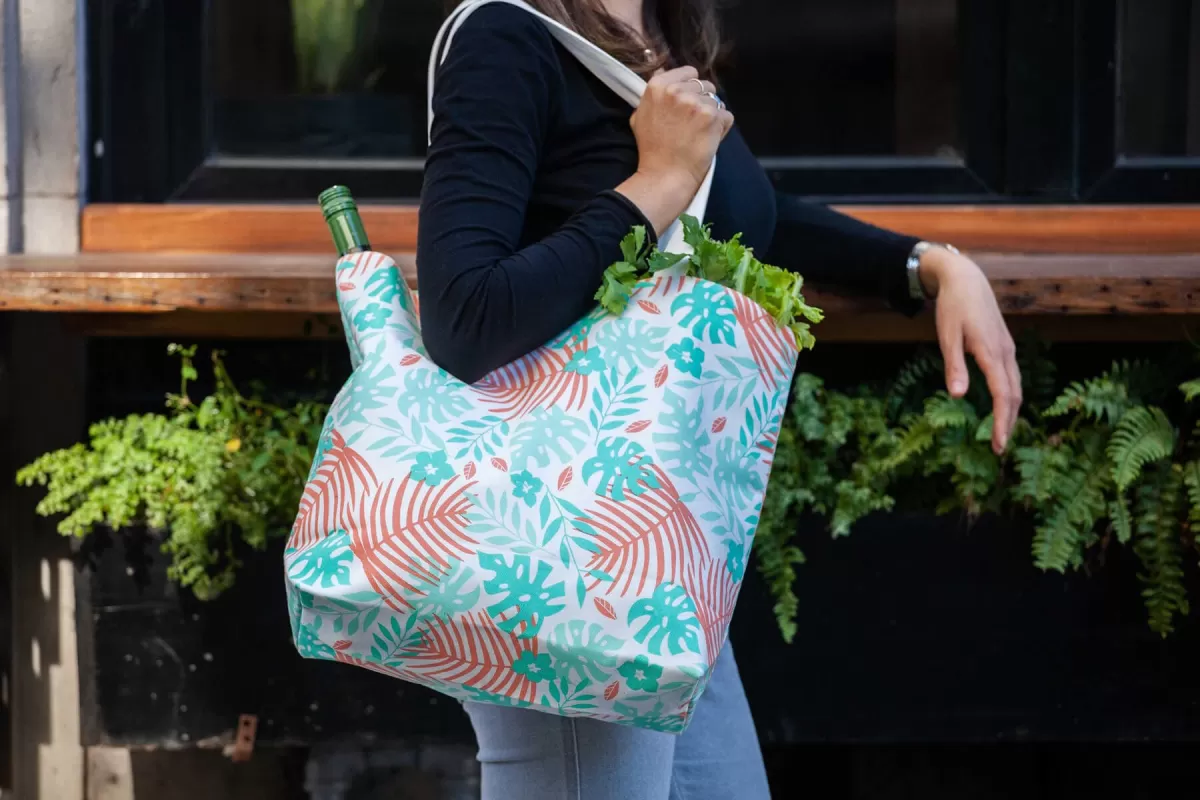
When it comes to reusable grocery bags made from natural fibers, you’ll find some popular options that are both eco-friendly and sturdy. Here’s a quick look at the most common natural materials used in reusable bags:
Cotton
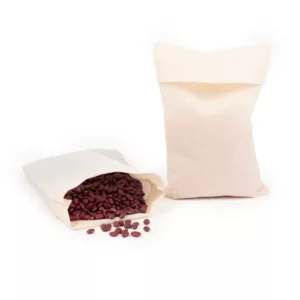
Cotton bags are a favorite for many shoppers. They come in organic, regular, and recycled varieties. Organic cotton is grown without harmful pesticides, making it a greener choice. Recycled cotton bags use leftover fabric scraps, reducing waste. Cotton bags are soft, durable, and easy to wash, but they can be heavier and take longer to dry.
Jute
Jute is a strong, natural fiber known for its rough texture and durability. Jute bags are great for carrying heavy groceries and have a rustic look that many people like. They’re biodegradable and compostable, which makes them a sustainable choice. However, jute bags can be a bit stiff and may not be as easy to fold up as cotton bags.
Hemp
Hemp is gaining attention as a sustainable fiber because it grows quickly with little water and no pesticides. Hemp bags are tough, lightweight, and naturally resistant to mold and UV rays. They’re a solid eco-friendly option for reusable shopping bags, combining durability with a natural feel.
Bamboo
Bamboo fibers are used less often but are becoming popular for their softness and eco-friendly profile. Bamboo grows fast and doesn’t require much water or chemicals. Bamboo reusable bags are lightweight and biodegradable, making them a good choice for people looking for something gentle on the environment and easy to carry.
Each of these natural fiber bags offers a different balance of strength, feel, and sustainability, making them excellent options for everyday use in the U.S. Whether you want something soft and washable like cotton or tough and rustic like jute, natural fibers have you covered.
Common Materials Used in Reusable Bags Synthetic Materials
When it comes to reusable grocery bags, synthetic materials are popular because they’re strong, lightweight, and often affordable. Here are the main types you’ll see:
Non-Woven Polypropylene (NWPP)
This is one of the most common eco-friendly bag materials. NWPP bags feel like fabric but are made from plastic fibers pressed together without weaving. They’re durable, water-resistant, and great for everyday shopping. Plus, they’re recyclable in many places, making them a practical choice.
Woven Polypropylene
Woven polypropylene bags are made by weaving plastic threads tightly together. This makes them extra tough and reusable for a long time. They handle heavier loads well, so they’re perfect for groceries or bulk shopping. They also dry quickly and resist tearing.
Recycled PET (rPET)
rPET bags come from recycled plastic bottles, turning waste into useful bags. These bags help reduce plastic pollution and are often soft and flexible. Using rPET supports recycling efforts and offers a sustainable option for reusable shopping bags.
Nylon
Nylon reusable bags are lightweight and foldable, making them easy to carry around. They’re strong and water-resistant but not always biodegradable. Nylon bags are great for quick trips or as backup bags you can stash in your purse or car.
Polyester
Polyester bags are durable and often made with recycled fibers. They come in many styles and colors, making them popular for custom reusable bags. Polyester is easy to clean and holds up well over time, balancing functionality with eco-friendly benefits.
Each of these synthetic materials offers a mix of durability, cost-effectiveness, and environmental benefits, making them solid choices for reusable bags in the U.S. market.
Common Materials Used in Reusable Bags Emerging Materials Polylactic Acid PLA Polyhydroxyalkanoates PHA
As reusable bags become more popular, newer, eco-friendly materials are gaining attention. Two of the most promising emerging materials are Polylactic Acid (PLA) and Polyhydroxyalkanoates (PHA). These materials are designed to be biodegradable and come from renewable resources, making them great options for sustainable shopping bags.
Polylactic Acid (PLA)
PLA is made from fermented plant starch, often corn. It breaks down faster than traditional plastics in industrial composting facilities, reducing landfill waste. PLA bags are lightweight and have a smooth feel, making them a practical choice for everyday use. However, they require proper composting conditions to fully break down, which isn’t always available everywhere in the U.S.
Polyhydroxyalkanoates (PHA)
PHA is a natural plastic produced by microorganisms through fermentation. It’s fully biodegradable, even in marine environments, which helps reduce plastic pollution. PHA bags are strong and flexible, offering durability similar to conventional plastic bags but with a much smaller environmental footprint. Because PHA is still relatively new, it’s less common and can be more expensive than other reusable bag materials.
Both PLA and PHA represent the future of eco-friendly bag materials, especially for consumers and businesses in the U.S. looking to reduce plastic waste while maintaining convenience. If you want to explore more about sustainable options, check out our eco-friendly supermarket bags guide for ideas and products that fit local needs.
Comparing Reusable Bag Materials
When choosing reusable grocery bags, it helps to compare materials based on durability, eco-friendliness, cost, and use case. Here’s a quick to make your decision easier:
| Material | Durability | Eco-Friendliness | Cost | Best Use Case |
|---|---|---|---|---|
| Cotton (Organic/Regular) | High | Biodegradable, renewable | Moderate to High | Everyday shopping, heavy loads |
| Jute | High | Biodegradable, natural | Moderate | Bulk shopping, farmers markets |
| Hemp | Very High | Highly sustainable | Moderate to High | Long-term use, rugged shopping |
| Bamboo | Moderate | Renewable, biodegradable | Moderate | Lightweight shopping |
| Non-Woven Polypropylene | Moderate to High | Recyclable but plastic | Low to Moderate | Lightweight, promotional bags |
| Woven Polypropylene | Very High | Recyclable plastic | Moderate | Heavy-duty shopping |
| Recycled PET (rPET) | High | Uses recycled materials | Moderate | Eco-conscious shoppers |
| Nylon | High | Not biodegradable | Moderate to High | Durable, multi-use bags |
| Polyester | High | Not biodegradable | Moderate | Versatile, everyday use |
| Polylactic Acid (PLA) | Moderate | Biodegradable, compostable | Moderate to High | Short-term use, eco-friendly |
| Polyhydroxyalkanoates (PHA) | Moderate | Fully biodegradable | High | Cutting-edge eco bags |
Key Takeaways
- Durability: Woven polypropylene and hemp bags last longest, great for heavy or frequent use.
- Eco-Friendliness: Natural fibers like cotton, jute, and hemp are biodegradable. Bioplastics like PLA and PHA offer compostable options but can be pricier.
- Cost: Synthetic bags like NWPP and polyester are budget-friendly, while natural fiber bags tend to cost more upfront but last longer.
- Use Case: For everyday grocery runs, cotton or recycled PET bags are popular. For bulk or rugged shopping, jute or hemp works best.
Choosing the right reusable bag material depends on your priorities—whether it’s sustainability, durability, or budget. For a great selection of eco-friendly shopping bags made from various materials, check out Artfullife’s store.
How to Choose the Right Reusable Bag Material
For Consumers
When picking a reusable grocery bag, think about how you’ll use it day-to-day. If you want something durable for heavy groceries, woven polypropylene or recycled PET bags are great choices. For those who prefer eco-friendly options, cotton reusable bags or jute shopping bags offer natural fibers that are biodegradable and sturdy. If you’re after something lightweight and easy to carry, non-woven polypropylene bags work well. Also, consider bags that are easy to clean and store—this makes them last longer and keeps your food safe.
For Businesses Supermarkets Retailers
If you run a supermarket or retail store, your reusable bags need to balance cost, durability, and branding potential. Non-woven polypropylene bags are popular because they’re affordable, strong, and print well for custom logos. For a premium, eco-conscious image, offering cotton or hemp reusable bags can appeal to green-minded customers. Businesses should also think about local recycling options and the environmental impact of the bag materials they choose, aligning with sustainability goals and customer expectations.
Artfullife’s Offerings
At Artfullife, we provide a wide range of reusable bags tailored for both consumers and businesses. Our collection includes eco-friendly cotton reusable bags, durable woven polypropylene bags, and innovative recycled PET bags. We also offer custom reusable bags with your logo or design, helping businesses stand out while promoting sustainability. Every bag is selected with care to meet U.S. market needs, combining quality, practicality, and environmental responsibility. Whether you’re shopping for daily use or stocking your store, Artfullife has the right material for you.
Environmental Impact and Sustainability
When choosing reusable bags, understanding their environmental impact is key. Life Cycle Analysis (LCA) helps us see the full picture—from raw materials to disposal. Some bags, like cotton reusable bags, use more water and energy to produce but last longer. Synthetic bags, such as non-woven polypropylene, have a smaller footprint upfront but can create microplastics if not handled right.
Recycling and disposal matter a lot. Bags made from recycled PET (rPET) give new life to plastic bottles, reducing waste. However, not all reusable bags are easy to recycle, so proper disposal is important to avoid landfill buildup.
Microplastics are a growing concern, especially with synthetic bags. Over time, tiny plastic particles can break off and enter the environment. That’s why choosing bags made from biodegradable or natural fibers like hemp or jute can help reduce this risk.
At Artfullife, we’re committed to sustainability. We prioritize eco-friendly bag materials and support recycling programs to minimize environmental harm. Our reusable grocery bags are designed to balance durability, practicality, and eco-consciousness, helping U.S. shoppers make smarter, greener choices every day.
Care and Maintenance Tips for Reusable Bags
Taking good care of your reusable bags helps them last longer and stay safe for your groceries. Here’s what you need to know about washing, storage, and food safety.
Washing
- Cotton, jute, hemp bags: These natural fiber bags can usually be machine washed on a gentle cycle with mild detergent. Air dry to avoid shrinking.
- Non-woven polypropylene (NWPP) and woven polypropylene bags: Wipe clean with a damp cloth or hand wash gently in cold water. Avoid harsh scrubbing or high heat drying.
- Recycled PET (rPET) and synthetic bags: Hand wash with mild soap and air dry. Avoid bleach or fabric softeners that can damage the material.
- Biodegradable and PLA bags: Check the care label since some may break down in water or heat. Generally, spot cleaning is best.
Storage
- Store bags in a dry, cool place to prevent mold or mildew.
- Keep bags folded or rolled to save space and avoid damage.
- For bags used with food, keep them separate from dirty or chemical-laden items.
Food Safety
- Always clean bags after carrying raw meat, seafood, or produce to avoid cross-contamination.
- Use separate bags for different food types when possible.
- Inspect bags regularly for tears, holes, or odors that could harbor bacteria.
Proper care not only extends the life of your reusable grocery bags but also keeps your food safe and fresh. For more tips on sustainable food storage, check out Artfullife’s reusable food storage bags.
Why Choose Artfullife for Reusable Bags
When it comes to reusable bags, Artfullife stands out as a trusted partner for supermarkets and retailers across the United States. We understand the importance of combining quality, sustainability, and customization to meet your business needs.
Overview
Artfullife offers a wide range of eco-friendly bag materials, from cotton reusable bags to recycled PET bags and non-woven polypropylene options. Our products are designed to be durable, practical, and environmentally responsible—perfect for today’s conscious shoppers.
Customization
We know branding matters. That’s why Artfullife provides custom reusable bags tailored to your store’s style and message. Whether you want your logo printed or a specific design to promote sustainability, we make it easy to create bags that connect with your customers.
Sustainability
Sustainability is at the core of everything we do. Our reusable bags are made from carefully selected materials that reduce waste and support recycling efforts. Choosing Artfullife means supporting a cleaner environment and a greener future for your community.
Call to Action
Ready to upgrade your store with high-quality, eco-friendly reusable bags? Explore our offerings and see how Artfullife can help you make a positive impact. Visit our wholesale garbage bags manufacturers page for more details and to get started today.