
















Are you searching for the perfect aluminum foil for food delivery services that keeps your meals fresh, warm, and hygienic? Whether you run a restaurant, catering business, or meal prep service, choosing the right packaging can transform your delivery experience—and your customer satisfaction.
In this post, you’ll discover why aluminum foil remains a top choice for food delivery, how it protects temperature and flavor, and what makes it a sustainable option for eco-conscious businesses. Plus, you’ll get actionable tips on selecting the best types of aluminum foil for food packaging and learn how Ecoartfullife supports food providers with quality, earth-friendly products.
If you want to elevate your delivery game while embracing sustainable packaging, keep reading—we’ve got you covered!
Why Aluminum Foil is Essential for Food Delivery Services
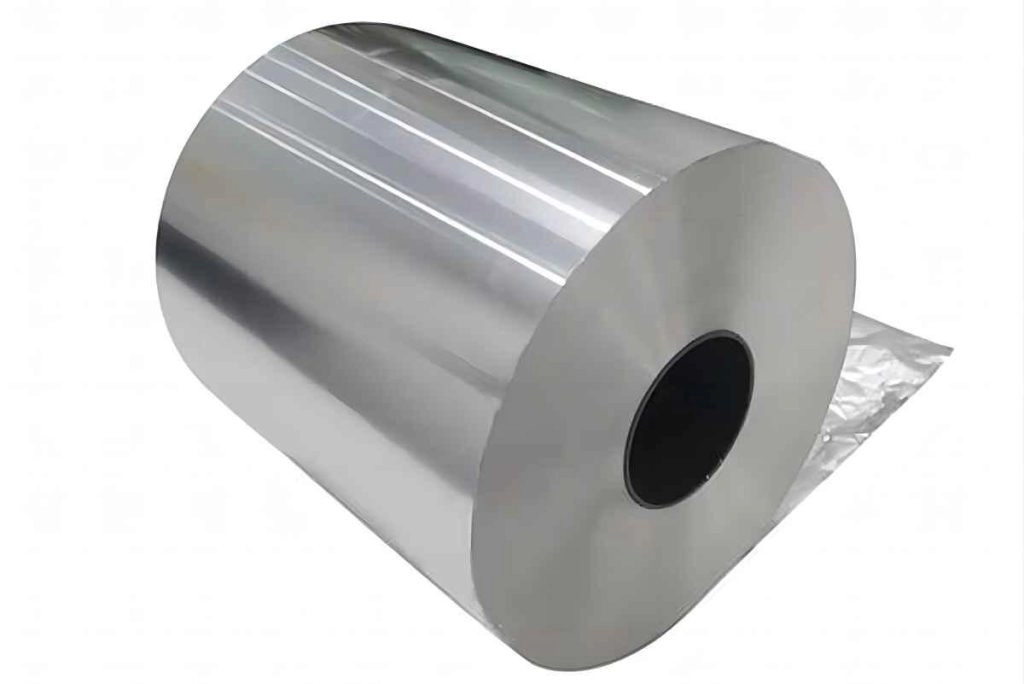
Food delivery services demand packaging that keeps meals fresh, safe, and visually appealing. Aluminum foil for food delivery services stands out as an excellent choice because it meets these needs with versatility and reliability.
Superior Temperature Retention and Insulation
One of the main benefits of using aluminum foil in food delivery is its ability to retain temperature. Whether your dishes are hot or cold, aluminum foil helps maintain the ideal temperature during transit, ensuring customers enjoy meals just as they were intended. Its reflective surface reduces heat loss and minimizes condensation, making it a top choice for thermal insulation food packaging.
Enhanced Food Hygiene and Protection Against Contaminants
Food safety is critical in delivery, and aluminum foil offers a secure barrier against bacteria, dust, and external contaminants. Its airtight wrapping protects food from exposure, reducing the risk of contamination. This is particularly important for preventing spoilage and ensuring compliance with food safety standards.
Flexibility and Ease of Use for Various Food Types
Aluminum foil is incredibly flexible and easy to mold around different food shapes and sizes. This adaptability makes it ideal for wraps, containers, and custom packaging for a wide range of food items—from sandwiches and baked goods to larger catering trays. It supports both delicate and sturdy foods without tearing.
Preservation of Food Texture and Flavor During Transit
Unlike some packaging options, aluminum foil helps preserve the moisture, texture, and flavor of food. By acting as a breathable yet protective layer, it prevents foods from drying out or becoming soggy. This is essential for delivering an enjoyable food experience, especially when dealing with items prone to losing quality over time.
aluminum foil offers unmatched benefits in temperature control, hygiene, versatility, and food quality preservation—making it an indispensable material for food delivery operations.
For further insights on how aluminum foil is manufactured and why it matters for food packaging, check out this detailed guide on how aluminum foil is manufactured.
Types of Aluminum Foil Suitable for Food Delivery Services
Choosing the right aluminum foil plays a big role in maintaining food quality during delivery. Here’s a breakdown of common types used in US food delivery services and their benefits.
Standard Aluminum Foil Rolls vs Pre-Cut Sheets and Containers
- Standard Foil Rolls: These are versatile and come in large quantities, ideal for restaurants or delivery businesses that need custom sizes for wrapping various food items. They allow flexibility and reduce waste since you cut only what you need.
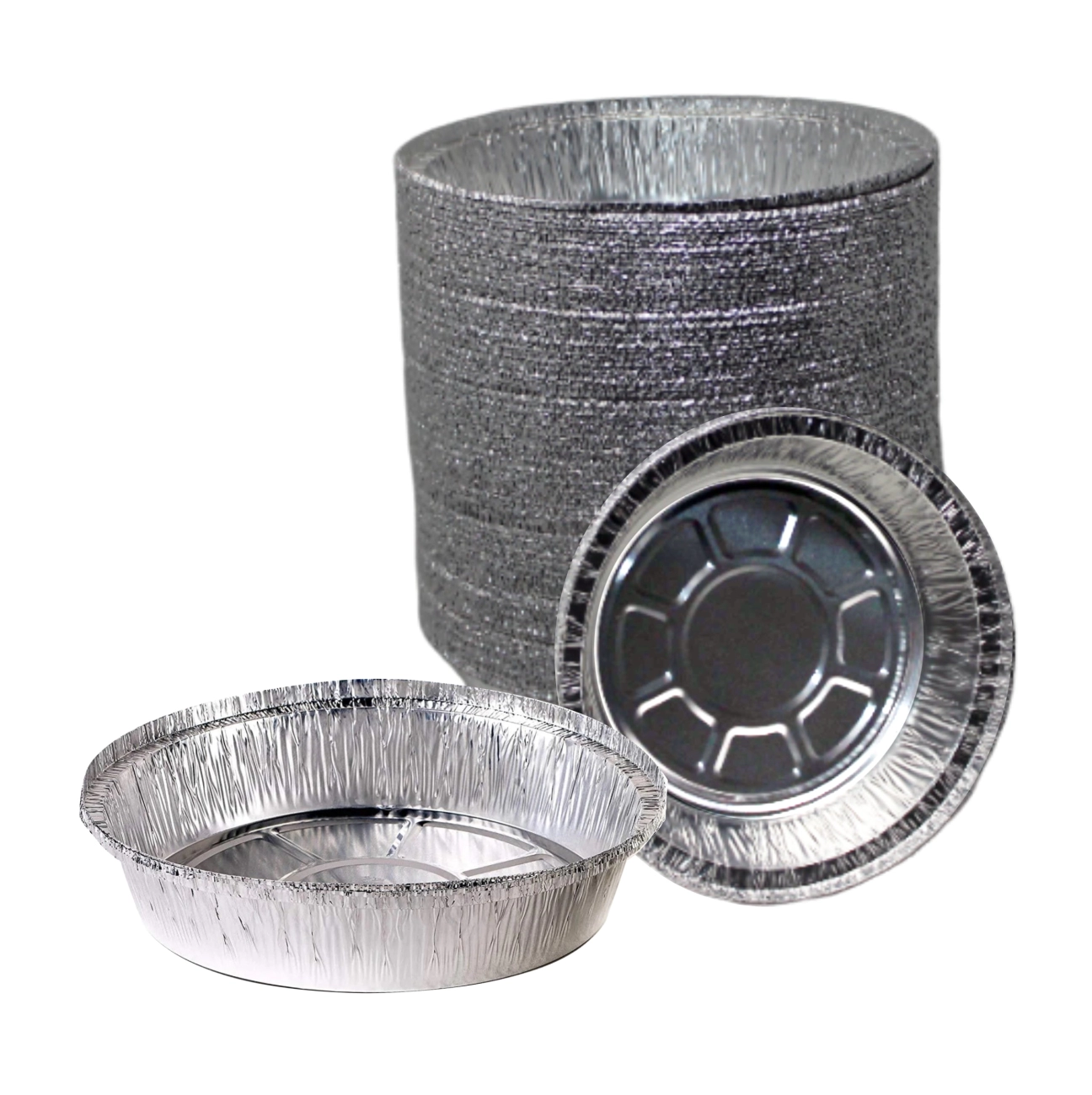
- Pre-Cut Sheets and Containers: These save time by offering ready-to-use sizes and shapes, perfect for quick packaging. Pre-cut containers also add structure, especially for greasy or saucy dishes, minimizing leaks and spills.
Heavy-Duty Aluminum Foil vs Regular Foil Pros and Cons
-
Heavy-Duty Foil
- Pros: Thicker and more durable, making it excellent for hot foods, grilling, and heavy or sharp-edged items. It helps prevent tearing or punctures during transit and improves thermal insulation.
- Cons: Slightly higher cost and less flexible for wrapping very small or delicate items.
-
Regular Aluminum Foil
- Pros: More affordable and flexible, good for light wrapping and short delivery trips.
- Cons: More prone to tearing and may not hold heat as well as heavy-duty foil.
Foil Coatings and Liners for Food Safety and Non-Stick Use
- Aluminum foil used in food delivery often comes with special coatings or liners to improve performance:
- Non-stick coatings prevent food from sticking, which is crucial for messy or delicate items like baked goods or grilled vegetables.
- Food-grade liners help avoid direct contact between foil and highly acidic or salty foods, preserving flavor and maintaining food safety during longer delivery times.
- Some foils have barrier coatings that increase moisture resistance, essential for sauces and wet dishes.
Choosing foils with these added features can enhance hygiene, reduce waste from damaged packaging, and keep food looking fresh and tasty when it arrives at your customer’s door.
knowing when to use standard rolls or pre-cut options, selecting between heavy-duty or regular foil, and choosing appropriate foil coatings can elevate your food delivery packaging game and meet US food safety standards without overspending.
How Aluminum Foil Improves Customer Experience in Food Delivery
When it comes to food delivery, aluminum foil for food delivery services plays a crucial role in creating a positive customer experience. Using the right foil packaging goes beyond just wrapping food—it protects the meal’s look, taste, and quality from the kitchen to the customer’s doorstep.
Maintaining Food Aesthetics and Portion Control
One of the biggest challenges in delivery is keeping food looking fresh and appetizing. Aluminum foil helps maintain food presentation by:
- Keeping items neat and tightly wrapped, which prevents shifting that can ruin the plate or create mess.
- Allowing clear portion control, since foil wraps can be neatly cut or folded to fit individual servings without crushing the food.
- Supporting temperature retention, which helps prevent condensation buildup that can make food soggy and unappealing.
This means when your customer opens their delivery, the food looks almost as good as it did right after it was prepared.
Leak-Proof and Spill-Resistant Packaging Solutions
No one wants to deal with spills or leaks during delivery. Aluminum foil excels here by offering:
- A strong, flexible seal that reduces the risk of leaks, especially when combined with other packaging like cardboard or compostable containers.
- Heavy-duty options that withstand grease and moisture better than many other wraps.
- Serving as an effective barrier between sauces or oily foods and outer packaging, preventing messes and keeping the delivery bag clean.
This leak-proof performance increases customer satisfaction and limits complaints about spoiled or spilled food.
Branding Opportunities and Customization for Delivery Packaging
Beyond function, aluminum foil can be a branding tool for food delivery businesses:
- Foil sheets and containers can be custom printed or embossed with logos and brand colors, reinforcing brand identity.
- Customized packaging differentiates your service in a competitive market and raises perceived value.
- Offering branded foil packaging also improves the overall unboxing experience, making delivery feel special and professional.
By investing in aluminum foil packaging that highlights your brand, you’re also enhancing customer loyalty and repeat business.
Using food-grade aluminum foil for delivery not only protects food but also enhances how customers see and experience your service. With its leak resistance, neat portion control, and branding potential, choosing the right aluminum foil packaging is a smart move for any US-based delivery service looking to stand out.
Eco-Friendly Considerations Aluminum Foil and Sustainability
Is Aluminum Foil Recyclable Debunking Myths
A lot of people wonder if aluminum foil for food delivery is recyclable. The truth is yes, it is recyclable—but only when clean. Food residues can contaminate recycling streams, which makes many folks toss foil in the trash. The key is to rinse off leftover food and avoid soaking the foil in grease or sauces. When clean, foil can be melted down and reused repeatedly without losing quality, making it an environmentally friendly option compared to some plastics.
How Ecoartfullife Sources and Produces Eco-Conscious Aluminum Foil Products
Ecoartfullife stands out by prioritizing sustainability in their aluminum foil products. They source food-grade aluminum foil from suppliers who use a high percentage of recycled aluminum, cutting down raw material use and energy consumption. Plus, their production processes focus on minimizing carbon footprints and avoiding harmful chemical coatings. This makes Ecoartfullife’s products a solid choice for restaurants and delivery services looking for eco-friendly aluminum foil options that align with environmental goals.
Aluminum Foil vs Plastic Wrap and Other Disposable Packaging
When it comes to sustainability and performance, aluminum foil and plastic wrap each have pros and cons:
| Feature | Aluminum Foil | Plastic Wrap |
|---|---|---|
| Recyclability | Recyclable when clean | Often not recyclable due to type |
| Thermal Insulation | Excellent for heat retention | Poor thermal insulation |
| Food Protection | Blocks light, air, and moisture | Less effective barrier |
| Environmental Impact | Low if recycled; made from recycled material | High plastic waste and pollution |
| Usage Flexibility | Food-safe for hot and cold items | Better for sealing airtight |
For food delivery, aluminum foil offers better temperature retention and a cleaner recycling path when compared with plastic wrap, which often ends up in landfills.
Tips for Reducing Waste When Using Aluminum Foil in Delivery
To use aluminum foil for food delivery responsibly, here are some simple ways to reduce waste:
- Use heavy-duty foil when possible to prevent tearing, reducing double use.
- Wrap food tightly and avoid excess foil layers.
- Combine foil with reusable or compostable containers to cut foil usage.
- Educate staff on cleaning and recycling methodologies for aluminum foil.
- Invest in bulk rolls to reduce packaging waste and save money.
- Encourage customers to recycle foil after use by providing easy recycling info.
By applying these steps, you not only uphold sustainable food delivery packaging materials standards but also keep your eco-footprint minimal.
Using Ecoartfullife aluminum foil in your delivery services helps you balance food safety, customer satisfaction, and environmental responsibility—a win-win in today’s US market where green choices matter.
Best Practices for Using Aluminum Foil in Food Delivery Operations
When using aluminum foil for food delivery, following the right practices can make a big difference in food quality, safety, and customer satisfaction. Here’s what works best:
Proper Wrapping Techniques for Hot and Cold Foods
- Wrap hot foods tightly with foil to retain heat and moisture, preventing food from drying out during delivery.
- For cold items, use foil loosely to avoid condensation buildup which can affect texture.
- Double wrap when shipping greasy or saucy dishes to reduce leaks and spills.
- Always ensure the shiny side faces inward when keeping heat in, as it reflects heat back to the food.
Combining Aluminum Foil with Sustainable Packaging Options
- Pair aluminum foil with compostable containers or paper-based trays for added structure and eco-friendly appeal.
- Use foil as an inner liner for insulation, while outer packaging provides branding and protection.
- Consider recyclable cardboard sleeves or bags to reduce plastic use while maintaining functionality.
- This combo caters to both sustainability goals and effective temperature control.
Safety and Hygiene Standards for Food Packaging Compliance
- Use only food-grade aluminum foil to prevent contamination and meet food safety regulations in the U.S.
- Avoid reusing foil from previous use to eliminate risks of bacterial contamination.
- Store foil in a clean, dry environment to keep it sanitary and free from damage.
- Train staff on proper handling and wrapping methods to maintain consistent quality and safety.
Storage and Handling Tips to Maximize Aluminum Foil Lifespan
- Keep foil rolls and sheets in original packaging until use to avoid dirt and moisture exposure.
- Store away from sharp objects or heat sources to prevent tears and melting.
- Use foil within recommended time frames to ensure optimal barrier properties.
- Rotate stock regularly if using in bulk to reduce waste and maintain the best food packaging benefits.
By following these best practices, you’ll maximize the efficiency of aluminum foil in your food delivery services while meeting hygiene standards and customer expectations.
Where to Source High Quality Aluminum Foil for Food Delivery
Finding the right aluminum foil for food delivery services is crucial for keeping your food fresh, safe, and appealing. You want to work with suppliers that understand the unique needs of food delivery, including food-grade quality and eco-friendly options.
Trusted Suppliers with Eco-Friendly Products
One standout supplier is Ecoartfullife, known for providing sustainable aluminum foil products specifically designed for food delivery. They focus on eco-friendly aluminum foil options that meet food safety standards while supporting companies looking to reduce their environmental footprint. Sourcing from suppliers like Ecoartfullife means you get:
- Certified food-grade aluminum foil for delivery
- Options with foil coatings and liners to prevent sticking
- Heavy-duty foils that handle hot and cold foods without tearing
- Eco-conscious packaging materials aligned with today’s sustainability demands
What to Look for When Buying Aluminum Foil in Bulk
Buying in bulk for food delivery services means balancing quality, functionality, and price. Here’s what you want to focus on:
- Thickness and durability: Heavier foils work better for leak-proof packaging, especially for hot, greasy, or heavy foods.
- Size and format: Rolls vs. pre-cut sheets or containers—choose what suits your portion sizes and kitchen workflows.
- Food safety certifications: Make sure the foil is explicitly labeled food-grade to comply with safety standards.
- Sustainability claims: Look for suppliers that offer recyclable or Eco-friendly foil options to improve your brand’s green image.
- Compatibility with other packaging: If you use compostable containers or plastic alternatives, ensure your foil works well in combination.
Cost Considerations and Budget-Friendly Options
Keeping costs manageable without sacrificing quality is key for any delivery business. To get the best price:
- Order in bulk from reputable suppliers like Ecoartfullife for discounted pricing on larger quantities.
- Compare the cost of heavy-duty foil vs. regular foil—sometimes a bit more upfront saves you money on food loss and customer returns.
- Factor in the value of sustainable packaging for customer appeal and potentially lower waste disposal costs.
- Consider blended options like combining foil with compostable liners to reduce foil usage without compromising quality.
By sourcing high quality aluminum foil from trusted, eco-friendly suppliers and paying close attention to product specs and pricing, you’ll have packaging solutions that protect your food, improve delivery quality, and align with modern sustainability goals.