
















Choosing the right aluminum foil for food might seem straightforward, but did you know that picking the wrong type can affect everything from cooking results to food safety? Whether you’re wrapping leftovers, grilling, or baking, using the appropriate aluminum foil for food storage and cooking is key to preserving flavor, maintaining hygiene, and ensuring durability.
At Artfullife, we understand how confusing it can be to navigate the many grades, thicknesses, and uses of aluminum foil available in the market. That’s why in this guide, you’ll learn exactly how to choose the best aluminum foil for food—whether for home kitchens or small businesses. We’ll break down types, safety tips, and practical uses so you can shop confidently and get the most from your purchase.
Ready to find the perfect foil that matches your food prep needs? Let’s get started!
Aluminum Foil Types and Grades for Food
When choosing aluminum foil for food, understanding the different types and grades is essential. Not all foil is created equal, and each type serves a unique purpose in the kitchen depending on its thickness, durability, and cooking application.
Household Aluminum Foil
This is the most common type you’ll find in grocery stores. It’s typically flexible and thin, making it ideal for light tasks such as wrapping sandwiches, covering dishes, and food storage. Household foil generally comes in standard and heavy-duty grades—standard foil is thinner, good for everyday use, while heavy-duty foil is thicker and stronger.
Heavy Duty Aluminum Foil
Heavy duty foil is thicker, usually about twice the thickness of standard foil. This makes it perfect for more demanding kitchen needs like baking, roasting, and grilling, where durability and resistance to tearing matter. It offers better heat resistance and protection, so food stays moist and cooking times are more even.
Commercial Grade Aluminum Foil
Used mostly in professional kitchens and food service, commercial grade foil is thicker and wider than household varieties. It’s designed for large-scale cooking, long-term food storage, and heavy use. This grade provides excellent protection from moisture, light, and air, which is crucial for maintaining food quality over time.
Understanding Grades and Thickness
Foil thickness is measured in mils (thousandths of an inch) or sometimes in gauge numbers. The lower the gauge, the thicker the foil:
- Standard foil usually ranges around 0.016 mils (about 0.4 gauge)
- Heavy duty foil can go up to 0.024 mils or thicker
Thickness impacts:
- Durability – Thicker foil resists tearing and punctures better
- Protection – More thickness means better barrier against moisture, oxygen, and contaminants
- Cooking use – Thin foil is fine for storage and light tasks, but heavy-duty is needed for high heat or longer cooking
Why Thickness Matters in Cooking
- Thin foil may tear when wrapping bulky items or during grilling, letting juices leak
- Heavy-duty foil holds up better for spoilage protection and preserves flavors during roasting or freezing
- Using the right thickness can improve cooking results and reduce food waste
Choosing the right aluminum foil grade and type ensures you get the right balance of cost, performance, and food safety depending on your cooking or storage needs.
Key Factors to Consider When Choosing Aluminum Foil for Food
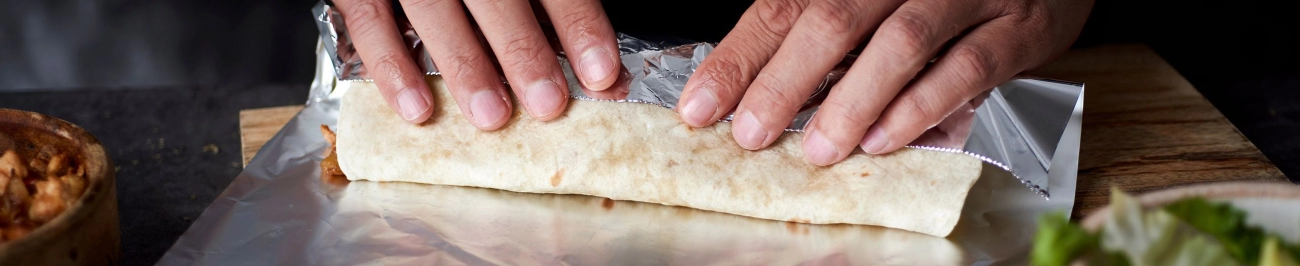
When it comes to picking the right aluminum foil for food, several important factors come into play. These impact safety, usability, and even environmental footprint. Here’s what you need to know:
Food Safety and Non-Toxicity
The foil you use should be food safe and non-toxic. Look for aluminum foil specifically labeled as food grade. This ensures no harmful chemicals or coatings will leach into your food. Using proper food safe aluminum foil types is crucial, especially when cooking acidic or spicy dishes that might react with the foil’s surface.
Heat Resistance and Cooking Method Suitability
Different cooking methods demand different foil qualities:
- Grilling: Requires thick, heavy duty foil to withstand high direct heat without tearing.
- Baking: Standard or heavy-duty foil works well for heat retention and even cooking.
- Freezing: Foil used for freezing should have strong barrier properties to prevent freezer burn.
Make sure the foil’s heat resistance matches your cooking style to avoid problems like tearing or heat damage.
Thickness and Strength Depending on Use
Aluminum foil varies in thickness, measured by gauge numbers—lower numbers mean thicker foil. Thickness affects:
- Durability: Thicker foils resist tearing better, ideal for grilling or wrapping heavy foods.
- Protection: Heavy-duty foil provides better moisture and odor barriers.
- Application: Lightweight foil works for wrapping sandwiches or covering dishes; heavier grades suit tougher tasks.
Choosing the right thickness is key for the foil to perform without waste or frustration.
Size and Dimensions for Kitchen Needs
Foil comes in rolls of different widths and lengths. Consider:
- What size sheets you typically need.
- Whether you want pre-cut sheets for quick use or large bulk rolls.
- If the foil fits your foil dispenser or storage space.
Making the right size choice helps reduce waste and improves kitchen efficiency.
Environmental Considerations
As more people focus on sustainability, recyclable aluminum foil options are becoming important. Look for:
- Foil products labeled recyclable after use.
- Foil made with eco-friendly processes or from recycled materials.
- Ways to reduce foil waste by using only what’s necessary.
Choosing environmentally friendly foil aligns with responsible cooking habits and local recycling programs.
For more on selecting foil and safe food use, you can check out safe aluminum foil for food contact and aluminum foil for wrapping sandwiches for handy tips on specific uses.
Different Uses and Which Aluminum Foil to Pick for Food
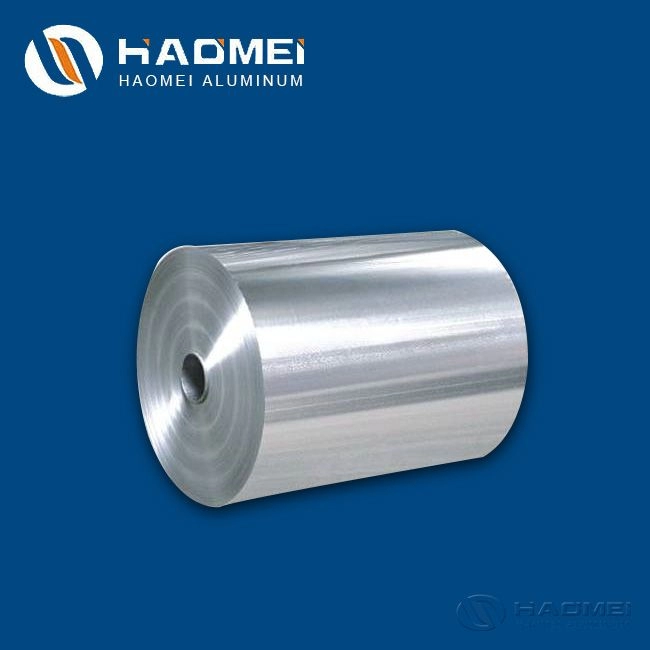
Choosing the right aluminum foil depends a lot on how you plan to use it. Here’s a quick guide to help you match the best aluminum foil for cooking and storage with your needs.
Wrapping Food for Storage
For everyday food storage, lighter weight aluminum foil works well. It’s easy to tear and wrap around leftovers or cover bowls. This type is great for:
- Wrapping sandwiches or snacks
- Covering dishes for short-term fridge storage
- Using in the microwave with caution (avoid direct contact with food)
Keep in mind, lighter foil is thinner, so it’s not the best for heavy-duty tasks but fine for daily kitchen use.
Cooking and Baking Use
When it’s time to cook or bake, go for heavy-duty aluminum foil. It’s thicker, so it holds up well under heat and prevents food juices from leaking. Heavy-duty foil is perfect for:
- Baking casseroles or roasting meats
- Lining pans to catch drips
- Wrapping food tightly for heat retention
This type offers better durability and heat resistance, which makes it the best aluminum foil for cooking longer and at higher temperatures.
Grilling
For grilling, extra strength is a must. Extra heavy-duty foil can withstand the high heat and rough handling that comes with grilling. Use this foil to:
- Line grill grates to catch flare-ups
- Wrap veggies or fish for indirect cooking
- Create sealed packets without risk of tearing
Choosing heavy-duty or extra heavy-duty foil here helps prevent holes and keeps your food safe from char and flare-ups, making it a smart pick for BBQ enthusiasts.
Freezing Food
Freezing food demands a foil that protects well against moisture and air to avoid freezer burn. Look for foils labeled with better barrier properties. These foils are:
- Slightly thicker than everyday foil for durability at low temps
- Designed to seal tightly around food
- Ideal for wrapping meat, poultry, and bulk leftovers for long-term storage
Using the right foil can extend the life of your frozen goods and maintain food quality longer.
By selecting aluminum foil based on your specific use — from light storage to heavy-duty cooking or freezing — you’ll get the best results. Always check the thickness and food grade to ensure safety and performance.
Safety Tips When Using Aluminum Foil for Food
Using aluminum foil for cooking and food storage is common, but it’s important to handle it safely to avoid any health risks or damage to your food. Here are some practical tips to keep in mind when choosing and using aluminum foil for food.
Avoid Direct Contact with Acidic or Spicy Foods
- Don’t wrap acidic or spicy foods directly in aluminum foil (like tomatoes, citrus, vinegar-based marinades, or hot sauces). The acid and spices can react with the aluminum, causing the foil to break down and potentially leach into your food.
- To prevent this, use a layer of parchment paper between the foil and the food or opt for glass or ceramic containers instead.
Follow Safe Oven Temperature Guidelines
- Aluminum foil is great for baking and roasting, but avoid using it at temperatures above 450°F. At higher temps, foil can break down or cause uneven cooking.
- When using foil in the oven, make sure it does not block oven vents or touch heating elements to prevent fire risks.
When to Avoid Using Aluminum Foil
- Never use aluminum foil in the microwave. The metal can spark and cause fires or damage your microwave.
- For microwave cooking or reheating, choose microwave-safe containers or special microwave-safe wraps.
- Avoid using aluminum foil for long-term food storage in the freezer when moisture build-up could cause foil to degrade. Use airtight plastic or silicone containers if possible.
Consider Foil Alternatives When Needed
- If you’re concerned about environmental impact or reactions with certain foods, consider these options:
- Parchment paper for baking and wrapping.
- Reusable silicone lids and wraps for storage.
- Glass or stainless steel containers for cooking and freezing.
- These alternatives often work better for delicate foods or cooking methods where aluminum foil might react or tear.
Final Quick Tips for Safe Aluminum Foil Use
- Always choose the right grade and thickness based on your cooking or storage needs.
- Use heavy-duty aluminum foil for grilling or high-heat cooking where durability matters.
- Check for food-safe aluminum foil types that meet US food safety standards.
- Remember the foil’s impact on food safety and the environment so you can pick the best option for your kitchen.
By following these safety tips and choosing the right aluminum foil type, you’ll keep your food safe and tasty while making cooking and storage easier.
How Artfullife Helps You Choose the Best Aluminum Foil for Food
When you’re shopping for aluminum foil in the United States, Artfullife stands out as a trusted supplier with a strong focus on food-safe aluminum foil types and customer needs. Here’s how Artfullife makes the choice easy and reliable:
Wide Product Range Tailored for Food Use
Artfullife offers a variety of aluminum foil grades and thicknesses, including household, heavy-duty, and commercial options. Whether you need foil for wrapping leftovers, grilling, or baking delicate foods, you’ll find the right foil to fit your kitchen tasks. This range helps ensure you always get the best aluminum foil for cooking, storage, or freezing based on your exact needs.
Commitment to Quality and Food Safety Standards
All Artfullife products meet strict food safety requirements to guarantee non-toxicity and suitability for various cooking methods. This commitment includes foil that is safe for direct food contact and engineered for durability under high heat conditions like grilling or baking. Knowing your foil adheres to these standards adds peace of mind when preparing meals.
Bulk Buying Benefits for Consumers and Businesses
Artfullife understands that many buyers want cost-effective options, especially for restaurants or local food businesses. You can take advantage of bulk buying discounts without compromising on quality. This makes it easier to stock up on reliable, food-safe aluminum foil for daily kitchen use and larger catering projects.
Personalized Customer Support and Advice
Choosing the right foil can be confusing, especially with so many options available. Artfullife offers personalized support and expert advice to help you decide which foil thickness and grade best suit your cooking habits or business needs. Whether you’re curious about foil for grilling or storing food long-term, their team is ready to guide you.
For example, if you’re looking for food wrapping options, you might want to check out insights on the best aluminum foil for wrapping leftovers. Or if baking is your focus, their expertise can direct you to the right foil for baking delicate foods.
With Artfullife, you get quality, safety, and tailored solutions all in one place—helping you pick aluminum foil that matches the way you cook and store food, whether at home or for your business.
Frequently Asked Questions About Choosing Aluminum Foil for Food
Can Aluminum Foil Be Recycled After Food Use
Yes, aluminum foil is recyclable after food use, but it needs a quick cleanup first. If the foil is heavily soiled with food, grease, or sauces, recycling centers often reject it. To maximize recycling chances:
- Rinse off any stuck-on food or grease
- Crumple the foil into a ball at least 2 inches wide to prevent smaller pieces from getting lost during processing
- Check your local recycling program guidelines, as some accept foil and others don’t
If you want to explore more about eco-friendly foil options, check out recyclable aluminum foil available for households here.
Is Heavy-Duty Foil Better for Every Cooking Task
Not necessarily. Heavy-duty aluminum foil is thicker and more durable, making it ideal for:
- Grilling at high temperatures
- Long cooking times
- Wrapping and protecting large food cuts
However, for regular kitchen use like storing leftovers or lining baking sheets, standard foil can do the job well and is easier to tear and manage. Using heavy-duty foil for everything can be wasteful and less flexible. It’s best to match foil strength and thickness to your specific cooking need.
How to Store Unopened Aluminum Foil Rolls to Maintain Quality
Proper storage keeps foil rolls fresh and easy to use. Here’s how to maintain quality:
- Store rolls in a cool, dry place away from moisture and direct sunlight
- Keep foil away from sharp objects to avoid accidental tears
- Keep rolls in their original packaging or a sealed container to prevent dust and dirt buildup
- Avoid storing near heat sources which could affect foil flexibility and thickness over time
Taking these simple steps ensures your aluminum foil stays ready for food use with minimal waste or damage.
For more tips on choosing the right kitchen foil and aluminum foil grades, you can visit Artfullife’s guide on choosing aluminum foil.